The Federal Government of Nigeria is making headlines again, this time with the grand unveiling of its so-called “comprehensive strategy” to tackle insecurity’s impact on women. The launch of Nigeria’s Third National Action Plan (NAP III) on the United Nations Security Council Resolution (UNSCR) 1325 is being touted as a “significant step” for gender equality and peace.
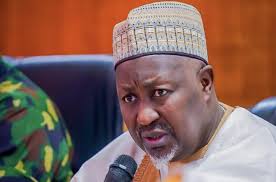
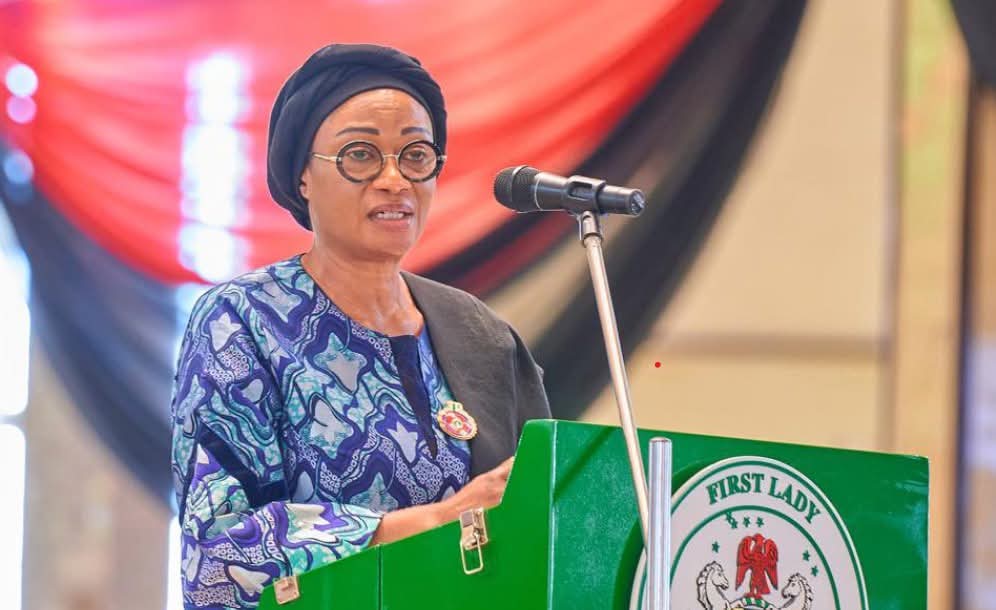
In a ceremony full of pomp in Abuja, the First Lady, Senator Oluremi Tinubu (or rather, her stand-in, the wife of the Deputy Senate President, Laila Barau), officially kicked off the NAP III, which will supposedly run from 2024 to 2028. The Ministry of Women Affairs and Social Development is leading the charge, promising a “multi-sectoral approach” to the unique challenges faced by women and girls in conflict zones.
Senator Tinubu, in a speech heavy on buzzwords, reminded everyone of the global importance of UNSCR 1325, which was adopted 25 years ago. She claimed Nigeria has been “proactive,” pointing to two previous action plans. The third plan, she said, is guided by President Bola Tinubu’s “Renewed Hope Agenda”,another government slogan that’s yet to deliver tangible results for many Nigerians.
“While we acknowledge the progress made, we must not overlook the reality still faced by women and girls in communities affected by insecurity,” the First Lady declared. She praised the “extraordinary strength” of Nigerian women, but offered little in the way of concrete solutions beyond calls for “urgency and dedication” from stakeholders and security agencies.
The First Lady also called on traditional and faith leaders to “protect women and children,” and encouraged men and boys to “partner” in building a just society. Lofty words, but with little detail on how these partnerships will actually work on the ground.
Minister of Women Affairs and Social Development, Imaan Ibrahim-Sulaiman, gave a history lesson on Nigeria’s commitment to UNSCR 1325, highlighting the first and second action plans from 2013 and 2017. The new NAP III, she said, is “firmly anchored” in the Renewed Hope Agenda. But with previous plans falling short, many are skeptical about whether this one will be any different.
Ibrahim-Sulaiman announced the creation of a National Technical Working Committee to oversee NAP III, promising “coordination, monitoring, and accountability.” The plan will be “localized” across all 36 states and the FCT through the Social Impact Intervention 774 initiative. But with Nigeria’s track record on implementation, will this committee be more than just another bureaucratic layer?
The Minister thanked a laundry list of stakeholders, including the National Assembly, UN Women, and foreign governments, for their “technical support.” She expressed hope that NAP III would “plant justice where exclusion once stood”,a nice soundbite, but will it translate into real change?
UN Women’s Peter Mancha outlined the five pillars of NAP III: prevention, participation, protection, crisis management, and partnership. He admitted that previous plans suffered from “limited awareness, weak political will, insufficient budgetary provisions, and weak coordination.” The government now claims to have learned its lesson, promising a “people-driven and inclusive” approach this time around.
NAP III has received endorsements from the President, National Assembly, and security chiefs, which officials say signals a “new era of ownership and commitment.” But Nigerians have heard these promises before. Will this plan finally deliver, or is it just another government PR exercise?