Impunity for armed groups and repeated attacks on religious leaders and places of worship are driving a growing perception among Nigerians that they are victims of persecution or even genocide, a United Nations expert has warned.
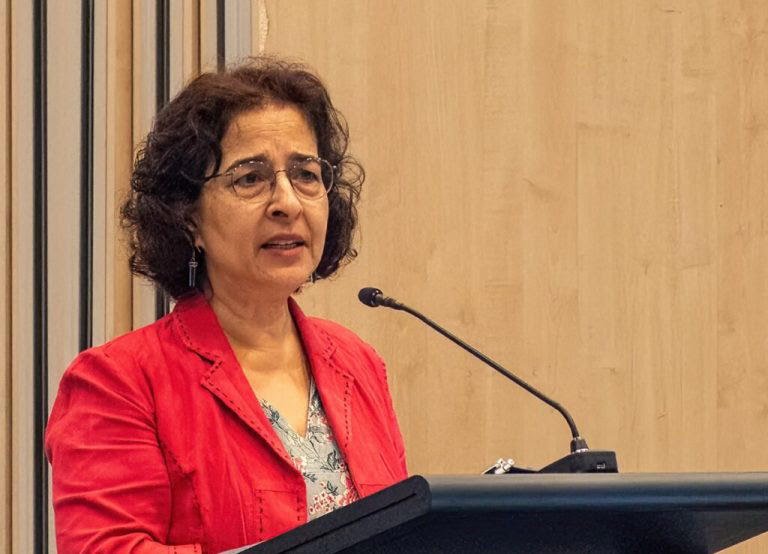
Nazila Ghanea, the UN special rapporteur on freedom of religion or belief, said that unchecked violence and weak state institutions are eroding confidence in the authorities and deepening communal mistrust across Africa’s most populous nation.
During a fact-finding mission, Ghanea and her team interviewed more than 200 people in Abuja, Kano and Jos. She reported that almost every person they met began by describing “religious crisis and insecurity,” with broader questions of religious freedom overshadowed by fear of attack.
Nigeria is split between a predominantly Muslim north and a largely Christian south, with a religiously mixed central belt. The country faces overlapping security emergencies: a jihadist insurgency in the northeast, heavily armed “bandit” groups in the northwest and centre, and deadly clashes between farmers and herders in the Middle Belt.
International activists, particularly in the United States and Europe, have framed much of this bloodshed as a campaign of anti-Christian persecution. That narrative gained prominence when former US president Donald Trump accused Nigeria of witnessing a “Christian genocide,” a claim that angered Abuja and complicated diplomatic relations.
Researchers and rights groups, however, describe a more complex picture. Christians are frequently targeted by jihadist factions, but Muslims are also killed in large numbers. In farmer-herder conflicts, religious identity often overlaps with geography and livelihood, while competition over land, climate pressures and weak governance are seen as primary drivers.
Ghanea stressed that the absence of credible investigations and prosecutions is central to the sense of existential threat. When massacres, church burnings or mosque attacks are followed by reprisals and no visible justice, victims increasingly interpret the violence as deliberate attempts to destroy their community.
She said legal experts she consulted could not categorically rule out that acts of genocide might be occurring in parts of the country. Yet her mission found no evidence of a coordinated state policy or explicit government orders aimed at annihilating any religious group.
Instead, the UN report points to a dangerous vacuum of protection and accountability, warning that unless Nigeria strengthens law enforcement, addresses root causes of conflict and protects all faith communities impartially, perceptions of genocide will continue to grow, with potentially explosive consequences.