The recent visit of Indian Prime Minister Narendra Modi to Moscow amid ongoing Russian missile strikes in Ukraine has stirred significant controversy and criticism, particularly from Ukrainian President Volodymyr Zelensky. Modi's visit to meet with Russian President Vladimir Putin has been denounced by Zelensky as a "huge disappointment and a devastating blow to peace efforts." This critique comes amidst the backdrop of a tragic attack where a Russian missile struck a children’s hospital in Kyiv, killing dozens.
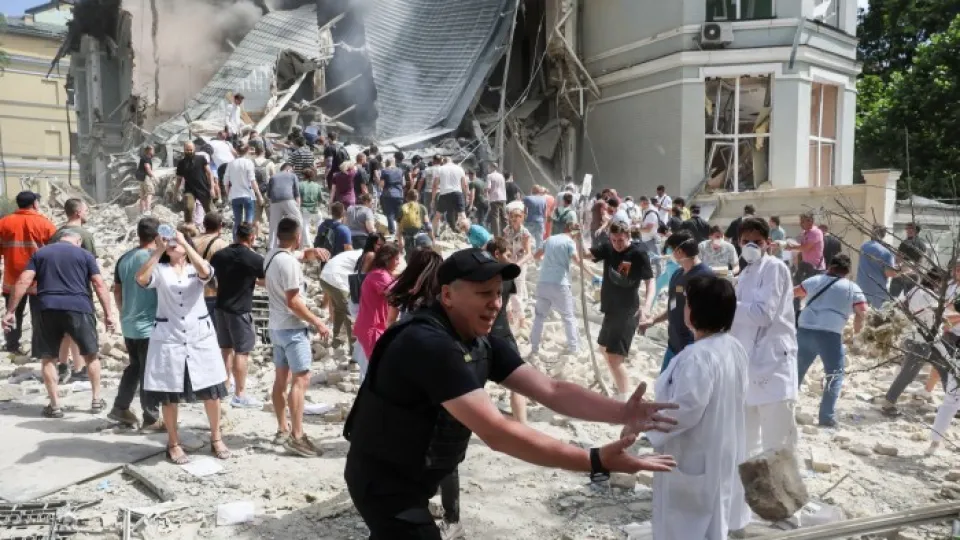
Zelensky expressed profound disappointment over Modi's friendly interactions with Putin, describing Putin as "the world’s most bloody criminal." The Ukrainian president highlighted the stark contrast between the warm exchanges in Moscow and the deadly consequences of Russian attacks on Ukrainian cities.
During Modi's visit, which included activities like visiting an exhibition on the nuclear industry and informal meetings at Putin’s residence, he did not publicly address the ongoing military actions in Ukraine. Instead, Modi focused on enhancing bilateral ties, announcing the opening of two new Indian consulates in Russia to facilitate travel and business.
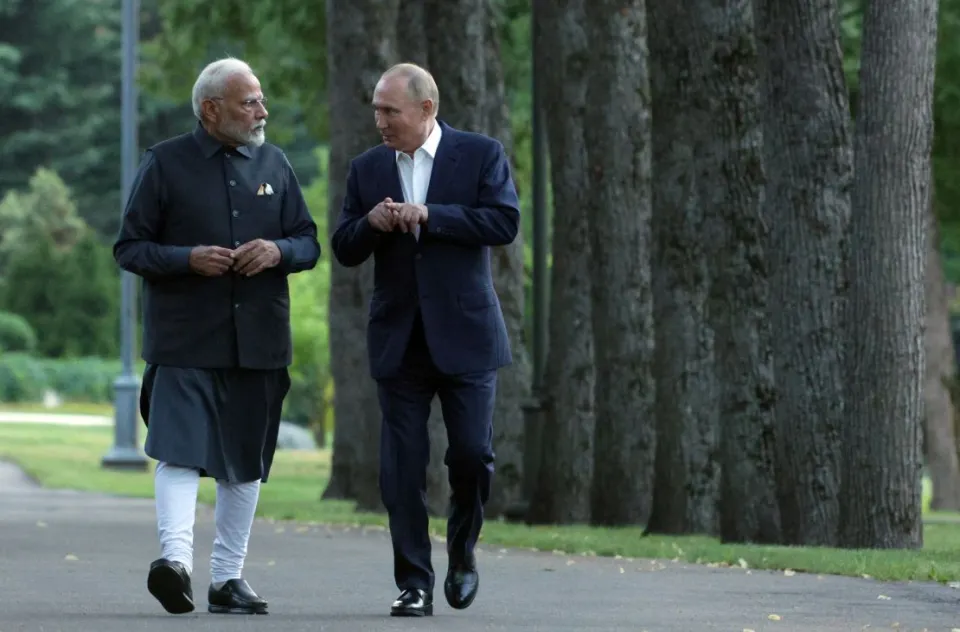
Despite global condemnation and calls for restraint, Modi’s visit underscores India's historically strong ties with Russia, rooted in defense cooperation and energy trade. India has refrained from condemning Russia's actions outright and has abstained from UN resolutions on Ukraine, while advocating for peaceful resolution and dialogue.
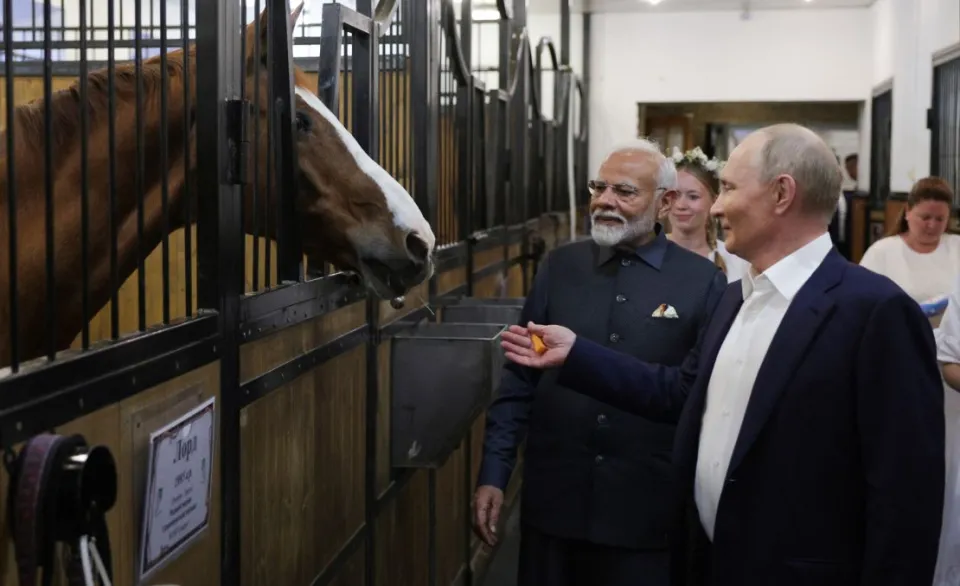
Critics, including the United States, have raised concerns over India’s relationship with Russia amidst the ongoing conflict. The U.S. has emphasized the importance of respecting Ukraine’s sovereignty and territorial integrity in engagements with Russia.
Modi’s visit to Moscow amidst the Ukrainian crisis reflects India’s delicate balancing act between maintaining strategic partnerships and navigating international pressure to take a firmer stance against Russian aggression.
Source: CNN