• What is Journalism ?
Journalism is the profession and practice of collecting, investigating, analyzing, and presenting
news and information to the public through different media platforms such as newspapers,
magazines, radio, television, and the internet. It is one of the most important parts of mass
communication because it connects events happening in society with the people who need to
know about them.
Journalism focuses on facts, accuracy, fairness, and public interest. Journalists gather
information through interviews, research, observation, press conferences, and official
documents. They then verify the information to make sure it is true before sharing it with the
public.
●
Meaning Of Journalism?
The word journalism comes from the word “journal,
” which means a daily record of events.
Journalism therefore involves reporting daily events and important happenings in society.
It is not just about reporting news; it also includes:
Explaining complex issues
Investigating corruption or injustice
Interpreting events
Providing analysis and opinions (in editorials).
Types of Journalism
There are different forms of journalism, including:
1. Print Journalism
News reported through newspapers and magazines.
2. Broadcast Journalism
News delivered through radio and television.
3. Online or Digital Journalism
News shared through websites, blogs, and social media platforms.
4. Investigative Journalism
In-depth reporting that uncovers hidden truths, corruption, or wrongdoing.
5. Photojournalism
Telling stories through photographs.
6. Sports Journalism
Reporting on sports events and athletes.
7. Entertainment Journalism
Reporting on celebrities, movies, music, and fashion.
PHOTO JOURNALISM
1. Definition?
Photojournalism is a specialized branch of journalism that involves capturing and presenting
real-life events through photographs for the purpose of informing the public. It is a visual form of
storytelling that combines the principles of journalism with the art of photography to document
social, political, cultural, and environmental occurrences accurately and ethically.
Photojournalists aim to provide truthful, timely, and engaging images that not only report events
but also evoke understanding, awareness, and sometimes emotional responses from the
audience. These photographs are widely used in newspapers, magazines, online media, and
broadcast platforms to complement written news and to communicate stories in a way that
words alone may not fully achieve.
●
Importance of Photojournalism in Mass Communication
1. Informs the Public Quickly: Photojournalism allows people to see events as
they happen, making news more immediate and understandable. A single image
can convey what might take paragraphs of text to explain.
2. Creates Emotional Impact: Photographs can evoke feelings such as empathy,
shock, or inspiration, helping audiences connect emotionally with the story.
3. Provides Credibility and Evidence: Photos serve as visual proof of events,
adding authenticity and reliability to news reports.
4. Enhances Storytelling: Images complement written news by highlighting
important details, showing context, and illustrating events in a more engaging
way.
5. Raises Awareness and Promotes Social Change: Powerful photographs can
draw attention to social issues, disasters, or injustices, encouraging public action and policy responses.
Examples Of Photo Journalism
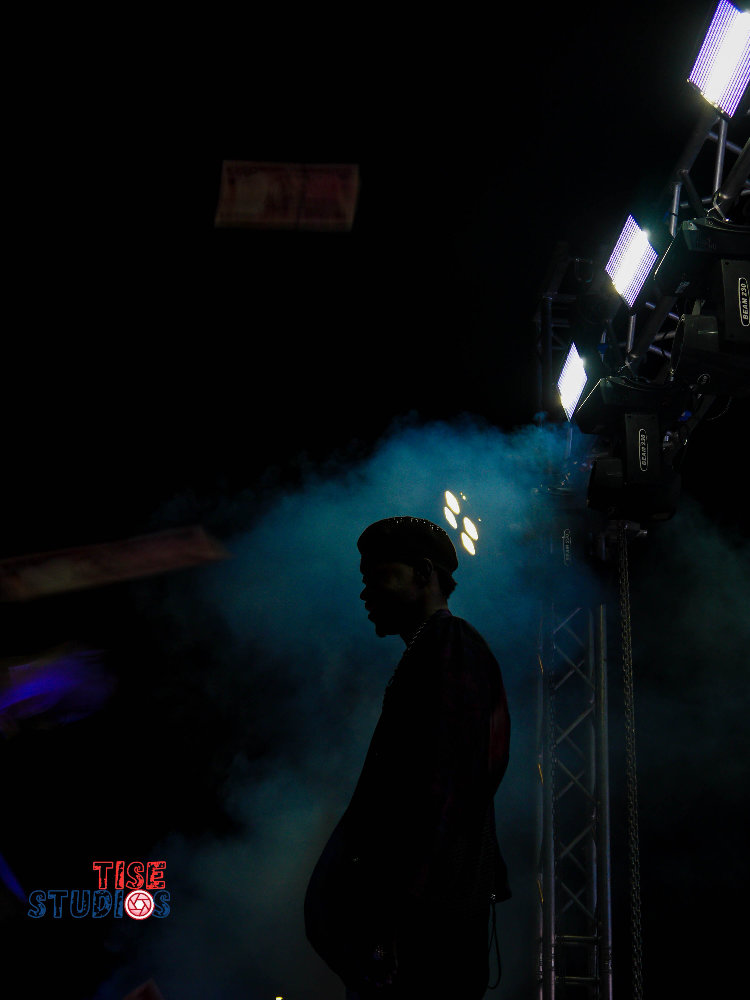
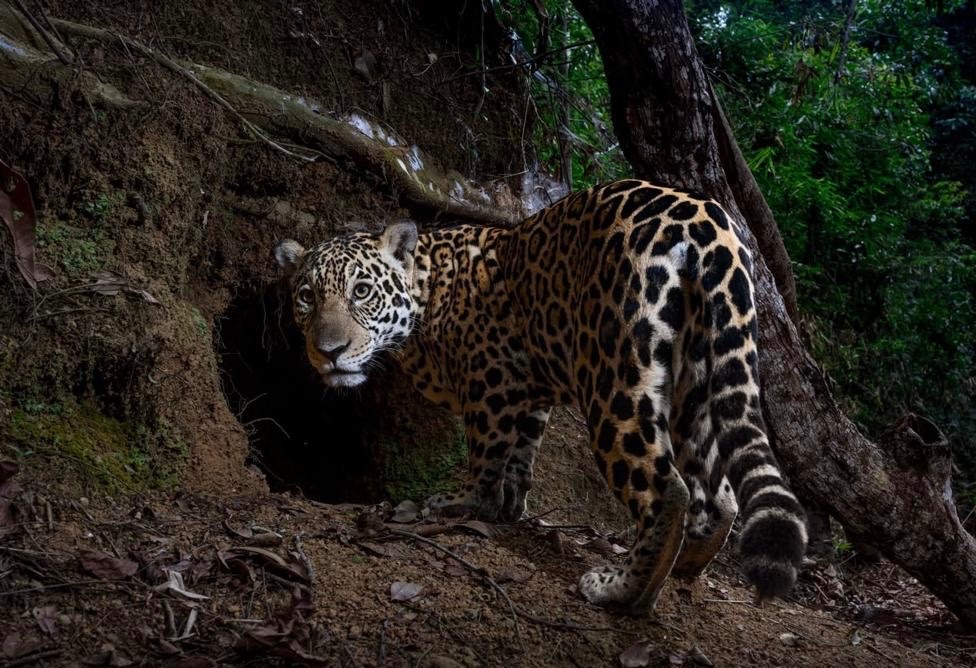
To better understand photojournalism, the following photographs serve as strong examples of
how images can tell real-life stories and inform the public.
- Jaguar in the rainforest