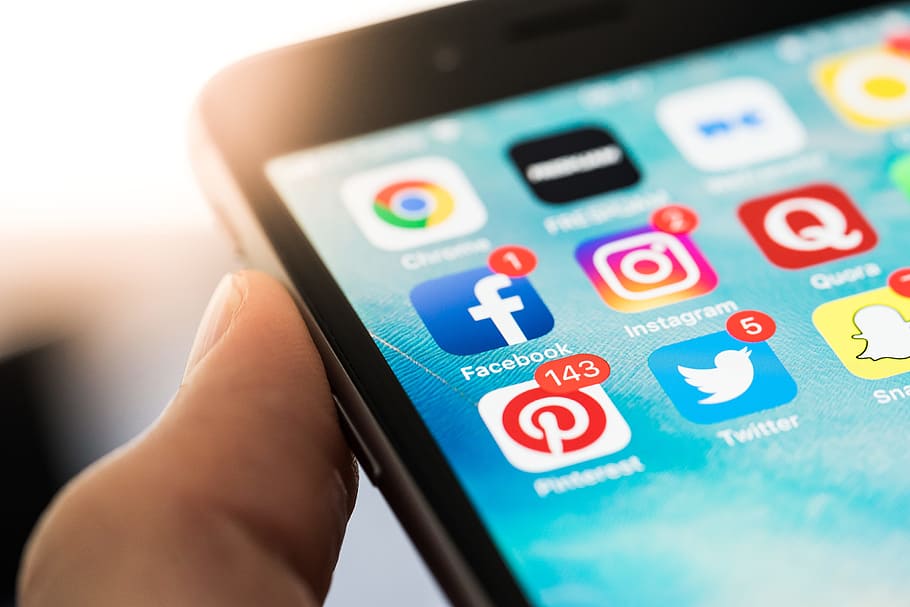
The quiet influence of smartphones in our everyday lives.
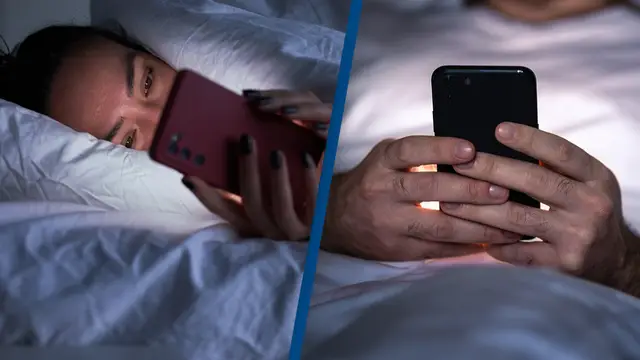
There was a time when phones were mainly used to make calls and send text messages. Today, smartphones have become something much bigger than that. They have quietly become one of the most important parts of our daily lives. For many people, the first thing they reach for in the morning is their phone, and often the last thing they check before going to bed is also their phone.
Science and technology have transformed the smartphone into a small but extremely powerful device that fits easily into our pockets. With just one device, we can communicate with people across the world, watch videos, listen to music, check the news, take photos, and even complete school or work tasks. Many students now rely on their phones to search for information online, communicate with classmates, and keep up with academic updates.
One of the most interesting things about smartphones is how they seem to understand what we like. For example, after searching for a particular topic online or watching a certain type of video, similar content often starts appearing on our social media feeds or suggested pages. Music apps recommend songs based on what we listen to, and shopping apps suggest products that match our interests. This happens because smartphones and online platforms use systems that study our online behaviour and make predictions about what we might enjoy.
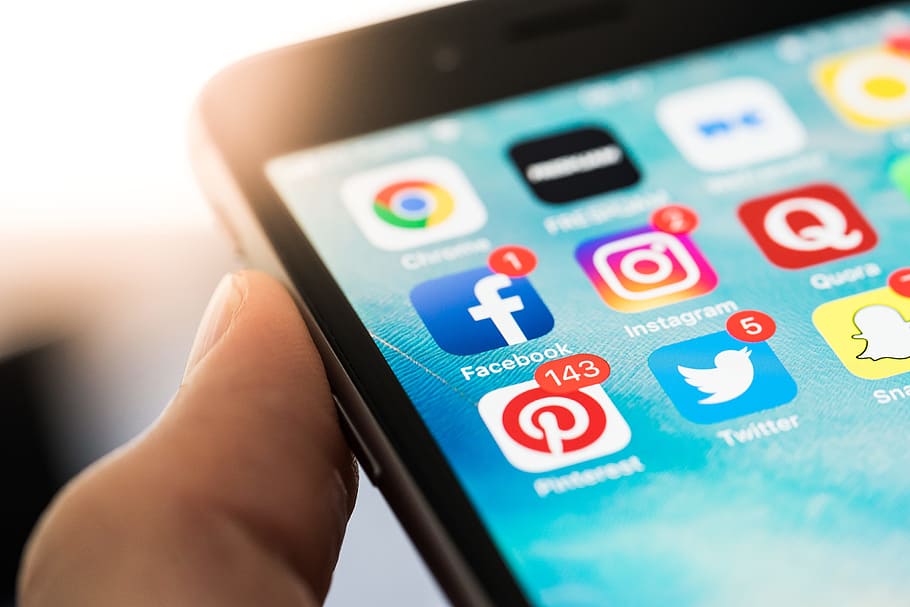
Over time, it can begin to feel as if our phones know us personally. They remember the places we visit through location services, the photos we take, the conversations we have, and the kind of content we interact with the most. While this can make technology more convenient and personalized, it also raises important questions about privacy and how much of our personal information is stored by these digital systems.
Another noticeable effect of smartphones is how they have changed the way people communicate and interact with each other. Social media platforms, messaging apps, and video calls have made it easier than ever for people to stay connected regardless of distance. At the same time, many people now spend a large amount of time on their phones, sometimes even when they are surrounded by others in real life.
Despite these concerns, smartphones remain one of the most influential technological inventions of modern times. They have changed how we communicate, how we access information, and even how we entertain ourselves. Businesses, students, journalists, and content creators all use smartphones as important tools in their daily activities.
In the end, smartphones are more than just devices we carry around. They have become a reflection of our habits, interests, and routines. As science and technology continue to advance, smartphones will likely become even smarter and more integrated into our lives, shaping the way we live and interact with the world around us.