Iran has sharply rejected fresh accusations from Washington that Tehran is developing missiles capable of striking the United States, branding the claims “big lies” and part of a broader campaign of disinformation.
Foreign ministry spokesman Esmaeil Baqaei, writing on X, dismissed recent US statements on Iran’s military and internal unrest as fabrications. “Whatever they’re alleging regarding Iran’s nuclear programme, Iran’s ballistic missiles, and the number of casualties during January’s unrest, is simply the repetition of ‘big lies’,” he said.
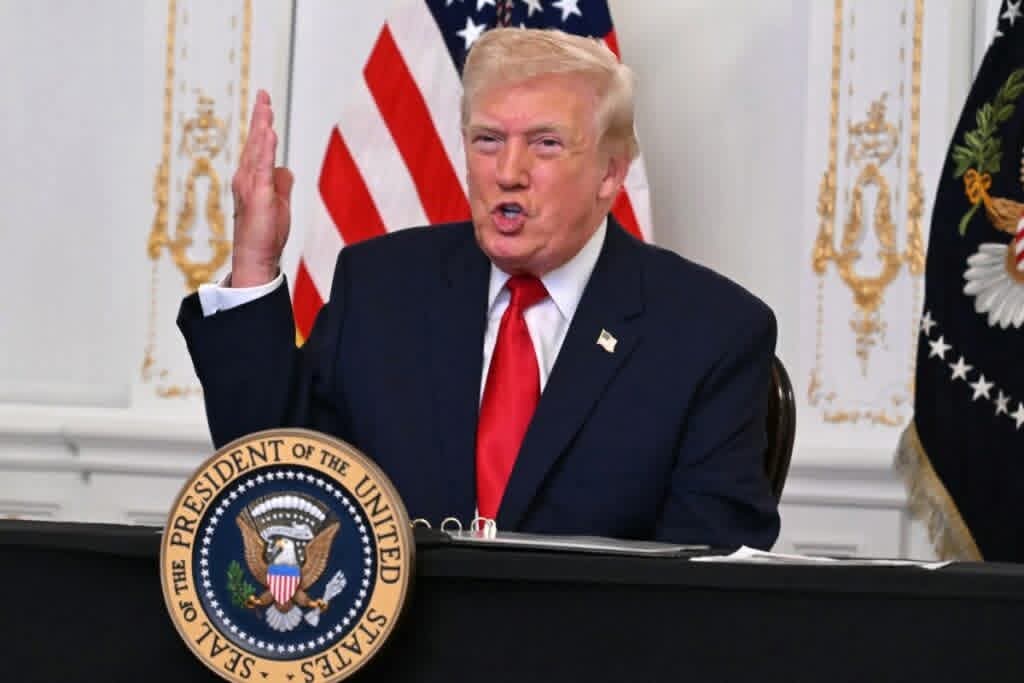
Baqaei’s comments followed remarks by US President Donald Trump, who asserted that Iran was seeking long-range missiles that could reach American territory. The allegation adds a new layer of tension to an already fraught relationship, long dominated by disputes over Iran’s nuclear activities and regional influence.
Tehran insists its missile programme is defensive and conventional, arguing that it is designed to deter regional adversaries rather than threaten the US mainland. In a separate interview with Al Jazeera, Iran’s Foreign Minister Abbas Araghchi said the country lacked the capability to hit the United States directly but warned that American bases across the Middle East would be targeted if Washington launched a military strike.
Trump has repeatedly vowed that Iran will “never” be allowed to obtain a nuclear weapon, accusing its leaders of secretly pursuing “sinister nuclear ambitions.” Iran counters that its nuclear work is strictly for civilian energy and medical purposes, pointing to inspections by international monitors as evidence that it is not diverting nuclear material for weapons.
The war of words has also extended to the deadly unrest that swept Iran in recent months. Trump claimed Iranian authorities killed 32,000 people during protests that erupted in December and surged in early January. Iranian officials acknowledge more than 3,000 deaths but blame what they call “terrorist acts” allegedly backed by the United States and Israel.
Independent verification of the toll remains difficult. The US-based Human Rights Activists News Agency (HRANA) has documented over 7,000 deaths and warns the true figure could be significantly higher, citing restricted access, internet shutdowns, and intimidation of witnesses.
With both sides trading accusations over missiles, nuclear intentions, and human rights, diplomatic channels remain largely frozen, and the risk of miscalculation continues to shadow the broader Middle East.