For many years, getting a university degree was seen as the key to securing a good job. You went to school, earned your certificate, applied for jobs, and expected opportunities to come. But the world of work is changing, and a degree alone may no longer be enough.
Today, employers are increasingly looking for people who can do more than just present a certificate. They want practical skills, adaptability, creativity, communication, problem-solving abilities, and the willingness to learn.
This is why young people need to start building skills alongside their academic qualifications.
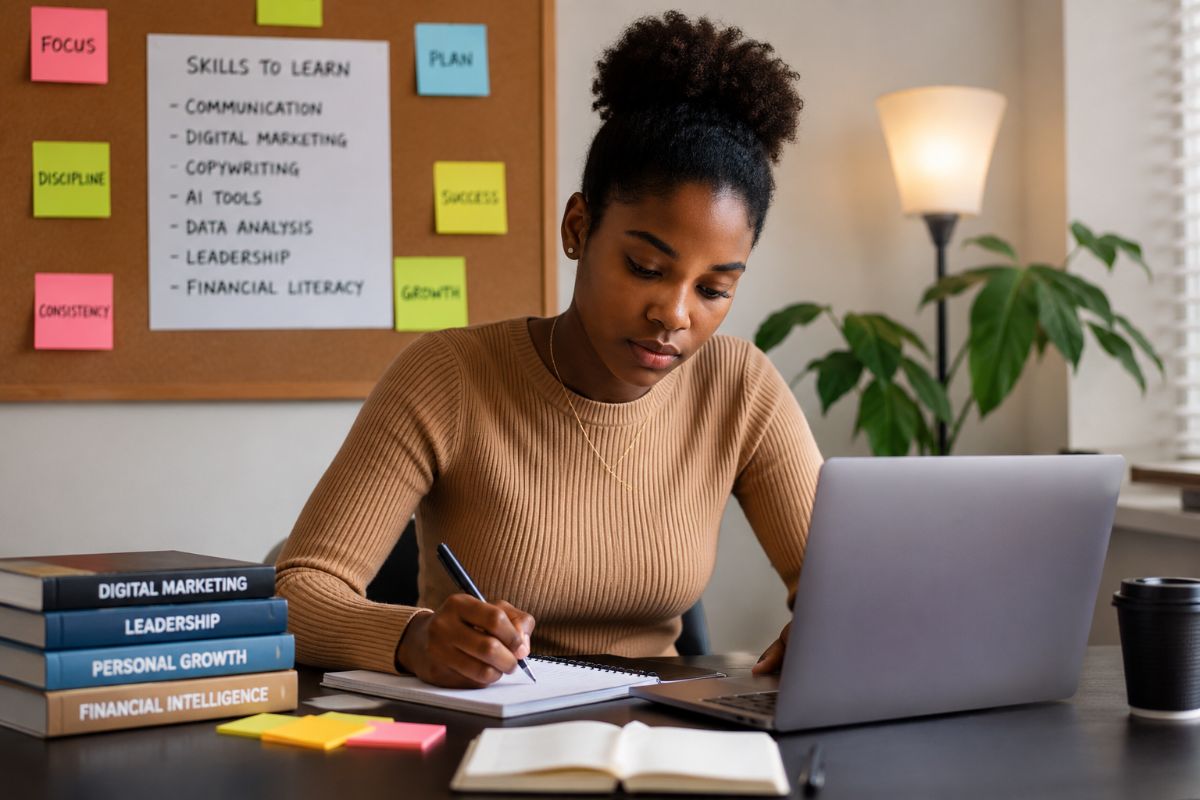
Digital skills are becoming increasingly important. Learning how to use tools for content creation, data analysis, graphic design, digital marketing, artificial intelligence, or basic technology can give you an advantage.
Communication skills are equally valuable. Knowing how to express your ideas clearly, write professionally, speak confidently, and work with different people can open doors in almost every career.
AI literacy is also becoming essential. You don't necessarily need to become a programmer, but understanding how to use AI tools responsibly and effectively can help you work faster and remain competitive.
Then there are soft skills—teamwork, emotional intelligence, critical thinking, time management, and adaptability. These are skills that certificates often cannot prove but employers notice.
Your degree still matters. It can open the door, but your skills may determine how far you go after entering.
The goal isn't to abandon your degree. It's to make sure your degree is supported by skills that are relevant to the world you want to work in.
So, what skill are you currently learning that you believe will help you stand out in the future?