BY OYETOSO OLUWANIKAYIN ENIOLA / 300 LEVEL MASS COMMUNICATION UNILAG
HOW SCIENCE AND TECHNOLOGY HAVE AFFECTED SCREEN TIME
The world is evolving very fast, and science and technology are evolving along with it. We are now in the digital age, where screen time has become a regular part of our daily lives. Whether it’s our phones, laptops, tablets, or TVs, technology plays a huge role in how we study, work, and relax. Thanks to science, we’re learning more about how all this screen time impacts our brain and mental health.
HOW TECHNOLOGY HAS INCREASED SCREEN TIME
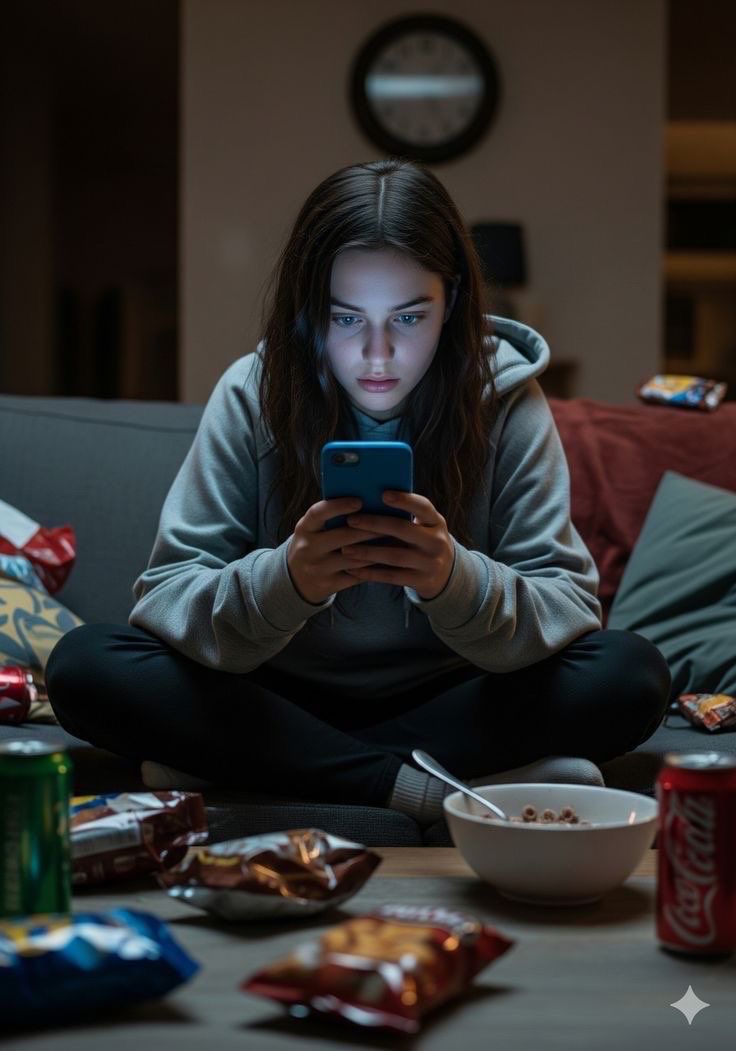
Technology has transformed the way we live, making our devices an essential part of daily life. Our smartphones, keep us constantly connected with the world at large, allowing us to communicate, check updates, and access information instantly which helps us to be ahead. While this connectivity is convenient, it also makes it harder to disconnect, because it is addictive ,often leading to extended periods of screen use.
Social media platforms, video games, and streaming platforms are designed to keep us active by utilizing persuasive design, algorithmic personalization, and psychological tactics to create a "hook" effect and keep us engaged for longer period. While these platforms are entertaining, this engagement can sometimes become excessive and interfere with other responsibilities.
Online learning and remote work have created a massive increase in the hours in front of screens. The shift toward digital classrooms and virtual offices means that much of our studying and working now happens online. Online education promotes a student-centred approach, whereby students are expected to actively participate in the learning process. While these tools make learning and productivity more flexible, they also increase daily screen exposure, which can contribute to fatigue and mental strain if not managed properly.
HOW TECHNOLOGY HELPS US MANAGE SCREEN TIME
While technology has contributed to longer screen hours , it also provides effective tools to help us manage our time on screen and use our devices more intentionally and effectively . Screen time tracking apps monitor device usage, set limits, and improve digital habits for individuals and families. Key examples include built-in tools like Apple Screen Time and Google Digital Wellbeing, along with third-party apps like Qustodio, Freedom, StayFree, and Forest.They also provide insight into how we spend our digital hours. By monitoring usage, these tools help users identify which apps consume the most time and when they tend to overuse devices, making it easier to adjust habits.
Some applications have introduced the AI-powered features can suggest breaks, limit app usage, and encourage healthier routines for the users. For example, some apps now recommend taking short pauses after a certain period of continuous use or temporarily restrict access to distracting applications. These features help users develop more intentional screen habits without feeling forced to disconnect completely.
Night modes and blue-light filters reduce eye strain and support better sleep. Exposure to blue light from screens can interfere with sleep hormones, making it harder to fall asleep or get restful sleep. By adjusting screen settings, technology can help mitigate these negative effects, protecting both eye health and overall well-being.
SCREEN TIME IN EDUCATION AND LIFESTYLE
Screen time can be constructive when used intentionally, particularly in learning and personal growth. Interactive learning apps make studying more engaging and effective. Features such as quizzes, gamified lessons, and multimedia content help students absorb information actively, improving retention compared to traditional methods.
Educational platforms that adapt to individual learning speeds further enhance the learning experience. AI-driven platforms can assess strengths and weaknesses, delivering personalized content that matches each learner’s pace and style. This targeted approach reduces frustration and encourages more productive study sessions.
Productivity tools help organize tasks, reduce digital overwhelm, and improve focus. From task managers to digital calendars, these tools help students and professionals manage their workload efficiently, prevent multitasking overload, and create a structured approach to screen use. This turns digital devices from distractions into effective productivity aids.
FINDING BALANCE THROUGH SCIENCE AND TECHNOLOGY
Experts recommend moderation rather than total avoidance. Scientific research shows that completely avoiding screens is neither practical nor necessary. Instead, adopting mindful usage habits, such as scheduling screen-free periods and prioritizing essential tasks, can help maintain focus and mental health.
Emerging technologies increasingly aim to support mental wellness and attention. Developers are designing apps and features that encourage mindfulness, reduce digital distractions, and promote well-being. By integrating these insights, users can cultivate a healthy relationship with their devices, ensuring technology supports growth rather than detracts from it.
Ultimately, Screen time is an integral part of modern life, but it can be both beneficial and challenging depending on how we use it. Science helpus understand its impact on the brain, while technology provides the tools to mang effectively. By combining research- based strategies with intentional device use, screen time can be transformed from a source of distractions into a tool for learning, productivity and personal growth.