Scientists Develop Tiny Microrobots for Safer Cancer Treatment
By Oluyede Imisioluwa
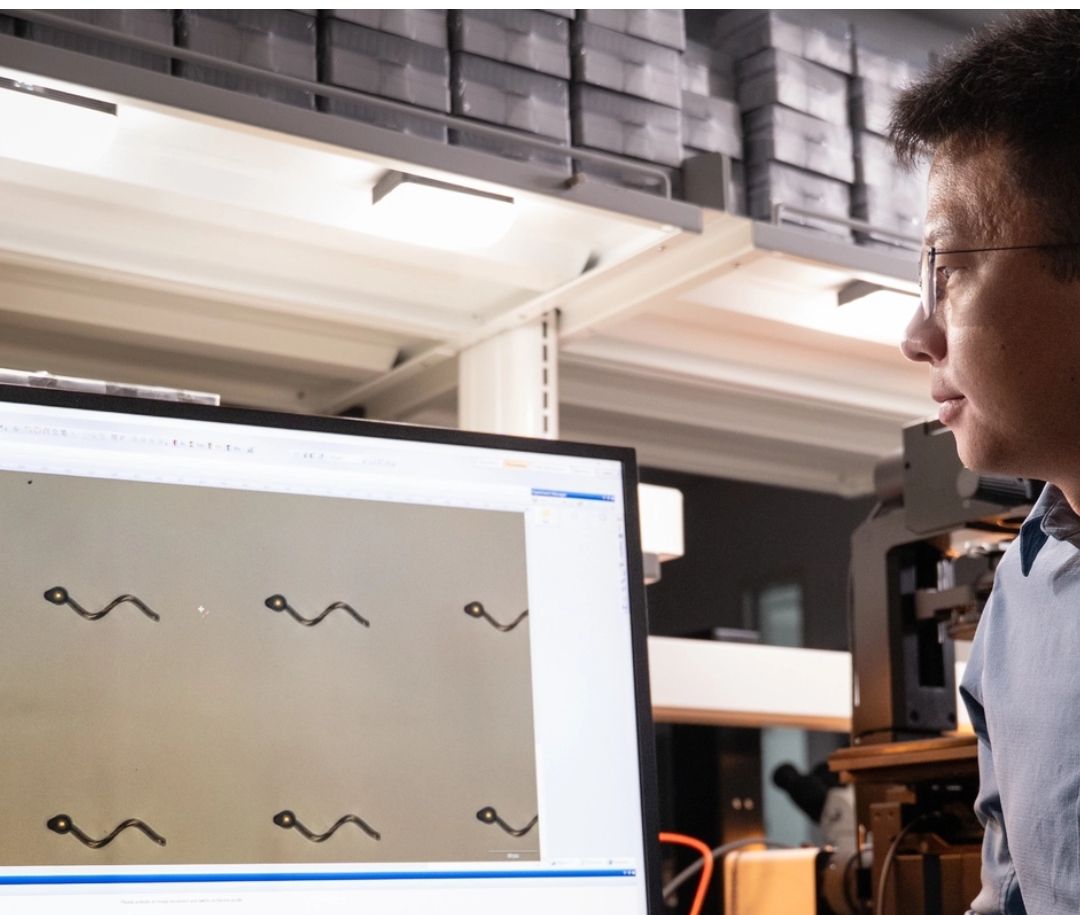
Scientists have developed microscopic robots capable of helping doctors treat cancer more safely and precisely, marking a significant advancement in medical technology and modern healthcare.
Researchers from Michigan State University and Henry Ford Health recently unveiled tiny microrobots designed to travel through the human body and deliver targeted treatment directly to cancer cells. The technology aims to improve the precision of medical procedures while reducing damage to healthy tissues during treatment.
According to the research team, these microrobots are extremely small devices that can move through narrow biological spaces and perform delicate medical tasks. Scientists believe the innovation could transform how doctors perform procedures such as tumor treatment, targeted drug delivery, and minimally invasive surgeries.
Traditional cancer treatments such as chemotherapy often affect both healthy and cancerous cells, which can lead to severe side effects for patients. However, microrobotic systems are being designed to focus treatment directly on diseased areas, potentially improving recovery rates and reducing complications.
The breakthrough reflects a broader global trend in medical science where advanced technologies such as robotics, artificial intelligence, and nanotechnology are increasingly being integrated into healthcare systems.
In addition to developments in medical robotics, scientists are also working on other transformative technologies. Researchers are exploring quantum materials that could dramatically reduce the energy needed for computing systems, which may reshape future digital infrastructure.
Meanwhile, governments and technology companies around the world are investing heavily in artificial intelligence, robotics, and advanced computing as part of long-term national development strategies. Some countries are planning to integrate AI across major sectors of their economies within the next decade.
Experts say these emerging technologies are likely to redefine scientific research, healthcare delivery, and industrial innovation in the coming years. As research continues, microrobotics and other advanced systems could open the door to a new era of precision medicine and technological progress.