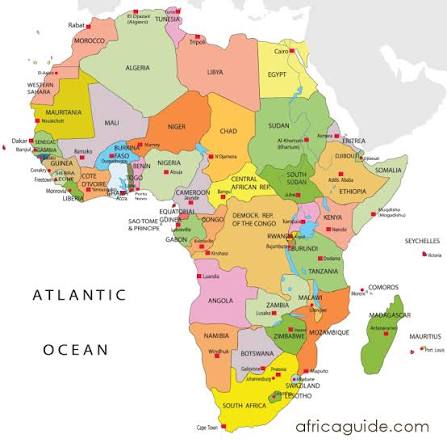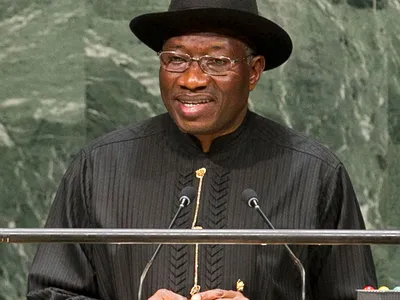
Former President Goodluck Jonathan has made a noteworthy assertion regarding the recent military takeover in Guinea-Bissau, characterizing it not as a conventional coup but as what he termed a “ceremonial coup.” This perspective emerged after gunfire was reported near key government institutions in Bissau, where soldiers claimed to have gained “total control” of the nation. President Umaro Sissoco Embaló subsequently reported his arrest at the presidential palace, triggering widespread panic.
In light of these developments, the military enforced a curfew, suspended the electoral process, closed borders, and detained various senior officials, including high-ranking members of the military and the interior ministry. The Federal Government of Nigeria responded by condemning these military actions, describing them as a “serious threat to democracy and regional stability.” Jonathan, who was in Guinea-Bissau leading the West African Elders Forum Election Observation Mission, was evacuated safely by a special flight along with his delegation members.
In a recent interview with Symfoni, which was made available on YouTube, Jonathan expressed his gratitude to Nigerians for their concern during the crisis. He addressed the situation by stating, “I wouldn’t call it a coup. It was not a coup. I would just say, for want of a better word, maybe it was a ceremonial coup.” He highlighted the unusual nature of the incident, noting that President Embaló had publicly announced his own arrest before any military declaration was made.
Jonathan raised questions regarding the irregularities of the incident, comparing it to other military takeovers in West Africa. He stated, “I’m a Nigerian close to 70, and I know how they keep heads of state when a coup takes place.” He referenced his previous experiences mediating in Mali during a military coup, emphasizing that typically, the military does not permit a deposed president to address the media post-coup.
Furthermore, Jonathan urged the Economic Community of West African States (ECOWAS) and the African Union to ensure the prompt announcement of election results, asserting that the military should not interfere with the democratic process. He expressed concern over the situation, stating, “They have the results because AU and ECOWAS officials were in all the regions when the results were collated.”
Drawing parallels to his electoral oversight experience in Côte d'Ivoire, Jonathan reiterated the importance of respecting electoral outcomes. He recounted the 2010 elections in Côte d’Ivoire, where he witnessed the procedures that ultimately led to Alassane Ouattara being declared the winner, despite the incumbent president Laurent Gbagbo's resistance. Jonathan emphasized that international observers confirmed the results, reinforcing the necessity of adherence to democratic principles.
In conclusion, the ongoing situation in Guinea-Bissau is being closely monitored by the international community, which is advocating for a return to democratic governance and stability in the region. Jonathan’s commentary highlights the complexities of military interventions and the importance of upholding democratic processes in West Africa.