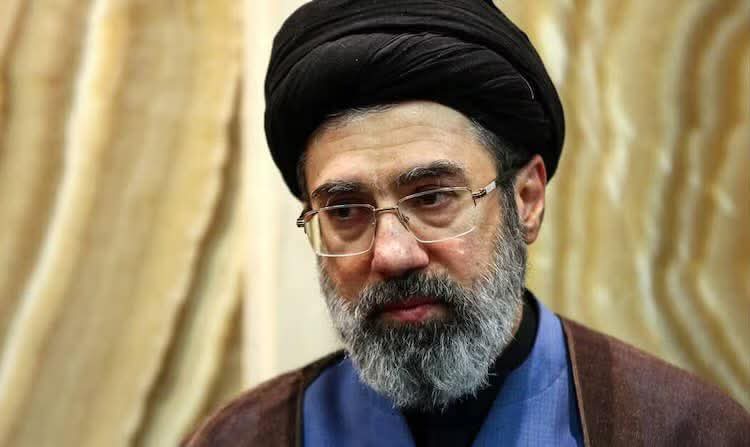
Iran’s powerful judiciary has ordered courts across the country to fast-track and enforce death sentences against people accused of collaborating with the United States and Israel, deepening fears of an intensified internal crackdown amid regional war.
Judiciary chief Gholam Hossein Mohseni Ejei, a hardline cleric and former intelligence official, instructed judges that there must be “no delay or leniency” in carrying out final verdicts against those deemed connected to what Tehran calls “aggressor enemies.” His remarks, reported by Iran’s semi-official Tasnim news agency, explicitly targeted suspects accused of aiding Israel and the US during what authorities describe as wartime and unrest.
Ejei said it was “necessary to accelerate the review and resolution” of cases involving individuals accused of threatening public security, signaling that security-related prosecutions should be prioritized and processed at speed. Human rights groups have long criticized Iran’s revolutionary courts for opaque proceedings, coerced confessions and the extensive use of capital punishment in political and security cases.
Iranian security forces have recently launched sweeping raids across multiple provinces, detaining hundreds of people on suspicion of cooperating with foreign intelligence services, particularly Israel’s Mossad and US agencies, according to local media aligned with the state. Officials have framed the arrests as part of a broader effort to neutralize espionage networks and sabotage plots inside the country.
The clampdown comes in the wake of a dramatic escalation in the Middle East. Israel and the United States carried out coordinated strikes on Iranian territory, killing Iran’s long-serving supreme leader, Ayatollah Ali Khamenei, and plunging the region into open conflict. The succession of his son, Mojtaba Khamenei, as the new supreme leader has coincided with a more openly aggressive security posture at home and abroad.
Tehran has responded to the strikes by launching missiles and drone attacks on Israeli targets and US interests across the region, framing its actions as self-defense and retaliation for what it calls acts of war. Inside Iran, authorities have portrayed the internal crackdown as a necessary front in the same conflict, casting alleged collaborators as extensions of foreign militaries and intelligence services.
Rights advocates warn that the judiciary’s directive to hasten executions could lead to a surge in politically tinged death sentences, further shrinking space for dissent as Iran navigates a volatile transition of power and a widening regional war.

.jpeg?alt=media&token=96b327a5-8e62-4ed1-a078-308aff149ed1)