As the five-day ultimatum issued by the organised labour for the federal government to propose an acceptable minimum wage nears expiration, negotiations remain inconclusive. On Thursday, during a meeting of the tripartite committee, government officials failed to present a definitive proposal, leaving the discussions in limbo.
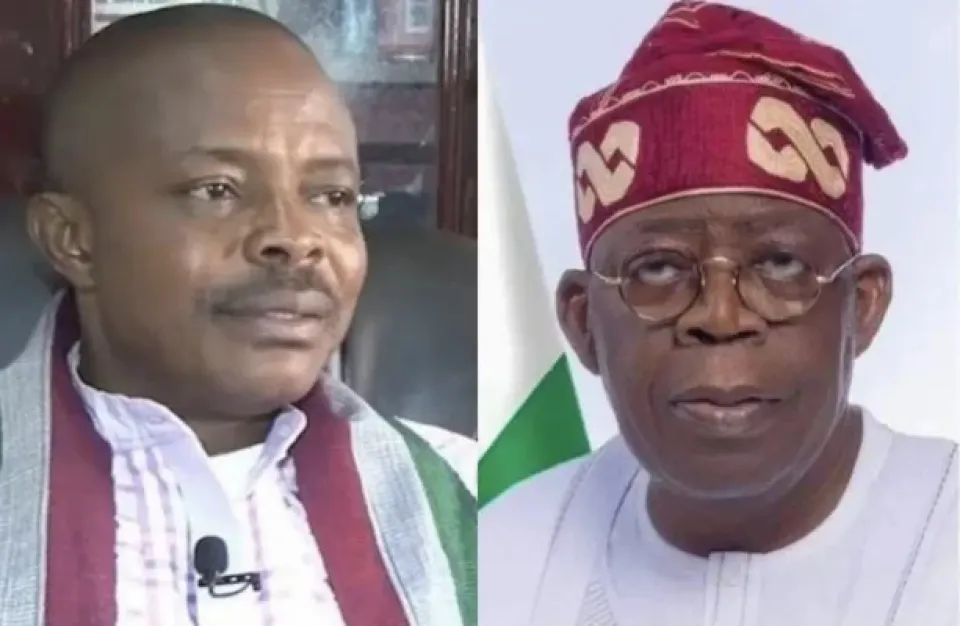
Joe Ajaero, President of the Nigeria Labour Congress (NLC), expressed his disappointment to journalists, revealing that the federal government had not yet submitted a report or new proposal to the committee. “The committee is still working, so, when they finish, Nigerians will get the report,” Ajaero stated.
Ajaero emphasized that the federal government team had not submitted its template to the committee of the whole house, indicating a delay in the process. He expressed hope that the government team would present their proposal to the whole house on Friday for deliberation. When asked about the likelihood of resolving the issues by Friday, Ajaero responded, “That is a wish to all of us, that is our prayer.”
Dismissing speculations that the government had offered N105,000 as the new minimum wage, Ajaero clarified that no such figure had been officially or unofficially communicated to the NLC. “We are still at our position before now and I know that government, having not presented their own position, they are still at where they were before now,” he said.
This stance was corroborated by Bayo Onanuga, the Special Adviser to the President on Communication and Strategy, who urged Nigerians to disregard the speculative figures. Onanuga reiterated that no new minimum wage figure had been finalized.
On Thursday, Wale Edun, the Minister of Finance, alongside Atiku Bagudu, the Minister of Budget and National Planning, presented a report to President Bola Tinubu detailing the cost implications of the proposed new minimum wage. The ministers, however, declined to disclose the figures, with Edun urging Nigerians to “expect a good figure”.
Following their meeting at the Presidential Villa, the government team proceeded to the venue of the tripartite committee meeting, where they were expected to unveil the new wage figure. President Tinubu had earlier given Edun a 48-hour ultimatum to outline the cost implications of the new minimum wage.
The organised labour had previously called off its indefinite nationwide strike to allow the government time to propose a figure acceptable to all parties. The strike was initially declared to press for a minimum wage that would mitigate the economic hardship caused by the removal of fuel subsidies, which had driven the annual inflation rate to 33.69%, the highest in nearly three decades. Food inflation had reached 40.53% in April, with prices for staples like rice and flour doubling, and transport costs soaring.
Currently, Nigerian workers earn a minimum wage of N30,000 per month, equivalent to approximately $23, making them among the lowest-paid in the world. Labour had proposed a minimum wage of N615,000 per month, later reducing it to N494,000 during negotiations. The federal government initially offered N54,000, which was rejected by labour, before increasing the figure to N57,000, and finally to N60,000.
Labour described the government’s offers as insufficient, arguing that they did not keep pace with inflation and the declining value of the naira. “The disposition of the Federal Government to the national minimum wage negotiation smacks of a class war indicative of the intents of a privileged few to wilfully pauperize and enslave the mass of our people,” labour representatives stated.
Auwal Musa (Rafsanjani), Executive Director of the Civil Society Legislative Advocacy Centre, emphasized the necessity for the federal government to approve a minimum wage that alleviates the suffering of Nigerian workers. He praised labour for demonstrating goodwill and maturity in the ongoing negotiations, noting that they had relaxed the strike to give the government time to reflect.
Musa also called on the private sector to pay a living wage, arguing that despite annual profit declarations, many companies still claim they cannot afford higher salaries. “These companies declare huge profits every year, yet they say they cannot pay good salaries. That is not fair. We appeal to them to consider the plight of the masses,” he said. He urged the government to reduce waste and corruption and to demonstrate goodwill, asserting that a good wage is within the government's capacity to provide.


