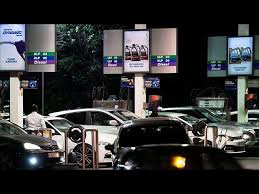
South Africans flocked to fuel stations in a frantic bid to fill their tanks ahead of record fuel price hikes linked to the Iran war’s disruption of global oil markets. Long queues snaked from forecourts across major cities as motorists tried to beat the midnight deadline for the latest increases.
The rush came despite an emergency intervention by Finance Minister Enoch Godongwana, who announced a temporary 3 rand per liter reduction in the fuel levy to soften the blow. Even with that relief, diesel prices are set to jump by 7.51 rand per liter, the steepest increase on record, while gasoline will rise by 3.06 rand per liter, sending a shock through an already strained economy.
By evening, several stations in eastern Johannesburg had run dry, turning motorists away after exhausting both diesel and gasoline supplies. Others could offer only petrol, forcing diesel drivers to move from station to station in search of fuel. Where supplies remained, lines of cars stretched into the streets as attendants struggled to cope with demand.
Godongwana has linked the spike directly to turmoil in the Middle East, saying the Iran conflict has intensified risks to global energy markets and driven up import costs for South Africa, which relies heavily on refined fuel shipments. The temporary levy cut, in place for a month, is expected to cost the Treasury about 6 billion rand in lost revenue.
Operational and logistical bottlenecks have compounded the crisis. Delays in fuel distribution have left dozens of stations dry, prompting rationing at others. Some outlets have imposed limits of 30 to 50 liters per vehicle in an effort to stretch dwindling stocks.
Economic researcher Theuns Du Buisson of the Solidarity Research Institute warned that the record diesel hike, in particular, would ripple through the economy. Higher transport and logistics costs are likely to feed into food prices and other essentials, pushing inflation higher and eroding household purchasing power.
Those most exposed are low-income South Africans, who depend on public transport such as minibus taxis and buses. Operators are expected either to raise fares or cut services as fuel costs soar. In Pretoria, the municipal bus service was already disrupted after depots reported shortages, leaving commuters stranded and underscoring how quickly the fuel shock is translating into a broader social and economic squeeze.