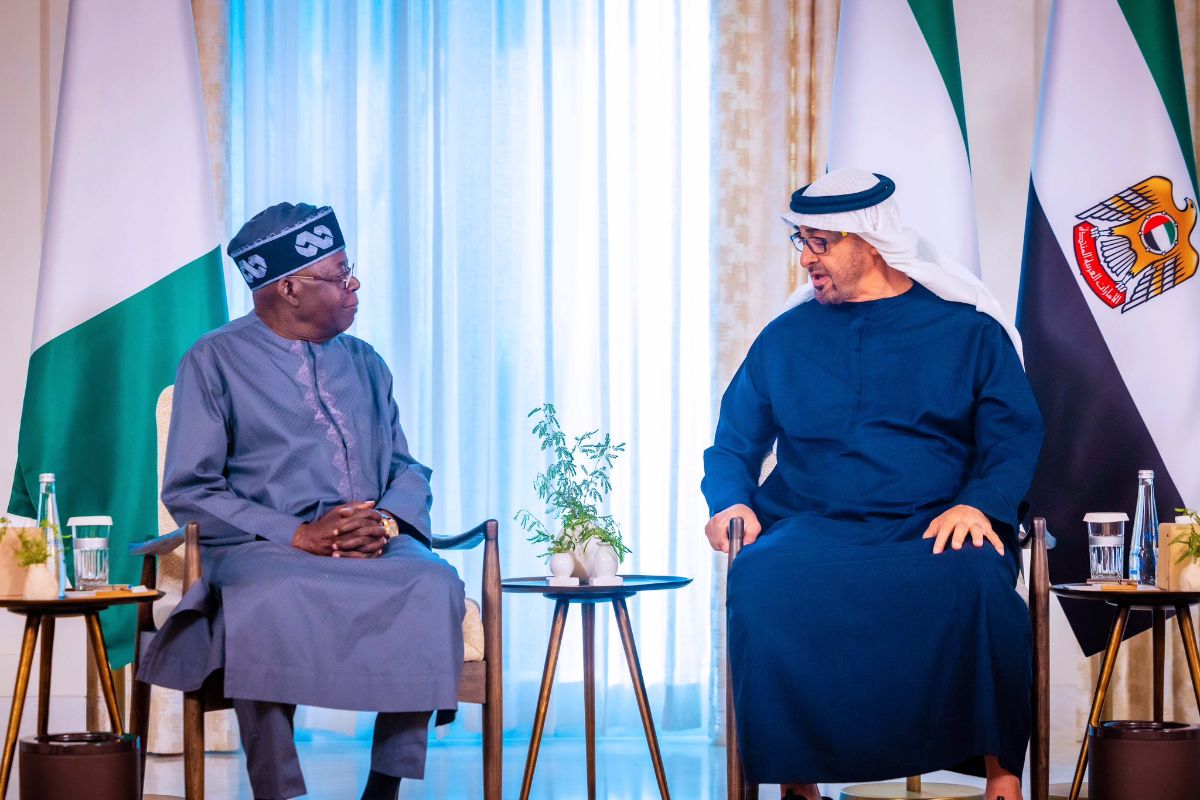
On January 13, 2026, the global economic landscape shifted as Nigeria and the United Arab Emirates (UAE) formally signed a landmark Comprehensive Economic Partnership Agreement (CEPA) during the 2026 Abu Dhabi Sustainability Week. This historic accord, finalized in the presence of President Bola Ahmed Tinubu and UAE President His Highness Sheikh Mohamed bin Zayed Al Nahyan, represents a transformative moment for Nigeria’s "Renewed Hope" economic agenda. By establishing the first-ever comprehensive trade partnership between the two nations, the agreement aims to dismantle longstanding trade barriers, catalyze foreign direct investment, and deepen cooperation in critical future-facing sectors such as renewable energy and digital trade. For Nigeria, the timing is pivotal; as the nation seeks to pivot away from a decades-long over-reliance on crude oil exports, this pact provides a sophisticated framework to integrate its local manufacturers and service providers into the lucrative markets of the Middle East and beyond, marking a new era of proactive diplomacy and strategic economic expansion.
At the heart of the CEPA is an ambitious roadmap for trade liberalization that promises to revolutionize Nigeria’s export potential. Under the terms of the agreement, the UAE has committed to the immediate elimination of tariffs on over 7,000 Nigerian products, granting duty-free access to a diverse array of goods ranging from agricultural staples like seafood, oil seeds, and cereals to manufactured commodities such as pharmaceuticals and apparel. In a reciprocal move, Nigeria has pledged to liberalize 6,243 product lines, with approximately 63.3% of these seeing immediate tariff removals and the remaining 36.7% phased out over the next five years. This carefully tiered approach is designed to protect sensitive local industries while providing Nigerian consumers and businesses with cheaper access to UAE-made machinery, vehicles, and electrical equipment. By lowering the cost of trade, the agreement effectively turns the UAE into a high-speed conduit for Nigerian-made goods to reach global value chains, significantly boosting the competitiveness of the "Made in Nigeria" brand on the international stage.
Beyond the exchange of physical goods, the CEPA introduces groundbreaking provisions for service sectors and professional mobility, addressing the modern requirements of a digitalized global economy. The agreement opens 108 service sectors in the UAE to Nigerian professionals and companies, creating unprecedented opportunities in finance, engineering, legal services, and information technology. Recognizing that human capital is the driver of trade, the pact simplifies visa and residency requirements for business leaders and technical experts; Nigerian business visitors can now explore opportunities in the UAE for up to 90 days a year, while specialized managers and executives are eligible for renewable three-year residency permits under intra-corporate transfer rules. This facilitates a seamless flow of talent and expertise, allowing Nigerian firms to establish corporate subsidiaries and branches in the UAE with greater ease. As digital trade becomes the backbone of modern commerce, these mobility provisions ensure that Nigerian innovators can collaborate directly with UAE-based tech hubs, fostering a cross-pollination of ideas that will inevitably drive growth in West Africa’s burgeoning startup ecosystem.
Sustainability and infrastructure investment form another robust pillar of this agreement, as evidenced by the announcement of the upcoming "Investopia Lagos" summit scheduled for February 2026. President Tinubu utilized the platform in Abu Dhabi to invite global investors to participate in Nigeria’s green industrial revolution, setting an ambitious target to mobilize $30 billion annually in climate and green finance. The CEPA framework specifically prioritizes collaboration in renewable energy, climate-smart infrastructure, and logistics, aiming to address Nigeria's persistent energy deficit through UAE-backed solar and gas-to-power projects. By aligning with the UAE’s expertise in large-scale infrastructure and aviation, Nigeria is positioned to modernize its logistical corridors, making the country a more attractive destination for "patient capital" that seeks long-term returns in sustainable development. The co-hosting of Investopia in Lagos serves as a concrete signal to the world that Nigeria is no longer just a destination for resource extraction, but a partner in the global transition toward a more sustainable and resilient economic future.
Looking toward the horizon, the Nigeria-UAE CEPA is more than just a trade deal; it is a strategic repositioning of Africa’s largest economy as a primary gateway for Middle Eastern investment into the African Continental Free Trade Area (AfCFTA). By fostering a relationship built on reciprocal benefit and mutual protection of investments, the two nations are creating a blueprint for South-South cooperation that challenges traditional trade hierarchies. Minister of Industry, Trade and Investment Dr. Jumoke Oduwole noted that the agreement was meticulously negotiated to ensure that Nigerian businesses have the necessary "Rules of Origin" protections to prevent the dumping of foreign goods while maximizing the benefits of tariff preferences. As the implementation phase begins, the success of this pact will depend on the ability of the Nigerian private sector to scale production and meet the high standards of the Emirati market. If executed effectively, the CEPA will serve as the cornerstone of Nigeria’s economic diversification, providing a stable, prosperous path forward that leverages the nation’s vast human and natural resources for the benefit of all citizens.