By:- Adebanwa Esther
How Sleep Heals the Body: The Quiet Science of Rest
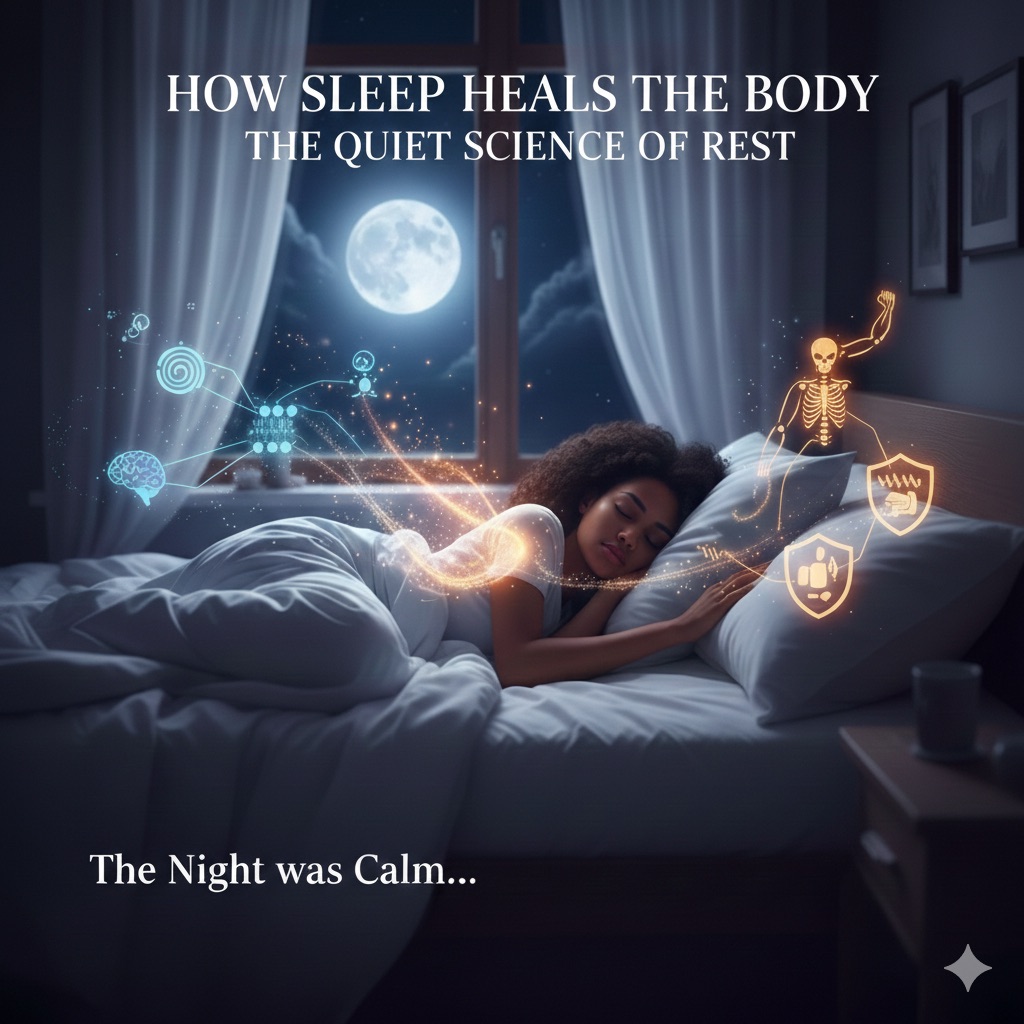
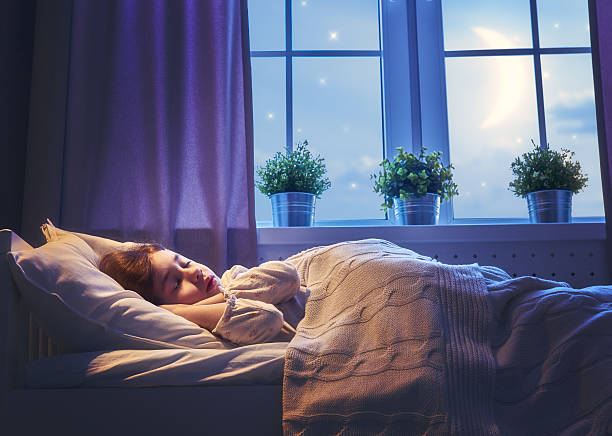
The world outside is a blur of blue light and rushing cars, but inside the bedroom, time seems to stop. Imagine a young girl tucked under her blanket; the room is cool, the air is still, and the only sound is the soft, rhythmic rise and fall of her chest. To an observer, she is doing "nothing." But beneath that calm surface, her body is busier than it was all day.
While she drifts through the shadows of dreams, an invisible army of healers has moved in. This isn't just a break from reality, it is a high-speed construction site where the brain is scrubbed clean, the heart is rested, and the body is literally rebuilt. Have you ever wondered what truly happens in those silent hours?
The Biology of the Night
Sleep is far more than closing our eyes after a long day; it is a carefully organized biological symphony. As we drift into Non-REM Stage 3 sleep, the body enters its most profound state of restoration. In this deep stillness, the pituitary gland releases a surge of Growth Hormone. Think of this as a master key that unlocks the body’s ability to renew damaged cells, repair muscle fibers, and strengthen the very foundation of our bones.
While the body repairs, the brain begins its own "midnight shift." A remarkable cleaning system known as the glymphatic system switches on. Like a nightly cleaning crew, it flushes away toxic waste products such as beta-amyloid, that accumulate during our waking hours.
The Science at a Glance:
- The Rinse Cycle: The brain’s waste-clearance system is up to 10x more active during sleep than when we are awake.
- The Immune Shield: Sleep is when the body produces cytokines, the essential proteins used to fight off viruses and inflammation.
- The Filing Cabinet: While you sleep, your brain performs memory consolidation, moving important information from short-term "folders" into long-term storage.
The Cost of the Glow
When sleep is repeatedly reduced or ignored, the consequences arrive like an uninvited guest. Without rest, levels of cortisol (the stress hormone) remain high, leaving us feeling "wired but tired."
Modern life has made this harder than ever. The blue light from our phones tricks the brain into thinking it is still daytime, suppressing melatonin, the hormone that tells us it’s time to rest. For students and young professionals, this "stolen time" leads to more than just dark circles under the eyes; it leads to weakened immunity, mood swings, and a fog that makes learning feel impossible.
A Natural Design for Growth
Beyond physical repair, sleep is the guardian of our emotional world. By allowing the amygdala :- the brain's emotional "alarm system" to reset, a good night’s rest stabilizes our mood and lowers anxiety. In the stillness, the heart rate slows, the cardiovascular system takes a well-deserved break, and the mind finds a rare moment of peace.
Protecting our sleep is not a luxury; it is a daily responsibility. Simple habits like a consistent bedtime and keeping the bedroom a "screen-free" sanctuary can transform your health.
Final Thoughts
Choosing rest is, in many ways, choosing life. It is an act of respect for the incredible machine that is your body. Within the quiet science of sleep lies the strength to heal, the clarity to learn, and the energy to face a new day with hope. Tonight, when you turn out the lights, remember: the healing is just beginning.
Continuous assessment given by; Dr. Olunifesi Suraj