Harmattan Season in West Africa: Understanding it's Key Features and Health Precautions
By Sanusi Hameed
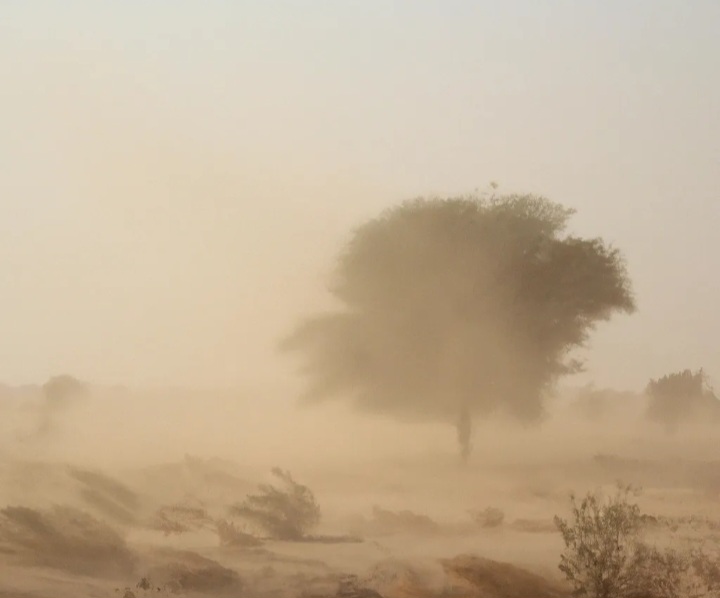
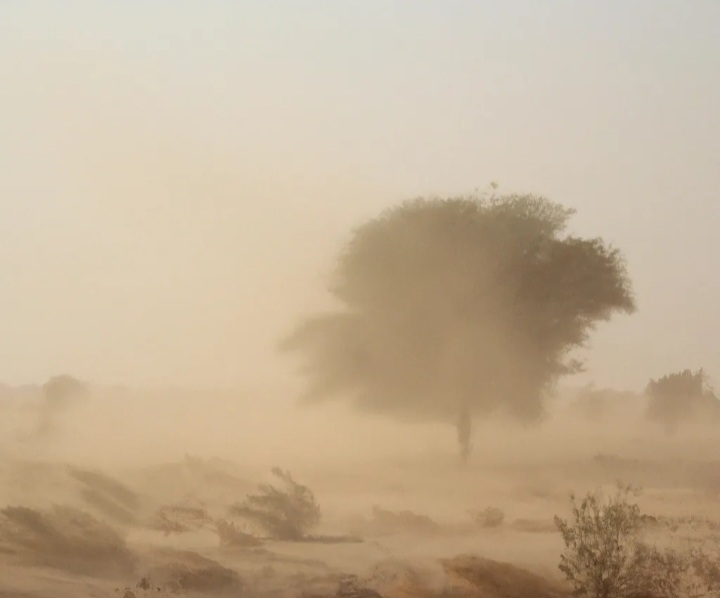
From late November to mid-March, a dry north-easterly wind from the Sahara Desert affects much of West Africa. Known as the Harmattan, the season is characterised by dusty air, low humidity, and sharp temperature changes. While often welcomed for its cooler mornings, the Harmattan also presents notable health, safety, and environmental concerns.
According to the Nigerian Meteorological Agency (NiMet), the season is marked by “reduced visibility due to dust haze and significant dryness across the region,” conditions that can affect transportation, health, and daily activities.
Key Characteristics of the Harmattan
The Harmattan is defined by several distinct features, with the most impactful listed first:
1. Dust Haze and Reduced Visibility: Fine dust particles suspended in the air can significantly limit visibility, affecting road and air travel.
2. Low Humidity: Moisture levels drop sharply, leading to dry skin, lips, eyes, and nasal congestions.
3. Temperature Variations: Cold nights and early mornings often give way to hot afternoons.
4. Respiratory Irritants: Dust and cold air can aggravate asthma, allergies, and other respiratory conditions.
5. Increased Fire Risk: Dry vegetation and materials raise the likelihood of bush fires and accidental blazes.
6. Impact on Electronics and Materials: Dust and static electricity may interfere with electronic devices and cause cracking in wood and other materials.
7. Health Risks for Vulnerable Groups: Sudden temperature drops can trigger crises in people living with Sickle Cell Anaemia.
Health and Safety Precautions
Public health experts advise residents to take practical steps to reduce exposure to Harmattan-related risks. These steps include:
Hydration and Nutrition:
Low humidity increases fluid loss. Therefore, drinking adequate water - about eight glasses daily is recommended. A balanced diet with fruits and vegetables helps support the immune system during the season.
Skin and Lip Care:
Regular use of moisturising creams or oils helps prevent dry and cracked skin. The use of lip balm reduces the risk of painful lip fissures and infection.
Respiratory Protection:
Using face masks or covering the nose and mouth outdoors can reduce inhalation of dust. Keeping windows and doors closed during heavy haze also limits indoor dust accumulation. People with asthma are advised to keep prescribed inhalers readily available.
Appropriate Clothing:
Wearing long sleeves and breathable fabrics helps protect the skin from dryness. Light jackets or shawls are also useful for cold mornings and evenings.
An outlook to it is that while the harmattan is a recurring seasonal phenomenon, its effects can be managed with informed precautions. Health authorities continue to advise vigilance, particularly for the vulnerable like children, the elderly, and individuals with pre-existing health conditions, until the season subsides toward the end of the dry period.