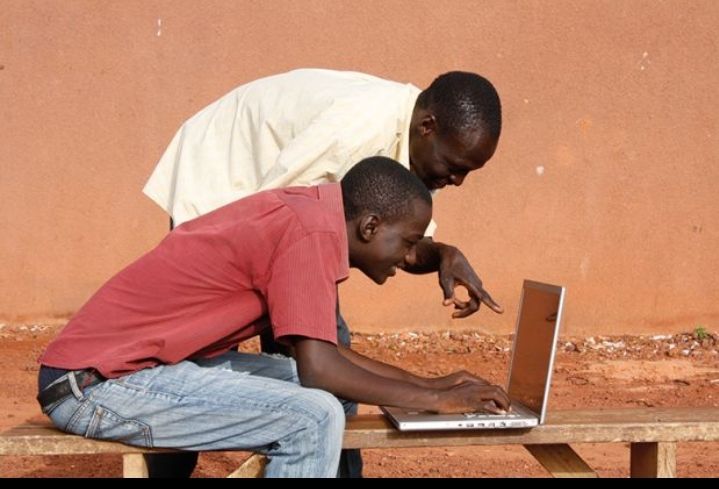
Technology has become an important part of modern life. Many people now use smartphones, computers, and the internet for education, business, communication, and entertainment. However, not everyone has equal access to these digital tools.
This difference in access to technology is known as the digital divide.
In many cities, people can easily connect to the internet and use digital devices. Students can attend online classes, entrepreneurs can promote their businesses online, and individuals can communicate with others around the world.
But in some rural communities, access to technology is still limited. Internet networks may be weak, and many families cannot afford smartphones, computers, or regular data subscriptions. As a result, people in these areas may miss out on opportunities that technology provides.
For students, the digital divide can affect their education. While some students can easily join online classes and access study materials, others may struggle because they do not have devices or internet access.
Closing this gap requires better internet infrastructure, affordable digital devices, and improved digital education. When more people have access to technology, they can participate fully in the digital world and benefit from the opportunities it offers.