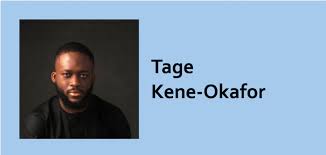
Tage Kene-Okafor: Telling Africa’s Tech Story to the World
If you’ve been paying attention to Africa’s tech and startup space in the past few years, especially through international platforms, then you’ve probably seen the name Tage Kene-Okafor more than once. For many people interested in African innovation, his stories were often the first way they learned about new startups, big funding rounds, and major industry changes. For about five years, up until early 2026, Tage worked as a reporter at TechCrunch, one of the biggest technology news platforms in the world. From his base in Lagos, Nigeria—often called Africa’s startup capital—he helped bring African tech stories to a global audience.
Tage didn’t just appear at TechCrunch by chance. Before joining the platform in February 2021, he had already built a solid foundation at Techpoint Africa, where he wrote about founders and young companies trying to find their feet. When he moved to TechCrunch, he quickly became one of the main voices covering West Africa and beyond. Over time, his name became familiar to founders, investors, and readers alike, thanks to the hundreds of articles he published.
What really made Tage’s work special was how he told his stories. He wasn’t only interested in big numbers or flashy headlines. He cared about what was happening behind the scenes—the struggles, the mistakes, the learning process, and the people involved. When African startups were raising billions of dollars and making global headlines, he reported it with excitement. But when the market slowed down and companies had to lay off staff or rethink their plans, he was there to tell that story too, honestly and respectfully.
His writing often felt like a conversation. One article about a funding round would naturally lead to another about how the company was managing growth, dealing with regulators, or competing for talent. In this way, readers didn’t just get isolated news—they got a full picture of how the ecosystem worked.
In fintech, Tage became especially well known for his coverage of companies like Flutterwave. He followed their journey closely, writing about leadership changes, new products, expansion plans, and even the challenges they faced with regulation. Through his stories, readers could see how African fintech companies were growing from small startups into major players.
He also paid close attention to investment trends. During the big funding boom of 2021, he showed how African startups raised over $4 billion, which changed how the world looked at the continent’s tech scene. Later, when global investors became more cautious, he explained what that meant for local founders and how they were trying to adapt.
Beyond fintech and funding, Tage wrote about everyday businesses that were trying to solve local problems. Companies like Omnibiz and Marketforce featured in his reports, not just for their successes but also for their struggles. These stories showed how difficult it can be to build and scale a business in Africa, where infrastructure, logistics, and regulations can be challenging.
When startup support systems changed, he reported that too. For example, when Y Combinator reduced its focus on Africa in 2024, Tage highlighted how local entrepreneurs stepped up to create new accelerators. His stories showed that even when external support reduced, African founders found ways to keep moving forward.
Tage was also curious about new and emerging fields. He explored artificial intelligence, remote work platforms, and food delivery startups. He interviewed leaders in these spaces and explained their ideas in simple, clear language. Whether he was writing about RemotePass, Chowdeck, or an AI startup, he always focused on how these businesses affected real people.
Another strong point of his journalism was how he connected technology to government policies and the wider economy. He explained how decisions by institutions like the Central Bank of Nigeria affected fintech companies. He also spoke on national television about how AI and technology could shape Nigeria’s future. In this way, he helped readers see that tech does not exist in isolation—it is deeply linked to society and policy.
His writing style was balanced and trustworthy. He talked to founders, investors, and experts, making sure different voices were heard. He praised progress, but he didn’t ignore problems. When he saw risks, such as too much dependence on foreign investors or weak management, he pointed them out calmly and fairly.
Outside his articles, Tage remained down-to-earth. On social media, he shared his work alongside small personal moments, such as his first time flying business class or appearing on television. These posts reminded people that behind the byline was a real person, growing and learning like everyone else. As a graduate of the University of Nigeria, Nsukka, his journey also inspired many young Nigerians who hoped to build careers in media and technology.

In January 2026, Tage announced that he was leaving TechCrunch after what he called “five incredible years.” He moved on to become Director of Communications at Terra Industries, a Nigerian company working on defense and critical infrastructure technology. The company had just raised $11.75 million to expand its operations, including drone manufacturing. Many people saw this move as a natural next step—from reporting on innovation to becoming part of it. His decision sparked conversations across social media and within tech circles.
Looking back, Tage’s work reflects the true nature of Africa’s tech ecosystem: connected, complex, and constantly changing. One story often led to another, helping readers understand not just what was happening, but why it mattered. In a media world where African tech is sometimes overlooked or misunderstood, he consistently provided clear, thoughtful, and meaningful coverage.