A custom. It was old, older than memory, older than words but it was law. Twins were cursed, their existence an omen. The gods rejected them, and so must the people.
Ofure was born into this belief, told stories from the time she could pay attention. Her childhood was filled with fearful songs that warned of double cries in the night and tales of famine that followed twin births.
When she married Uduak, she carried this ancestral truth with her, not with bitterness but duty. She loved her people, her land, her lineage. She trusted them.
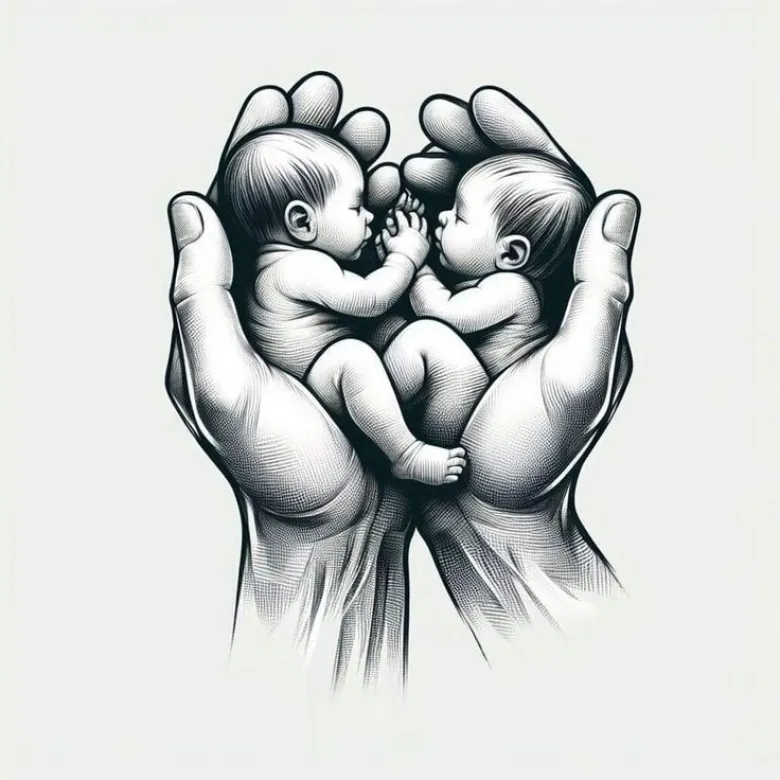
So, when the time came and Ofure went into labor, the midwife gasped softly after the first child came. Then the second.
A boy then a girl. Twins.
No one rejoiced. No shouts of joy that usually came with the birth of children. The room was silent. The midwife’s hands trembled as she wrapped the babies. Ofure, exhausted, watched their tiny faces, perfect and innocent. She felt something strange. It wasn't fear, neither was it love. It was guilt.
Uduak came to her side, his face gray. “We must do what should be done,” he whispered.
Ofure turned away, her body aching, her heart a storm. But she nodded.
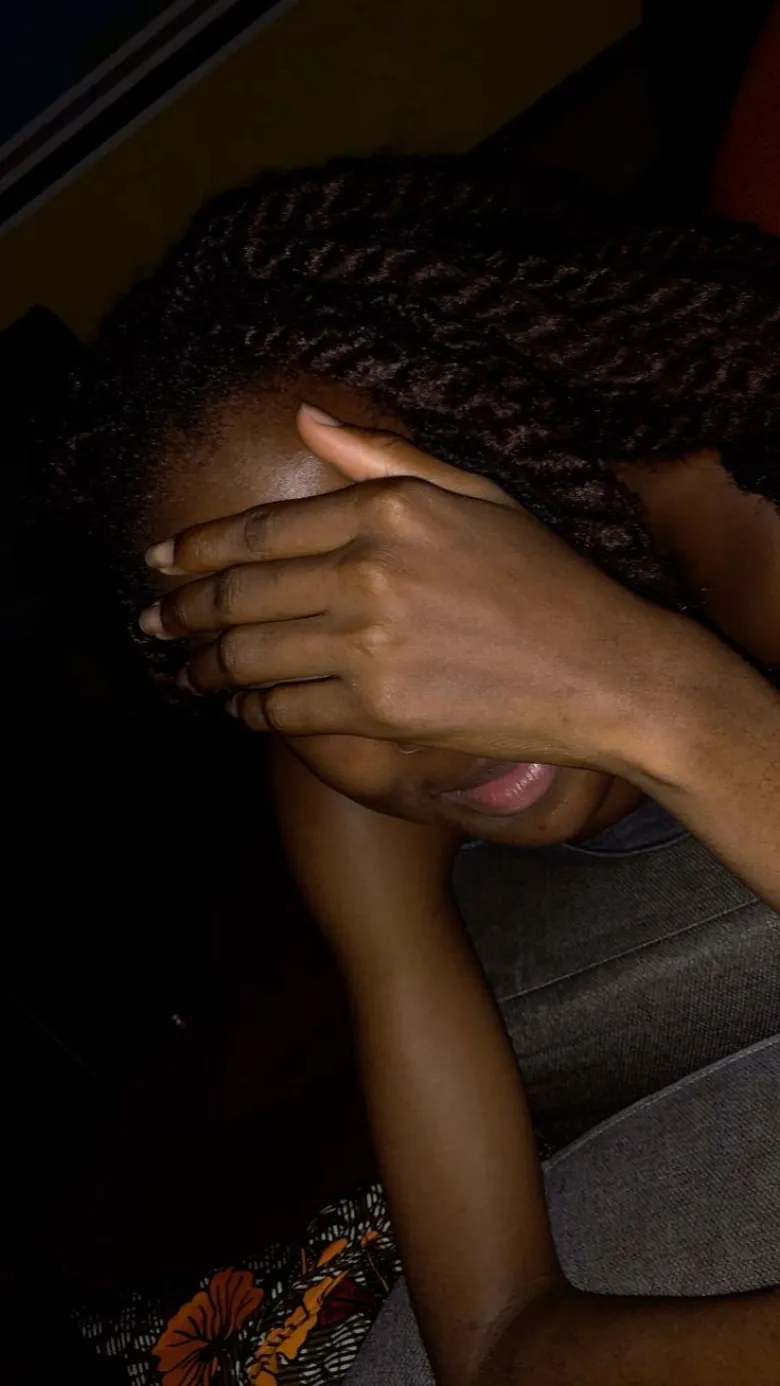
At dawn, the villagers gathered by the river. There was no ceremony, no prayer. Just water and silence and grief. The twins were taken. Ofure didn’t watch. She just stared at the sky, waiting for peace to find her.
It never came.
Months passed. Ofure barely spoke. The village praised her strength, her loyalty, her purity. But she felt hollow, as if something had been carved out of her. Nights became endless tunnels of crying. Uduak saw it too. One evening, he said, “Let’s leave.”
They moved to Lagos. The city pulsed with life, foreign yet full of promise. They found a flat in a modest neighborhood and tried to start over.
Their next-door neighbors, the Adeyemis, were warm and joyful. The couple had twin daughters, Lara and Layo. They were sixteen years old. They were beautiful and intelligent. They played in the compound and laughed at each other's jokes.
Ofure watched them from the window. First with suspicion. Then wonder. Then sadness.
The girls laughed freely. They were healthy, kind, and full of dreams. Nobody avoided them. No one whispered. The Adeyemis spoke of universities, scholarships, and travel.
And in Ofure’s chest, something broke open.
One day, she asked the girls to come inside. They chatted about school, music, and clothes. Layo even braided her hair. When they left, Ofure sat for hours in silence.
She turned to Uduak that night, eyes red. “They’re not cursed,” she said, voice cracking. “They’re just… children.”
Uduak looked away. “We didn’t know.”
“But now we do.” Her hand went to her belly, empty for years. No life had come since the twins. She had prayed, waited, and cried.
“It was fear,” she whispered. “Not wisdom, just fear dressed as tradition.”
The pain that followed was not sharp, it was dull, heavy, endless and she couldn’t escape it. The twins’ faces haunted her. She tried to remember if she held them long enough. If they knew love before the river took them.
She would never know.
Ofure stopped attending gatherings. She avoided baby showers. Sometimes she would sit outside and watch Lara and Layo walk by, their laughter like music from another world.
Every day was a reminder. Of what she’d lost. Of what she’d given away.
Her womb remained silent.
Years later, she stood at the riverbank in Calabar again, this time older and alone .The water still flowed, unchanged. But she had changed.
“I’m sorry,” she whispered into the breeze. “I didn’t protect you.”
She was answered with silence.
It was too late