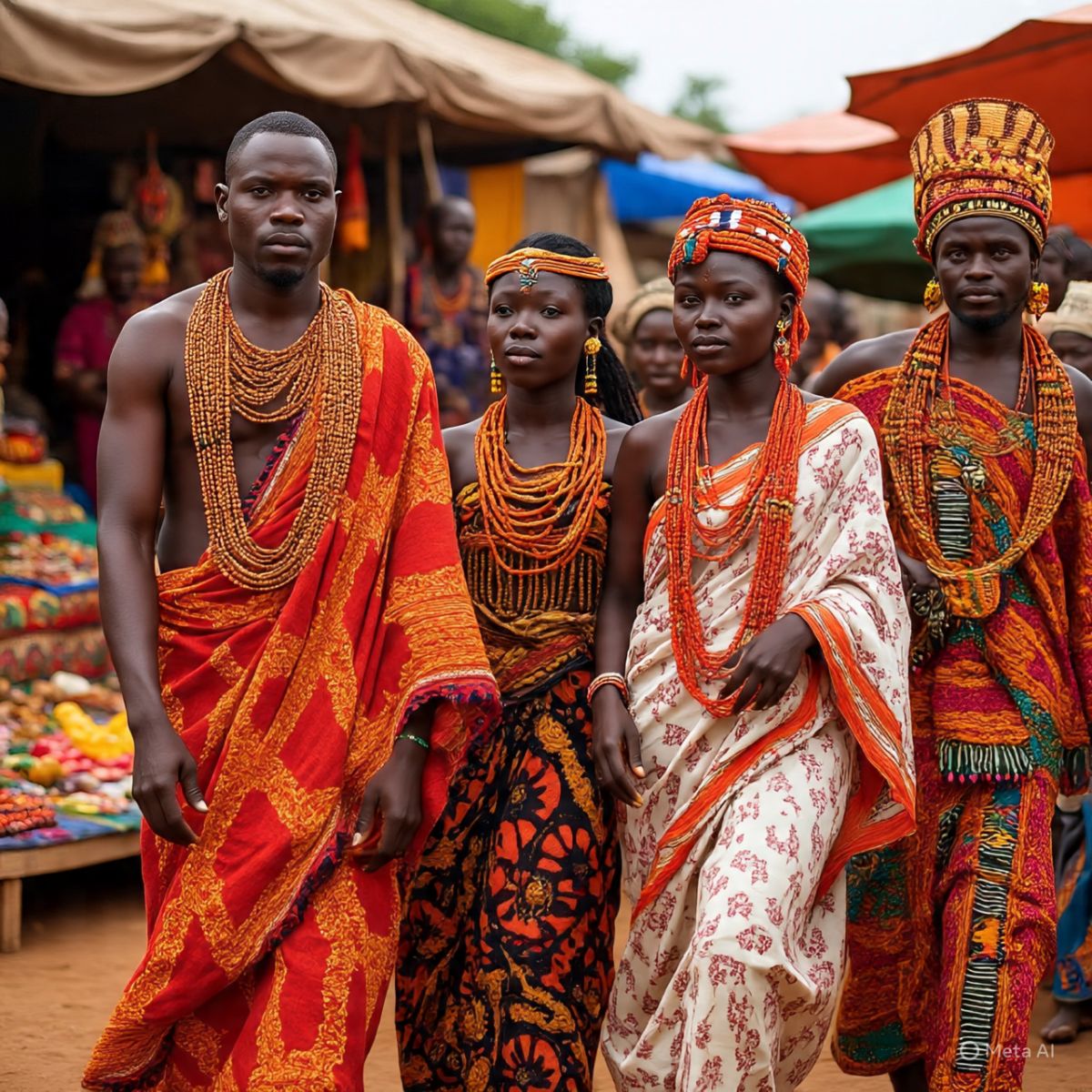
My personal experience from the GST 112 Cultural Presentation
The event involved 100-level students enrolled in the Nigerian Peoples and Culture (GST 112) course showcasing various elements of Nigeria’s rich cultural heritage through practical displays.
Highlights included vibrant traditional dances, mock traditional marriage ceremonies, and festival reenactments, providing an immersive experience that celebrated the diversity of Nigerian ethnic groups.
Dr. Kajo, a lecturer from the Faculty of Management Sciences, described the purpose of these sessions as enabling students to "connect with their roots" and gain first-hand knowledge of their culture—fostering cultural awareness and appreciation.
---
My Experience from the gst112 (Nigerian people and culture) cultural presentation
Lively Atmosphere: Based on my experience it was a hall or auditorium filled with excited freshmen, each representing different ethnic backgrounds in colorful traditional attire. The air would buzz with anticipation.
Visual Feast: Traditional garments—like Aso-Ebi, wrappers, agbada, beads, and headgear were worn to paint a dynamic tapestry of Nigeria’s visual culture.
Rhythm and Movement: Dance troupes perform the Hausa Bakwai rhythm, Yoruba Bata sequences, Igbo masquerades, or other regional dances—accompanied by drums, flutes, and chants that echo throughout the venue.
Emotive Connection: Watching peers enact these customs stir personal pride in one’s roots and foster mutual respect for all traditions showcased.
Wrap-up Reflections: After the presentation the event concluded with applause, comments from lecturers or cultural ambassadors, underscoring how GST 112 aims to deepen students’ cultural understanding—tying back to course objectives like appreciation of diversity and national unity.