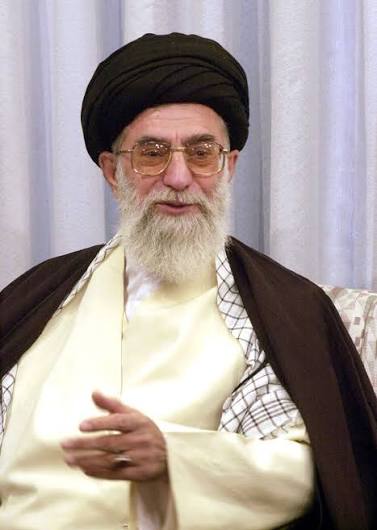
In a dimly lit hall in Cape Town, members of the Ahlul Bait Foundation of South Africa gathered in solemn silence, paying tribute to Iranian supreme leader Ayatollah Ali Khamenei after his killing in joint US-Israeli military operations in Iran.
The foundation, which represents Shia Muslim communities across South Africa, transformed its Cape Town centre into a makeshift memorial. Candles flickered beside Iranian flags, while a large portrait of Khamenei dominated the front of the room. A condolence book lay open on a table, its pages steadily filling with handwritten prayers, messages of loyalty and expressions of anger.
Men, women and children filed past the portrait, some pausing to touch the frame, others quietly reciting verses from the Quran. Many wore black as a sign of mourning. The atmosphere was heavy with grief but also with a sense of defiance.
National coordinator Syed Aftab Haider addressed the gathering, condemning the airstrikes that killed the 86-year-old leader. He described Khamenei as a symbol of resistance, saying the US and Israel had “killed a great leader whose crime was nothing but to resist for independence and sovereignty and rights of his own country.” His words drew murmurs of approval from the crowd, some of whom wiped away tears as they listened.
The killing of Khamenei followed months of intense turmoil inside Iran, where authorities had launched a sweeping crackdown on anti-government protests. Rights groups and observers have reported mass arrests and thousands of deaths as security forces moved to crush dissent. For many Iranians and members of the global diaspora who opposed his rule, news of Khamenei’s death prompted celebrations and public displays of joy.
That stark contrast in reactions was not lost on the Cape Town mourners. Speakers at the event acknowledged the deep divisions over Khamenei’s legacy but insisted that, for them, he remained a revered religious and political figure. They framed his death as part of a broader struggle over the future of the Middle East and the role of Western powers in the region.
As the evening drew to a close, congregants stood shoulder to shoulder in prayer, their voices rising in unison. Outside, the city moved on as usual, but inside the Ahlul Bait Foundation, the community’s grief and solidarity were on full display.