Fashion Beyond Fabric: How Style Shapes Identity and Communication
In today's digital world, fashion is more than clothing—it is a powerful form of communication that influences culture, identity, and society.
Introduction
Fashion is often seen as a way of dressing, but it is much more than that. It is a powerful form of non-verbal communication that reflects a person's identity, culture, beliefs, profession, and personality. Long before people speak, their appearance creates an impression. In today's world, fashion has become a global industry that connects people through creativity, technology, and the media.
The rise of social media, online shopping, and digital marketing has transformed fashion into one of the fastest-growing industries worldwide. Designers, models, photographers, influencers, and journalists all play important roles in promoting fashion and shaping public opinion.
Fashion as a Means of Communication
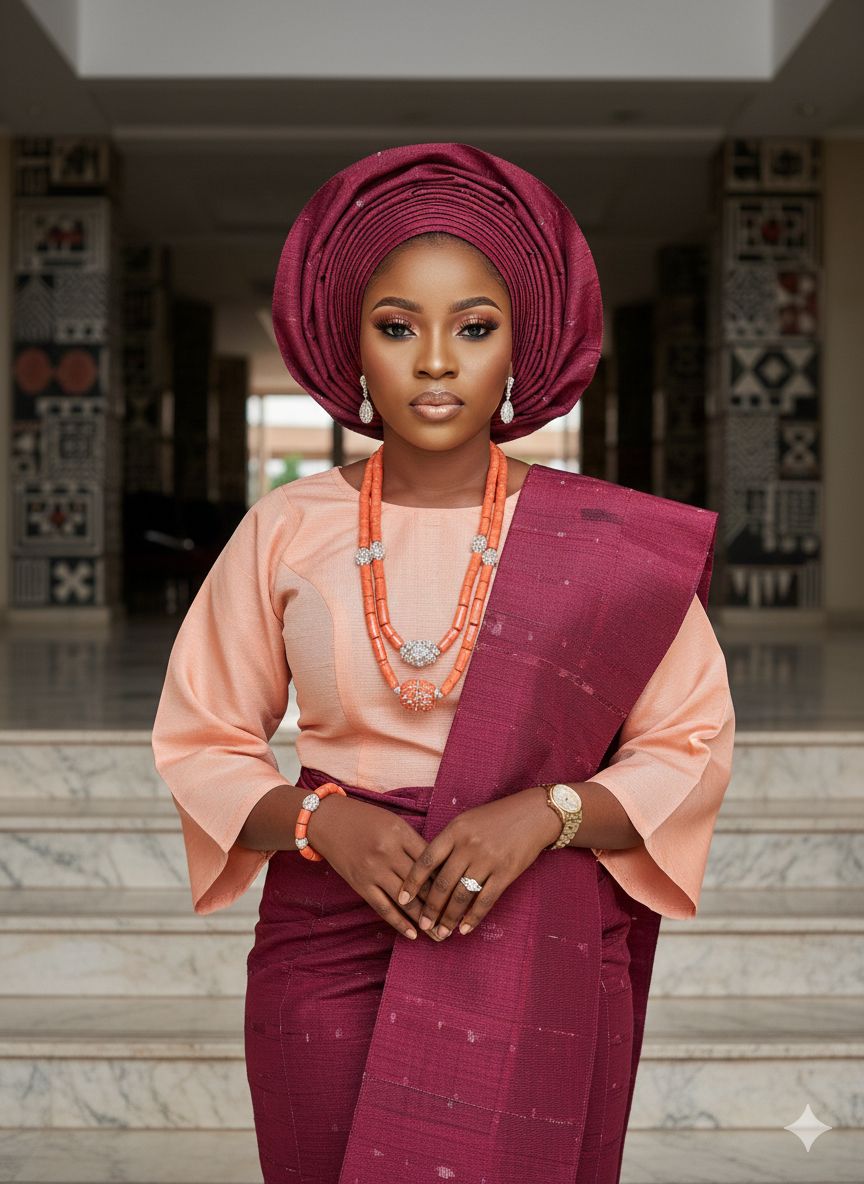
Fashion allows people to express themselves without saying a word. The clothes people wear often reflect their lifestyle, values, and confidence. For example, a business executive in a suit communicates professionalism, while traditional Nigerian attire expresses cultural pride and heritage.
Fashion also strengthens cultural identity. Nigerian fabrics such as Ankara, Aso Oke, Adire, and lace represent the country's rich traditions while appealing to international audiences through modern designs.
The Role of the Media
The media has helped fashion reach millions of people around the world. Television programmes, newspapers, magazines, websites, and social media platforms regularly report on fashion trends, runway shows, and interviews with designers.
Fashion journalism is an important aspect of mass communication. It goes beyond describing clothes by explaining the social, cultural, and economic importance of fashion. Journalists help audiences understand how fashion influences society while promoting creativity and innovation.
Fashion and Technology
Technology has changed the way fashion is designed, marketed, and consumed. Designers now use computer software to create clothing patterns before production. Social media platforms such as Instagram, TikTok, Facebook, and YouTube allow fashion brands to advertise their products and interact directly with customers.
Online shopping has made fashion more accessible, enabling consumers to purchase clothing from anywhere in the world. Digital marketing, photography, and graphic design have also become essential tools for modern fashion businesses.

Fashion and Economic Development
The fashion industry contributes significantly to economic growth by creating employment opportunities for designers, tailors, textile producers, photographers, makeup artists, models, and fashion marketers.
In Nigeria, many young entrepreneurs have built successful businesses through online fashion stores and clothing brands. Fashion events and exhibitions also promote tourism and attract investment into the creative industry.
Challenges Facing the Fashion Industry
Despite its growth, the fashion industry faces several challenges. Fast fashion has increased clothing waste and environmental pollution due to excessive production and consumption. In addition, social media sometimes promotes unrealistic beauty standards that affect people's self-esteem.
To address these problems, many designers now support sustainable fashion by producing environmentally friendly clothing and encouraging responsible consumer behaviour. The promotion of diversity and body positivity has also helped create a more inclusive fashion industry.
Conclusion
Fashion is more than clothing; it is a powerful language that communicates identity, culture, and creativity. Through the media and modern technology, fashion has become an important part of global communication and economic development.