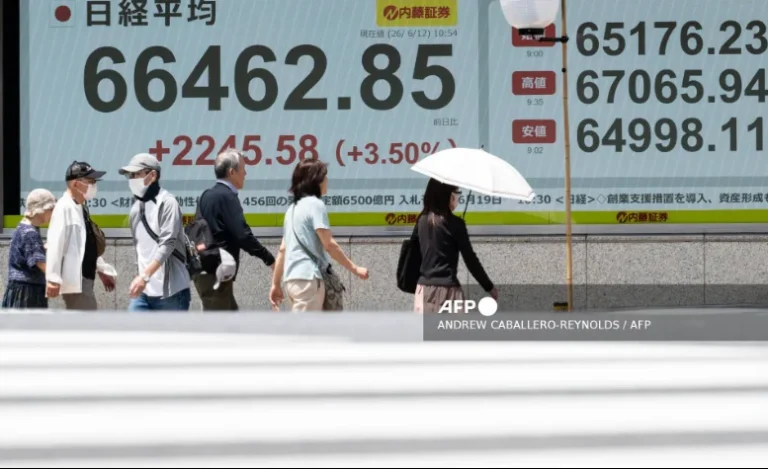
Crude oil prices slid sharply while stock markets rallied worldwide after Washington and Tehran confirmed a breakthrough peace deal that will reopen the Strait of Hormuz, easing a major chokehold on global energy supplies.
The agreement, announced by both governments after weeks of shuttle diplomacy led by Pakistan, is set to be formally signed in Switzerland. It brings an abrupt halt to a three‑month conflict that had rattled shipping lanes, driven crude above 110 dollars a barrel and stoked fears of a renewed inflation shock.
The Strait of Hormuz, a narrow waterway at the mouth of the Gulf, handles roughly a fifth of the world’s crude exports. Iran had effectively sealed off the route in response to US‑Israel strikes, forcing tankers to reroute and insurers to hike premiums. The sudden prospect of normal traffic returning sent traders scrambling to reprice risk.
West Texas Intermediate futures dropped as much as 5 per cent, nearing 83.30 dollars a barrel, extending a retreat from the conflict‑driven spike. Analysts said the move immediately eased pressure on central banks that had been bracing for another surge in headline inflation.
“Oil down takes the inflation impulse down. Lower inflation risk takes some of the Fed‑hike premium out of the curve. Lower yields give duration and growth equities room to breathe,” said Stephen Innes of SPI Asset Management, noting that safe‑haven demand for the dollar was already fading.
Equity markets seized on the shift. In Asia, Japan’s Nikkei 225 jumped about five per cent, with technology shares leading gains as investors rotated back into growth stocks. Seoul also surged, while Shanghai, Sydney, Singapore and Taipei all advanced more than one per cent. Hong Kong’s Hang Seng added 0.7 per cent, and early trading in London, Paris and Frankfurt pointed to a strong European session.
Currency markets reflected the improved risk appetite. The euro and pound firmed against the dollar, while the yen strengthened modestly as investors unwound some wartime hedges.
Still, some strategists warned that the rally rests on fragile foundations. Michael Wan of MUFG cautioned that the durability of the peace hinges on the fine print of the accord, follow‑through on mine‑clearing operations in the Gulf and restraint from regional actors, particularly Israel.
For now, though, markets are treating the deal as a turning point: a rapid shift from “bunker pricing” to “reopening pricing” that has taken the heat out of oil and handed global equities a powerful new tailwind.