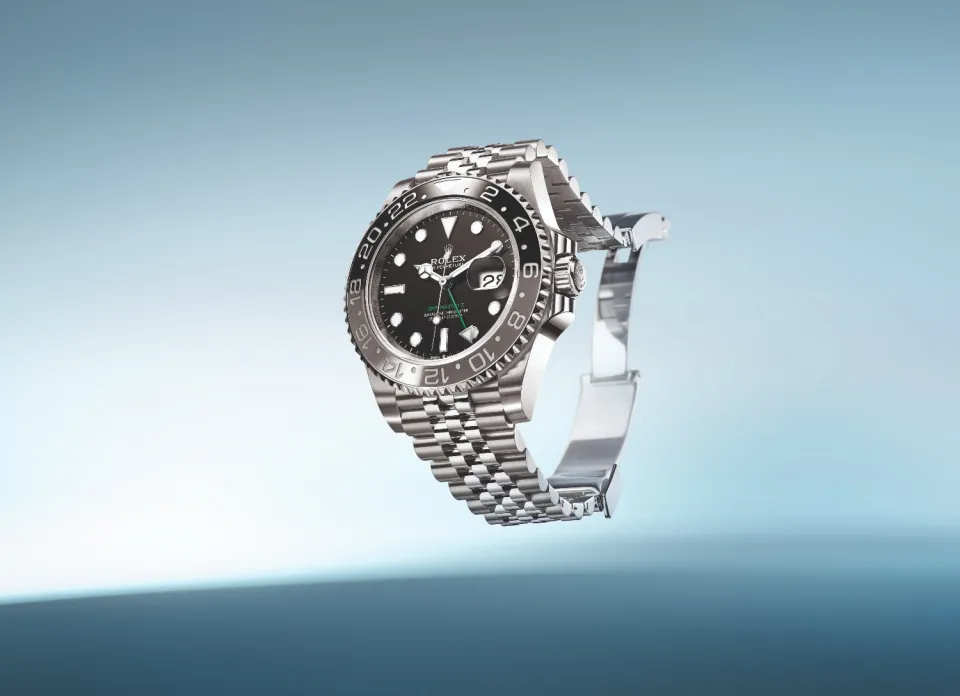
For nearly seven decades, the Rolex GMT-Master and GMT-Master II have epitomized the essence of travel, serving as loyal companions for frequent fliers and global professionals alike. These iconic timepieces not only represent the pinnacle of watchmaking but also hold a special place in the hearts of those who navigate the world's time zones.
The Rolex Oyster Perpetual GMT-Master II, renowned for its cosmopolitan appeal, made its debut in 1982 as the successor to the original GMT-Master, which was introduced in 1955. The GMT-Master II maintained the design language of its predecessor, a testament to Rolex's perfection of the line's style and technical prowess from the outset. Decades of innovation have kept it at the forefront of watchmaking, making it the GMT watch of choice for discerning connoisseurs.
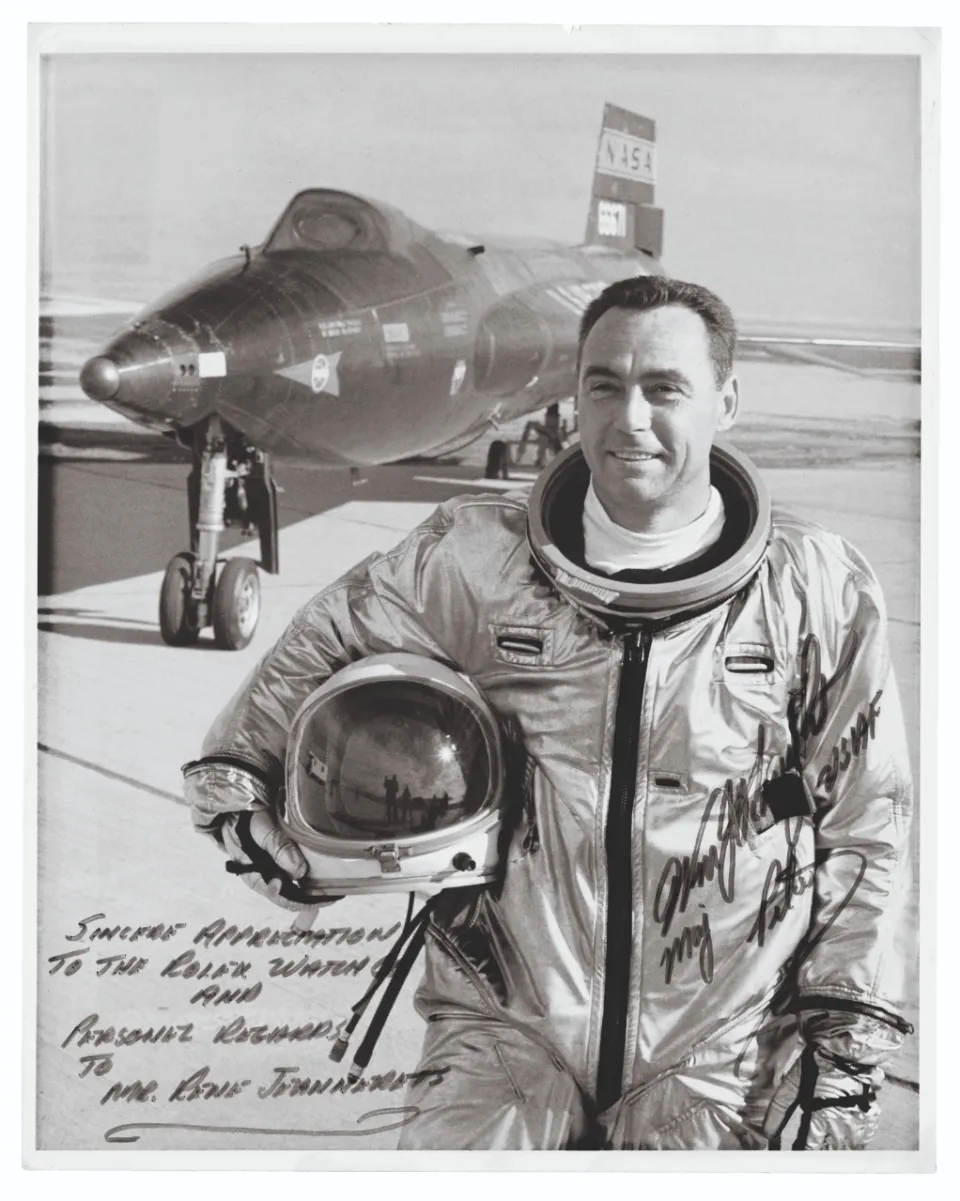
The 1950s and 1960s were periods of significant progress in civil aviation, marked by the development of passenger jets and a booming global economy. This era saw a burgeoning demand for air travel, and for the first time in history, large numbers of people were crossing time zones rapidly. Against this backdrop, Rolex developed the original GMT-Master, a true tool watch with a design that remains a standard for GMT-function models today.
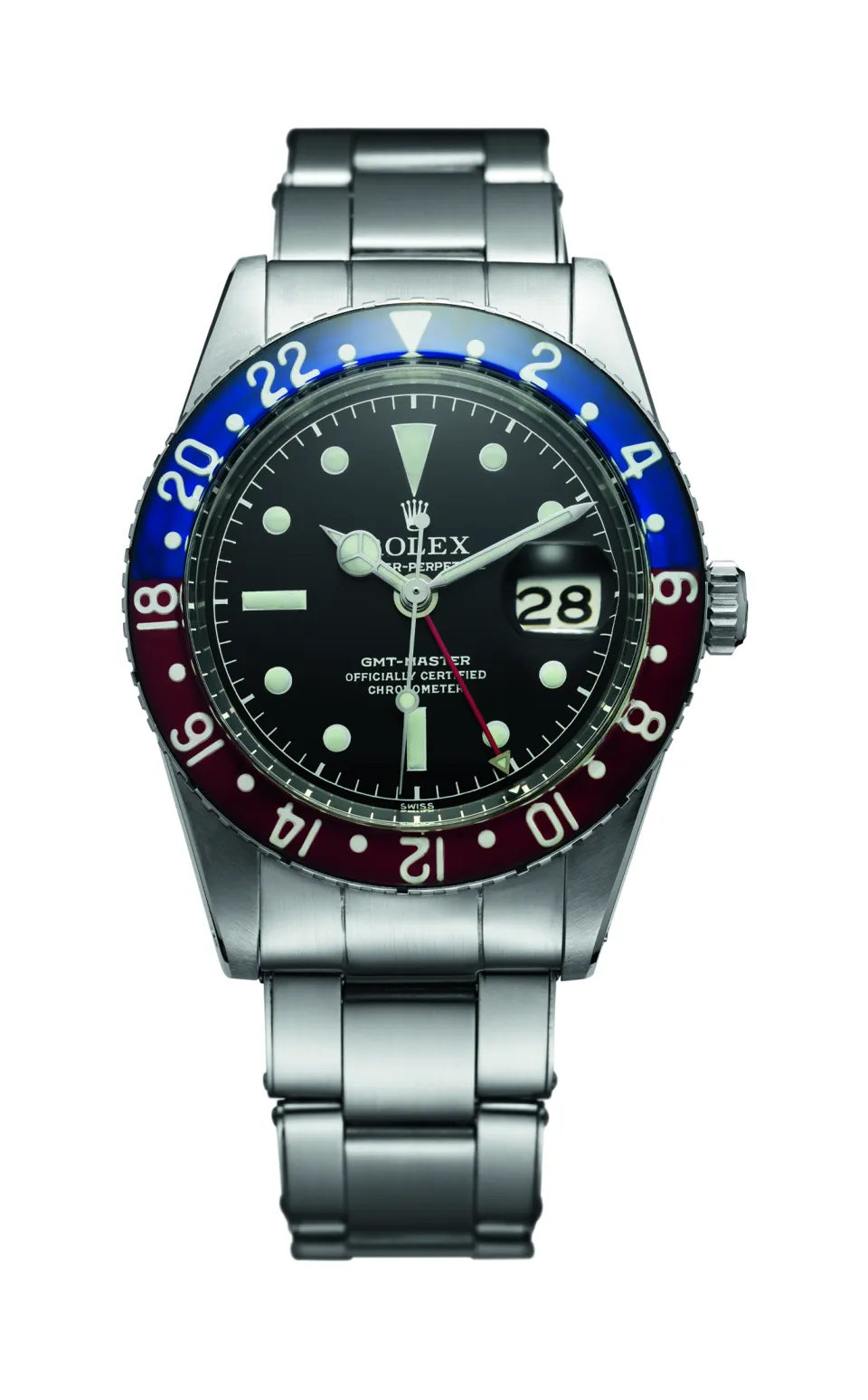
The GMT-Master quickly established its reputation in aviation, accompanying groundbreaking achievements such as the first non-stop transatlantic flight from New York to Moscow and the Mach 6.7 speed record set by the hypersonic X-15 experimental aircraft. The watch featured a large triangle-tipped hand that circled the dial in 24 hours and a bidirectional rotatable bezel with a 24-hour graduation, allowing wearers to easily track a second time zone.
In 1982, Rolex introduced a new movement, the calibre 3085, which allowed the hour hand to be adjusted independently of the other hands. This innovation made it easier for wearers to set local time as they traveled. The watch with this new movement was named the GMT-Master II, and both models were offered simultaneously until the original was discontinued in 2000.
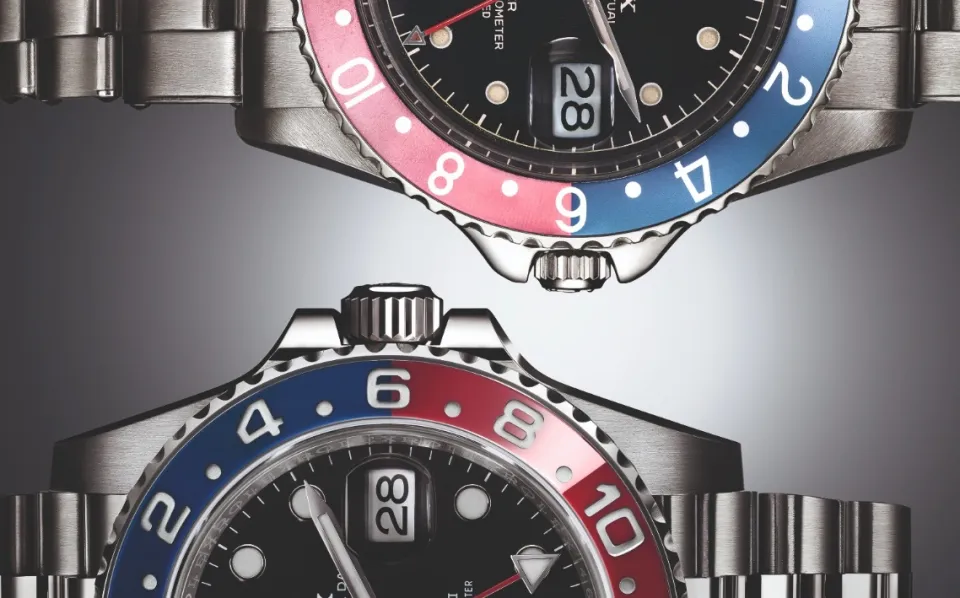
Rolex has continuously introduced technical advancements to ensure that the GMT-Master II remains at the cutting edge. The 24-hour graduated bezel, initially made of Plexiglas, was updated to aluminum in 1959 and later to ceramic in 2005, providing a virtually scratchproof surface. The introduction of two-tone Cerachrom bezel inserts in 2013 and subsequent color variations demonstrated Rolex's commitment to engineering excellence.
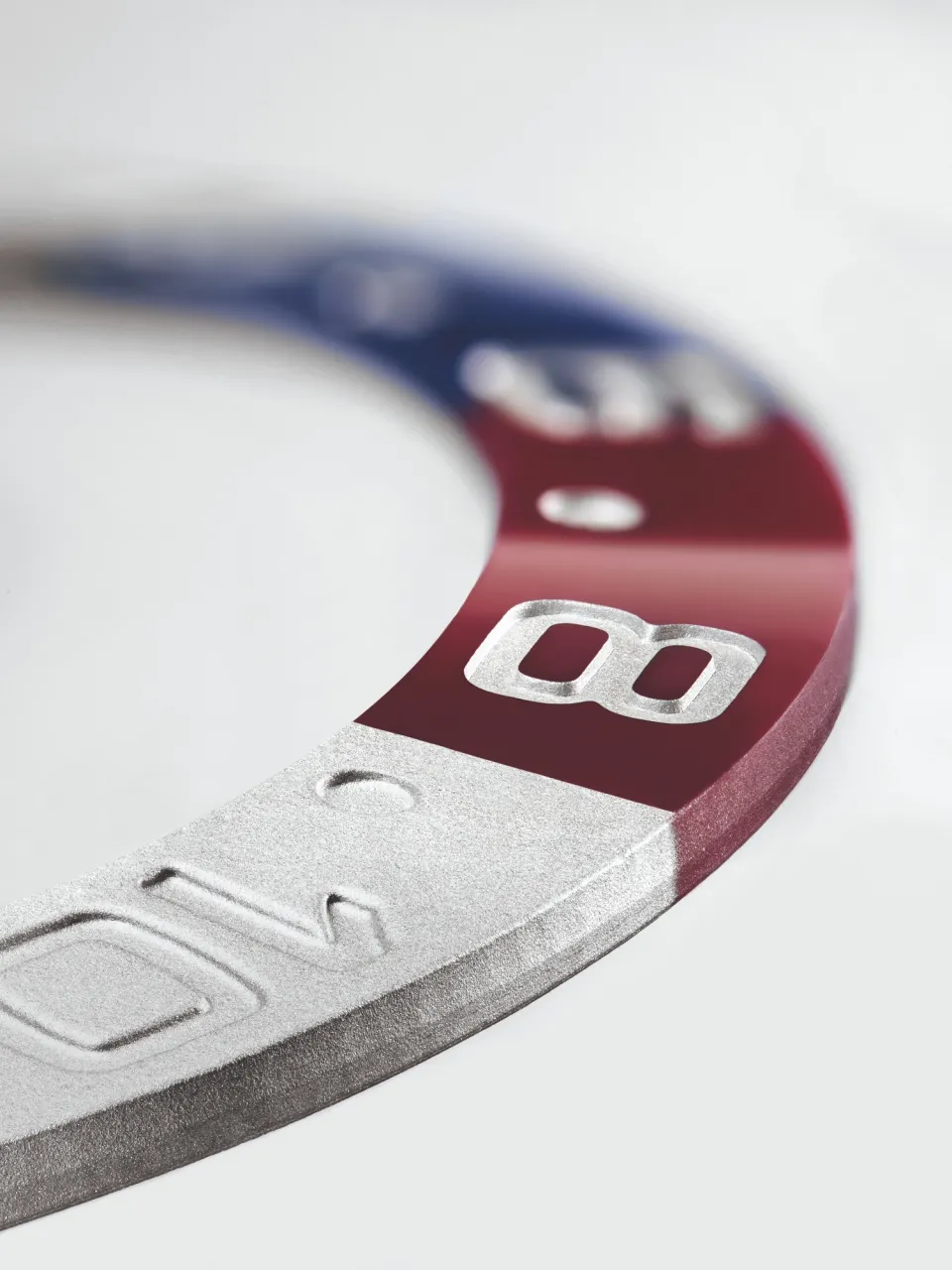
Today, the GMT-Master II continues to embody Rolex's quest for perfection. The latest models, featuring calibre 3285, benefit from advanced technologies such as the Chronergy escapement and the blue Parachrom hairspring, offering improved efficiency, magnetic resistance, and a 70-hour power reserve. The exterior design includes striking elements like the Cerachrom bezel insert in black and grey, complementing the Oystersteel case and black lacquer dial.
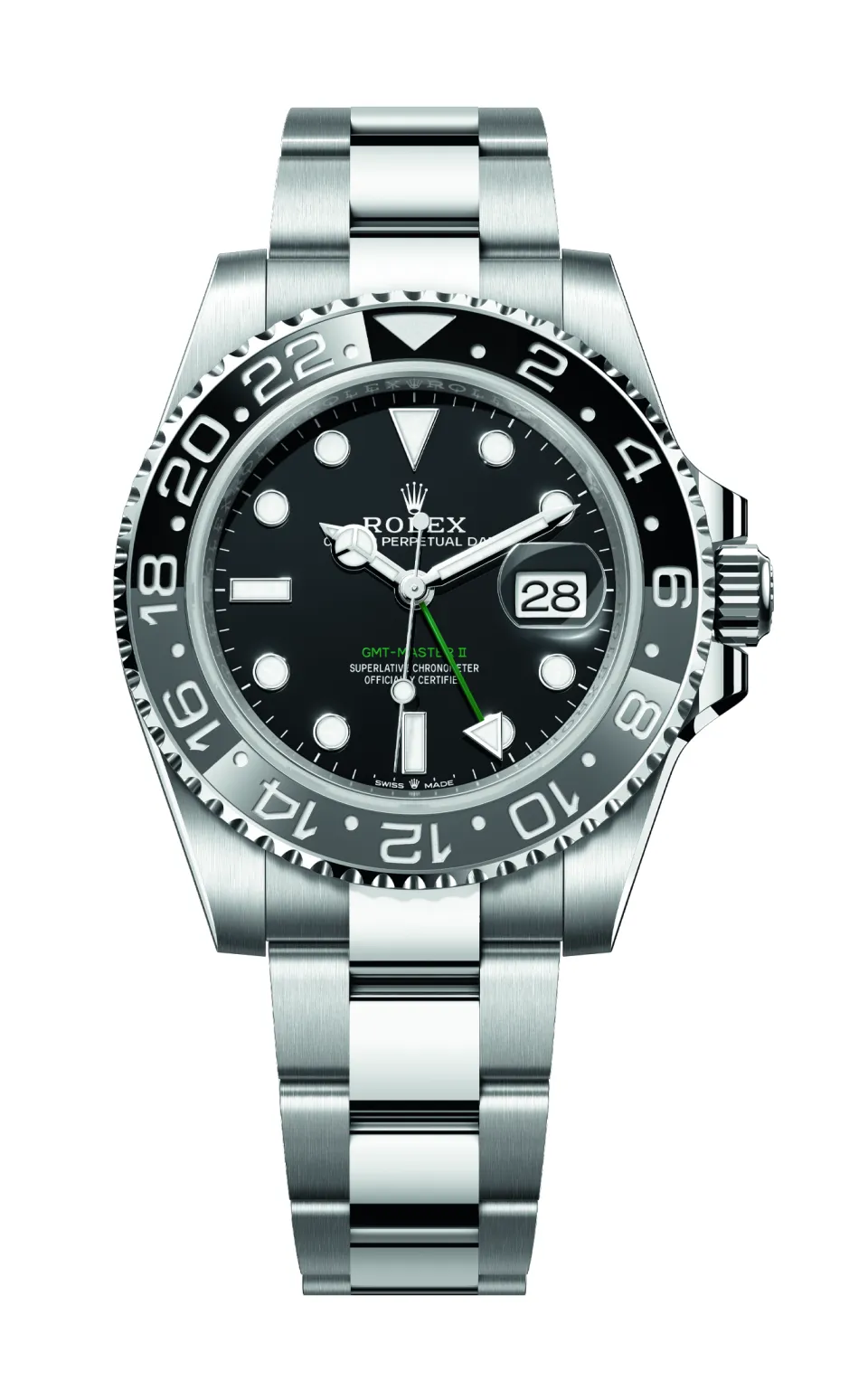
The choice of bracelet – either the robust Oyster bracelet or the supple Jubilee bracelet – adds to the watch's versatility and comfort. Both bracelets are equipped with the Oysterlock folding safety clasp and the Easylink comfort extension link, allowing for fine adjustments.
Every GMT-Master II is covered by Rolex's Superlative Chronometer certification, which exceeds industry standards with a precision of +2/-2 seconds per day, and stringent requirements for waterproofness, self-winding performance, and power reserve. Backed by an international five-year guarantee, these timepieces represent the pinnacle of quality and reliability.
The GMT-Master and GMT-Master II, envisioned as tools for professionals to track time in different zones, have grown beyond their original purpose. Today, they symbolize connections to places of significance for the wearer, whether as memories, plans, or aspirations. For those who venture across time zones and frontiers, the GMT-Master II will continue to be a steadfast companion, as it has been for nearly seven decades.
Source: Luxuo.com





.jpeg?alt=media&token=96b327a5-8e62-4ed1-a078-308aff149ed1)


