Every year in Nigeria, flooding has become something people almost expect, especially when the rainy season starts. In places like Lagos, Port Harcourt, Ibadan, and Abuja, once rain begins to fall heavily, roads get covered with water and houses get destroyed. Many people believe flooding only happens because of heavy rain or climate change, but there is another issue that is often ignored, which is packaging waste.
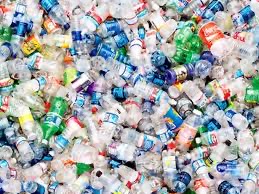
If you walk around many Nigerian cities, you will notice that plastic waste is everywhere. Plastic bottles, nylon bags, takeaway packs, and sachet water nylons are found on roadsides, in gutters, and around markets. Nigerians use packaged products every day because they are cheap and easy to buy. After using them, most people do not think about where to throw the waste. They just drop it anywhere because waste bins are either not available or already full.
This packaging waste later becomes a big problem during rainfall. When plastics enter gutters and drainage channels, they block the free movement of water. The drains that are meant to carry rainwater away become filled with rubbish. As a result, when rain falls, the water cannot flow properly and it spreads into the streets and houses. This is why flooding happens so fast in some areas, even when the rain is not very heavy.
One packaging waste that causes serious trouble is sachet water nylon. Almost everyone in Nigeria drinks sachet water because it is affordable. After drinking, many people throw the empty sachets on the ground. Because they are light, the wind easily blows them into gutters, or rain washes them there. Over time, these sachets pile up and block drainage systems badly.
The flooding problem is not only caused by people’s careless behavior. It is also caused by poor waste management in the country. In many cities, waste is not collected regularly. Recycling centers are few, and waste disposal sites are not well managed. Environmental laws exist, but they are not enforced properly, so people continue to litter without fear of punishment.
Interestingly, packaging waste does not have to be useless. Plastic waste can be recycled and turned into other useful products. Some individuals already make money by collecting plastic bottles and selling them. If recycling was taken more seriously in Nigeria, waste could help create jobs instead of causing flooding.
To reduce flooding, the government must improve waste management systems and ensure that laws against littering are enforced. Companies should also reduce plastic packaging or use materials that are more environmentally friendly. People need to be educated about how throwing waste carelessly affects their environment.
In summary, packaging waste plays a major role in Nigeria’s flooding problem, even though many people do not realize it. If everyone, government, companies, and individuals, does their part, flooding can be reduced and cities can become cleaner and safer.
By Kayinsola Olarenwaju