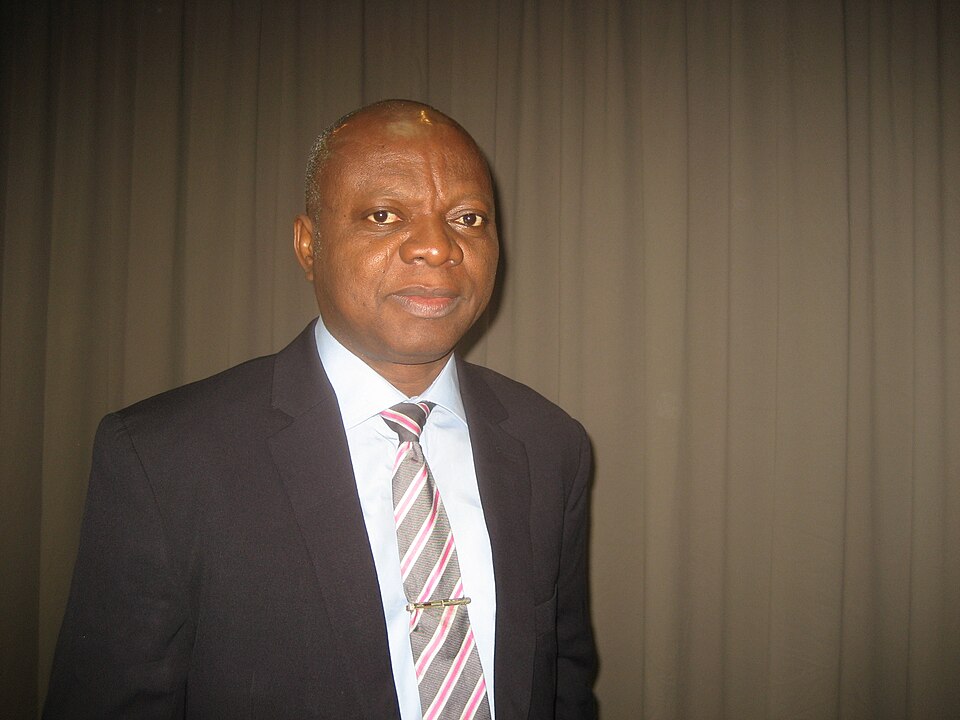
In a dramatic convocation lecture that has set tongues wagging, former University of Ibadan Vice-Chancellor, Prof. Idowu Olayinka, has sounded the alarm over what he calls the “abysmal” pay of Nigerian university lecturers. According to Olayinka, Nigerian academics are languishing at the bottom of the pay scale in Africa, a situation he blames for the endless strikes that have crippled the nation’s universities.
Speaking at Adekunle Ajasin University, Akungba Akoko, Ondo State, Olayinka painted a bleak picture of Nigeria’s higher education sector. He rattled off a laundry list of problems: poor funding, shoddy service delivery, an ageing workforce, and, of course, the notorious strikes by the Academic Staff Union of Universities (ASUU). But his main target? The government’s “failure” to pay lecturers what he thinks they deserve.
Olayinka didn’t mince words, warning that unless the government coughs up more money for lecturers and fixes campus infrastructure, the strikes will never end. He claimed the current salaries are so low they’re scaring away young talent and demoralizing those who stay.
To drive his point home, Olayinka rolled out some eyebrow-raising figures. He claimed a Nigerian professor with less than 10 years’ experience earns just $4,400 a year, while their South African counterparts rake in a whopping $57,471. Even professors in much smaller economies like Eswatini and Lesotho reportedly earn far more. Olayinka seemed shocked that Nigeria, “Africa’s largest economy,” is lagging behind countries like Sierra Leone and Comoros when it comes to paying its academics.
“A nation that impoverishes its teachers undermines its future,” Olayinka declared, in a statement clearly designed to provoke. He accused the government of dishonouring scholars and warned that intellectuals “cannot be caged.”
Olayinka called for a total overhaul of the system: better pay, more funding, and a transparent hiring process for new lecturers. He also wants more training opportunities and the use of modern technology in teaching and research. He even suggested that retired professors should keep supervising students for years after leaving the job, to “ensure continuity.”
He didn’t stop there. Olayinka demanded more use of emeritus and adjunct professors, better maintenance of facilities, and new equipment for research. The message was clear: the government must spend, spend, spend,or risk losing its best brains to other countries or sectors.
Prof. Olugbenga Ige, Vice-Chancellor of Adekunle Ajasin University, jumped on the bandwagon, praising Olayinka’s “visionary” ideas and calling the lecture a wake-up call for authorities.
The issue of poor pay for lecturers is nothing new, but Olayinka’s sensational claims have reignited the debate. With ASUU strikes regularly shutting down universities, students and parents are left in the lurch, and public trust in the system is at an all-time low. Critics say unless the government acts fast, Nigeria’s universities could face a mass exodus of talent.
As the controversy rages on, Olayinka’s fiery speech has put the spotlight back on the government’s handling of university funding and staff welfare. Will anything change, or is this just another round of finger-pointing? Only time will tell.