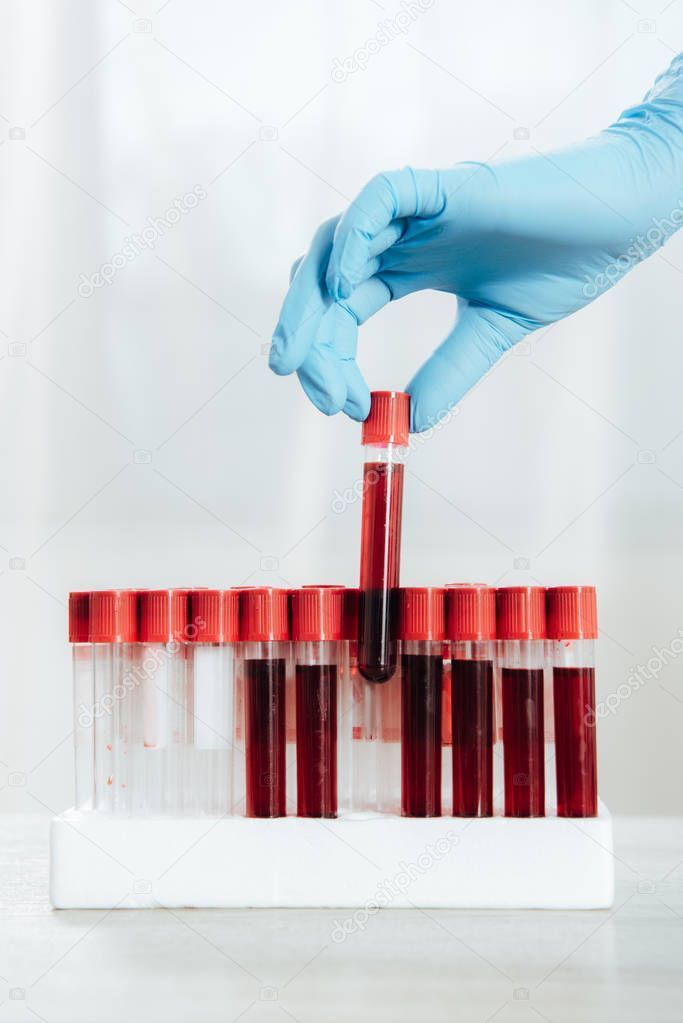
Genotypes and blood groups are important genetic characteristics that determine inherited traits and blood compatibility, yet many people hold incorrect beliefs about how they are inherited and interpreted.
Many individuals misunderstand the relationship between genotype inheritance and blood group compatibility, leading to myths and false assumptions.
Many people mistakenly use “genotype” and “blood group” interchangeably, not realizing they refer to two completely different aspects of our biological makeup. This misunderstanding can lead to serious health risks, especially in marriage, pregnancy, and during medical emergencies. A proper understanding of genotypes and blood groups is essential for informed decisions about health, marriage, and blood transfusion.
Now that we know misunderstanding occurs and the dangers they might lead to, we'll begin with breaking down the major concepts in this topic. Then gradually unfold the other branches for deeper understanding.
What is Genotype?
Genotype is the genetic makeup of an individual cell or organism that determines or contributes to its phenotype. The phenotype of an organism describes the physical or physiological features of an organism and is the consequence of the expression of the genotypes.
However, the genotype is not the only factor that will determine an individual’s phenotype. Various environmental factors also have a role, and these influence the expression of the genes to determine the distinctive phenotype of an organism.
Your genotype refers to the specific hemoglobin genes you inherit from your parents. These genes determine your risk for inherited blood disorders, especially sickle cell disease.
What is Blood Group?
Blood groups are classifications of blood based on inherited antigens on red blood cells, primarily using the ABO and Rh systems to determine compatibility for transfusions. Your blood group describes the type of blood you have, determined by the presence or absence of certain antigens on your red blood cells.
The most common human hemoglobin genotype is AA (normal hemoglobin), followed by AS (sickle cell trait carrier), which is frequent in African populations. Other hemoglobin genotypes include SS (sickle cell disease), AC (hemoglobin C trait), and SC. These genotypes define an individual’s genetic makeup regarding sickle cell risk.
The eight main blood types—A+, A-, B+, B-, O+, O-, AB+, and AB- are determined by the presence of A/B antigens and the RhD factor, with O- being the universal donor and AB+ the universal recipient.
We now know these two concepts are different, but do we really know their importance, common myths they're surrounded by, and necessary measures to be taken? Look forward to the next post.
Science might seem complex, but we'll make it a piece of cake by educating ourselves with accurate information without having to burn out from its comprehension.