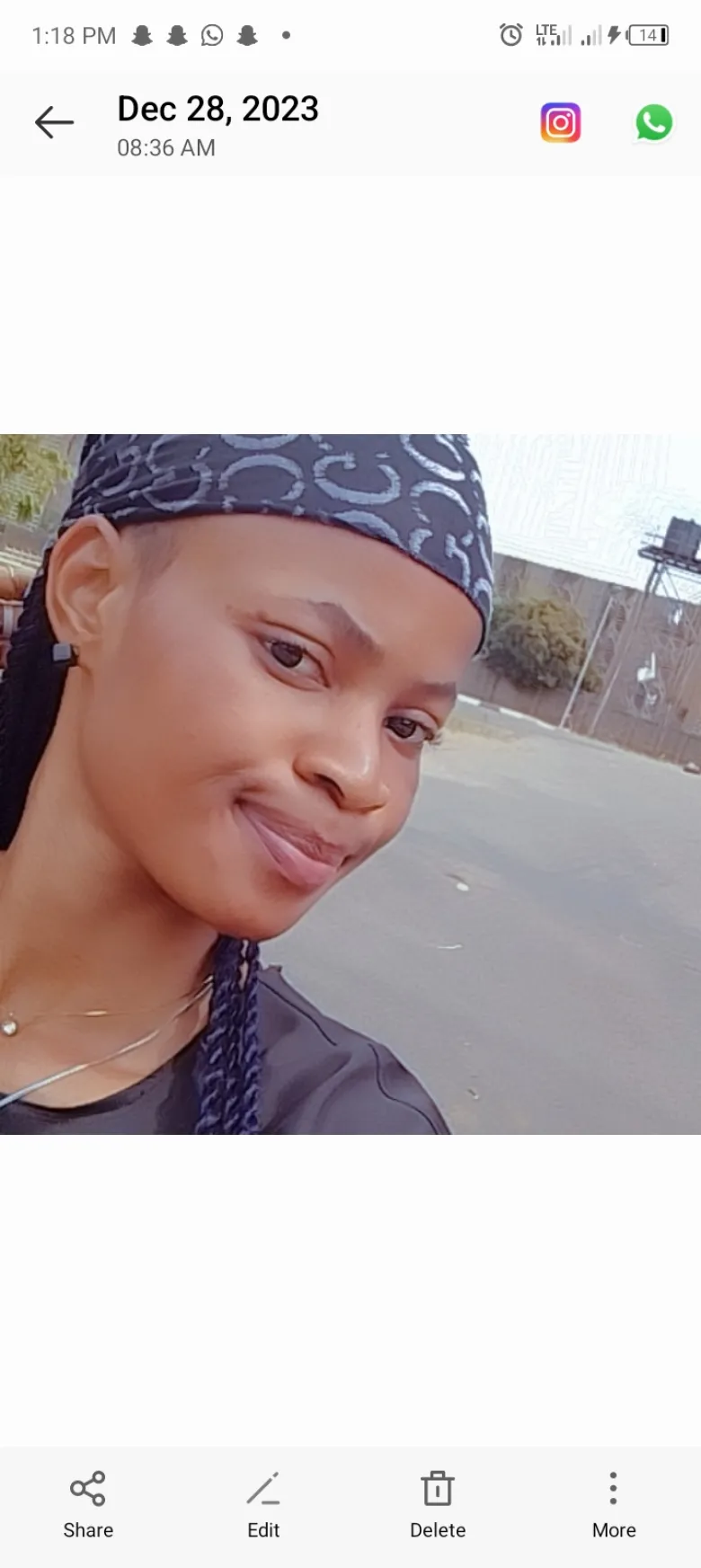
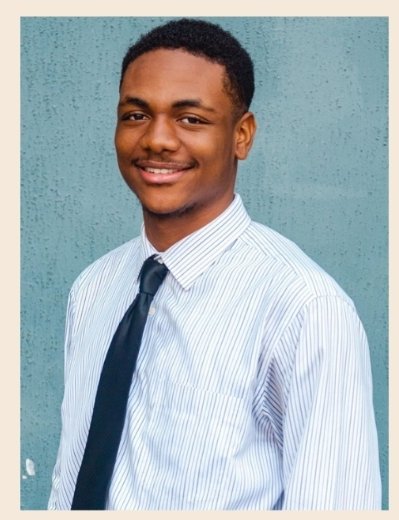
The Nigerian Police Force has ignited a firestorm of debate with the arrest of popular prankster Ubani Zion Chibuike, known as ZFancy, in connection with controversial viral videos allegedly depicting heinous crimes, including rape. ZFancy was apprehended at an apartment in the Wuye area of Abuja by the NPF National Cybercrime Centre, as confirmed by police spokesman Muyiwa Adejobi.
The arrest has sparked outrage and heated discussions on social media, where many argue that the police are overstepping their bounds and infringing on artistic expression. ZFancy's supporters claim that the videos, though provocative, were clearly staged and intended as social experiments or publicity stunts to revive his online presence after a break. Critics, however, insist that the nature of the pranks crossed ethical boundaries and had real-world consequences, inciting fear and potentially encouraging criminal behavior.
In a statement, the police condemned the videos for causing significant distress among social media users and stressed that such actions have serious implications. The authorities stated that they are committed to maintaining public safety and ensuring accountability for actions that incite fear or disrupt public peace. This stance, however, has been met with accusations of censorship and authoritarianism from various quarters.
The police further warned pranksters and content creators to be law-abiding and mindful of the potential threats their content could pose to public security. This caution has been interpreted by some as an attempt to stifle creativity and silence dissenting voices under the guise of maintaining order.
As the debate rages on, the arrest of ZFancy has become a lightning rod for broader discussions about freedom of expression, the limits of humor, and the role of law enforcement in regulating online content.