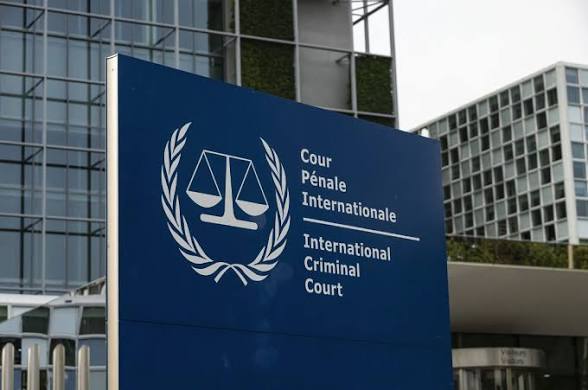
The International Criminal Court has expressed deep concern over the decision by Mali, Burkina Faso and Niger to withdraw from its founding treaty, warning that the move threatens hard-won progress in the fight against impunity for grave international crimes.
The three military-led West African states, which have each experienced coups and prolonged insecurity, formally notified the court of their intention to leave after denouncing it as an instrument of neo-colonial repression serving foreign interests. Their coordinated exit follows years of strained relations with Western partners and growing security cooperation with alternative allies.
Based in The Hague, the ICC is the only permanent international tribunal mandated to prosecute individuals for genocide, war crimes, crimes against humanity and the crime of aggression. Its jurisdiction depends largely on the cooperation and consent of member states, making withdrawals particularly sensitive for the court’s credibility and reach.
In a statement, the ICC’s Assembly of States Parties, which brings together the governments that have ratified the Rome Statute, said it regretted the departure of Mali, Burkina Faso and Niger. The body warned that countries turning their backs on the court risk undermining the collective pursuit of justice and weakening global efforts to hold perpetrators of the gravest crimes accountable.
Rights advocates note that all three Sahel states have faced allegations of serious abuses by both armed groups and security forces amid conflicts with jihadist insurgencies and intercommunal violence. Membership in the ICC had offered at least a theoretical avenue for victims to seek redress when national systems proved unwilling or unable to prosecute powerful actors.
The three governments, which also withdrew from the regional bloc ECOWAS, have instead deepened their political and security alignment through the Alliance of Sahel States, a pact presented as a framework for mutual defence and sovereignty. Their leaders argue that international justice mechanisms have been selectively applied and insufficiently attentive to African concerns.
The ICC currently counts 125 member states, with the vast majority from Africa, Latin America, Europe and the Pacific. However, several influential powers, including China, India, Russia, the United States and Israel, remain outside the court, fuelling longstanding accusations of uneven enforcement and geopolitical double standards.
Legal experts warn that the Sahel withdrawals could embolden other governments facing scrutiny, while leaving victims in conflict zones with even fewer avenues to seek accountability for atrocities.