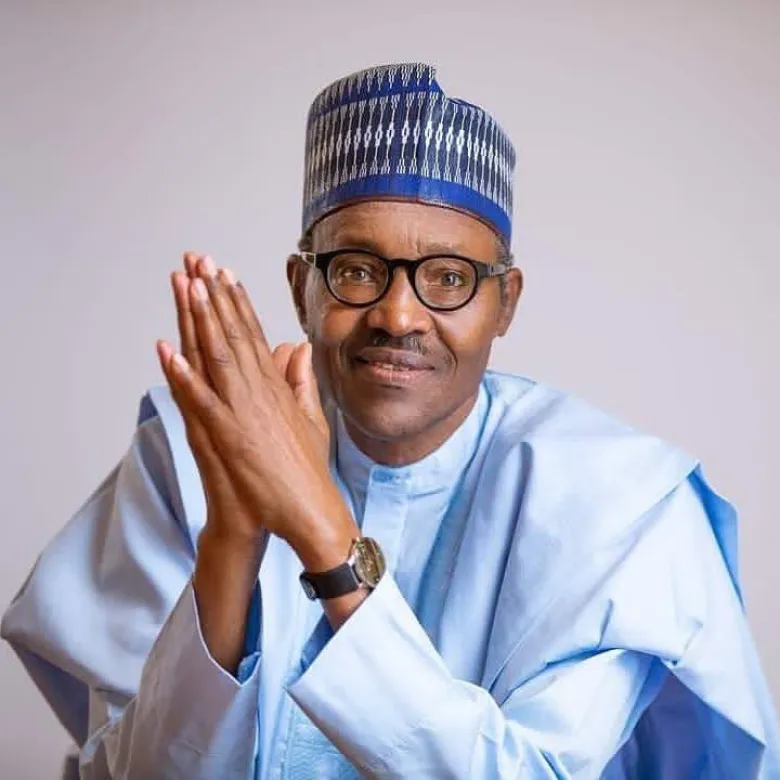
Nigeria is in mourning following the death of former President Muhammadu Buhari, who passed away at the age of 82 on July 13, 2025, in a London clinic after a prolonged battle with health complications. His death was confirmed in a statement released by his family and later by the Nigerian Presidency.
Born on December 17, 1942, in Daura, Katsina State, Buhari stood as one of Nigeria’s most enduring political figures. His leadership journey began in the military, rising to become Head of State from 1983 to 1985, before returning to power in 2015 as a democratically elected president. He held office for two consecutive terms until 2023. Known for his staunch anti-corruption stance, focus on security, and efforts to rebuild the economy, Buhari remained a polarizing figure throughout his political career, drawing both reverence and criticism.
In response to the news, President Bola Tinubu declared a week-long national mourning period. Flags were ordered flown at half-mast across the country, while Vice President Kashim Shettima was dispatched to the United Kingdom to coordinate the return of Buhari’s body to Nigeria.
On July 15, Buhari’s remains were flown into Abuja aboard a presidential aircraft, accompanied by members of his family and a high-level government delegation. Upon arrival, his body was taken directly to the National Mosque in Abuja, where Salat al-Janazah (Islamic funeral prayers) were performed in a private ceremony attended by religious leaders, family members, and senior government officials. In keeping with his wishes, the rites were simple and dignified.
Later the same day, a military convoy transported the late statesman’s body to his hometown of Daura, Katsina State. At the central mosque, hundreds of mourners gathered to observe a final round of prayers. Security was tight, but the mood remained calm and reflective.
The burial followed immediately at his private residence in Daura. The modest ceremony was attended by close family members, community elders, and select dignitaries including President Tinubu, Guinea-Bissau’s President Umaro Sissoco Embaló, and former Vice President Yemi Osinbajo. As tradition dictated, a final military salute was rendered. The national flag draped over Buhari’s coffin was ceremoniously folded and handed over to his family before his body was laid to rest in the soil of his ancestral home.
Throughout the day, tributes flowed in from across Nigeria and beyond. African Union leaders, former heads of state, international diplomats, and state governors extended their condolences to the Buhari family and the Nigerian people. Many praised his disciplined leadership and firm stance on governance, while others reflected on the deep national debates sparked during his tenure. Despite differing views, a shared acknowledgment emerged: Buhari’s presence shaped the arc of Nigeria’s post-independence journey.
To mark his passing, Tuesday, July 15, was declared a national public holiday.
Muhammadu Buhari is survived by his wife, children, and grandchildren. His legacy, etched in both admiration and critique, remains a significant chapter in Nigeria’s evolving democratic history.