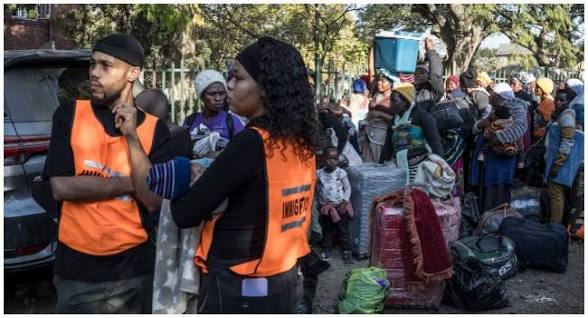
Thousands of Malawian nationals are marooned in temporary shelters across South Africa as anxiety mounts over an unofficial deadline set by anti-migrant groups demanding that undocumented foreigners leave the country.
Humanitarian workers and community leaders report that makeshift camps have sprung up on the outskirts of major cities and in smaller towns, housing Malawians who fled their homes after a surge in anti-immigrant sentiment and sporadic violence. Many arrived with only the clothes they were wearing, seeking safety while they wait for transport back to Malawi or for clarity on their legal status.
South African and Malawian officials say more than 15,000 Malawians have already been processed for repatriation, most of them informal workers who lacked valid residence or work permits. Buses and chartered vehicles have been arranged in phases, but the pace of departures has lagged behind the growing number of people seeking to leave.
In the camps, conditions are deteriorating. Aid groups describe overcrowded tents, limited access to clean water and inadequate sanitation. Families share thin mattresses or sleep on bare floors, while volunteers struggle to provide enough food. Parents worry about disease outbreaks and the psychological toll on children who have witnessed threats, assaults or the destruction of their homes and market stalls.
The current crisis follows weeks of anti-immigrant protests and targeted attacks that left at least three people dead, including two Mozambicans and one Malawian, and forced many foreign nationals to abandon their jobs and businesses. Activist networks and church groups have documented cases of intimidation, looting and assaults in several townships.
South African authorities have publicly condemned the violence and vowed to prevent vigilante action. Police have increased patrols in known flashpoints and warned that anyone enforcing the anti-migrant deadline or attacking foreign nationals will face arrest and prosecution. Officials insist that immigration enforcement must remain a state function, not a tool for mob justice.
The standoff underscores deepening tensions over jobs, inequality and migration in Africa’s most industrialised economy. With unemployment stubbornly high and living costs rising, foreign workers are frequently blamed for economic hardship, despite studies showing they often fill low-paid, precarious roles shunned by locals.
For Malawians in the camps, however, the debate is painfully immediate. Many say they no longer feel safe in South Africa but fear returning home without savings or prospects. As negotiations continue between the two governments, thousands remain in limbo, caught between a hostile climate in their host country and uncertainty about what awaits them back in Malawi.