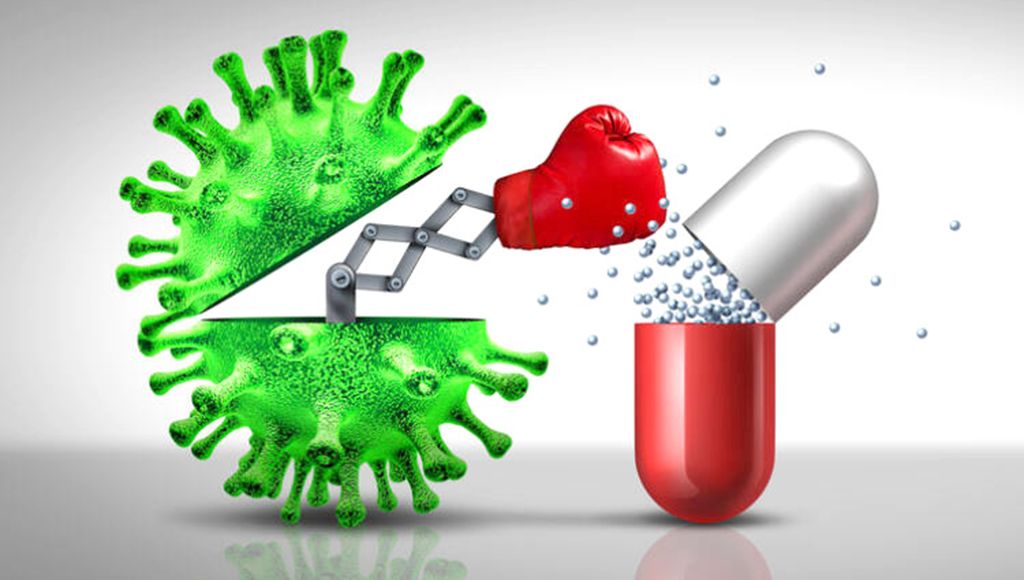
Antimicrobial resistance (AMR) is often described as “silent pandemic”, and for good reason. Unlike viral outbreaks that sweep through communities with visible symptoms, AMR grows in the background unseen, underestimated and dangerously overlooked. Yet, its consequences are far-reaching. According to the World Health Organisation (WHO), antimicrobial resistance is responsible for over 1.27 million deaths annually, with millions more at risk from infections that no longer respond to treatment. As bacteria, viruses, fungi and parasites develop the ability to resist drugs designed to kill them, humanity inches closer to a post-antibiotic era one where minor wounds, routine surgeries, and common infections could once again become deadly.
A Growing Global Crisis
Antimicrobials especially antibiotics revolutionized modern medicine. They made complex surgeries possible, reduced maternal and infant mortality, and turned life-threatening infections into manageable conditions. However decades of misuse and overuse have allowed many microorganisms to evolve, adapt and fight back.
Today, infections that were once easily treatable such as urinary tract infections, respiratory infections, sexually transmitted infections, tuberculosis and typhoid are becoming increasingly difficult to manage. In some regions, doctors report cases of “superbugs” that resist all available antibiotics. This means patients are left with limited or no treatment options.
A report by the Lancet Commission warns that if AMR is not contained, the world could see up to 10 million deaths annually by 2050, surpassing deaths for cancer and diabetes combined.
What is Driving Antimicrobial Resistance?
1. Misuse of antibiotics by humans
Self-medication, incomplete doses and using antibiotics for viral infections such as colds, flu or COVID 19 are major contributors. In countries like Nigeria, where antibiotics are widely available without prescription, misuse has become common practice.
2. Overuse of agriculture
Farmers often use antibiotics to boost livestock growth or prevent infections in crowded farm conditions. Drug residues in meat, eggs and diary products expose humans to low, repeated doses of antibiotics fueling resistance over time.
3. Weak surveillance systems
Many African countries lack robust AMR monitoring systems, making it difficult to track emerging resistant strains or respond quickly.
4. Poor infection prevention and control
Hospitals with inadequate sanitation, overcrowding, and improper sterilization become breeding grounds or resistant germs.
5. Environmental contamination
Pharmaceutical waste, hospital waste and runoff from farms introduce antibiotics into water bodies and soil.
Nigeria’s Struggle with AMR
Nigeria is one of the countries with the highest burden of antimicrobial resistance in Africa. Several studies reveals frightening realities:
• Over 70% of Nigerians self-medicate with antibiotics.
• Pharmacies and chemist shops often dispense antibiotics without proper diagnosis.
• Resistance strains of typhoid, tuberculosis, gonorrhea, and staphylococcus aureus are increasingly common.
• Many hospitals struggle with infection control due to infrastructural challenges.
• Routine laboratory testing is often skipped because of cost, making it harder for doctors to prescribe the right drugs.
This results in more prolonged illnesses, prolonged hospital stays and rising healthcare costs for families already struggling financially.
Real-Life Impact: When Medicines Fail
Twenty-four year old Halima, a final year student at a Nigerian University, thought she had a simple urinary tract infection. After buying antibiotics from local drug store, she expected to get better in a few days. Instead her symptoms worsened. When she eventually reached the hospital, tests showed she had a drug-resistant bacterial infection.
“It was scary”, she said. “The doctor told me that bacteria was resistant to almost everything I had taken”.
Halima spent two weeks in the hospital on intravenous antibiotic drugs that cost more than her entire monthly allowance.
Her story reflects the growing reality for many Nigerians.
Why Should We Care?
Antimicrobial resistance is not a distant threat. It affects:
• Pregnant women - who may face life-threatening infections before or after childbirth
• Children - especially newborns, who are highly vulnerable.
• Surgical patients – routine procedures like Caesarean sections, appendectomies or knee replacements could become fatal.
• Farmers – whose livestock may suffer infections that are harder and more expensive to treat.
• The general population – as resistant infections spread easily in communities, schools, markets and public transport means.
AMR also threatens the economy. The World Bank estimated that by 2050, global GDP could fall by 3.8% due to drug-resistant infections.
What Is Being Done?
Governments and global organizations are responding:
• WHO’s Global Action Plan on AMR encourages countries to reduce misuse.
• Nigeria established the National Action Plan (NAP) on AMR 2017-2022, with strategies on surveillance and awareness.
• Some hospitals are adopting antimicrobial stewardship programs guidelines that help doctors prescribe responsibly.
• Awareness cam