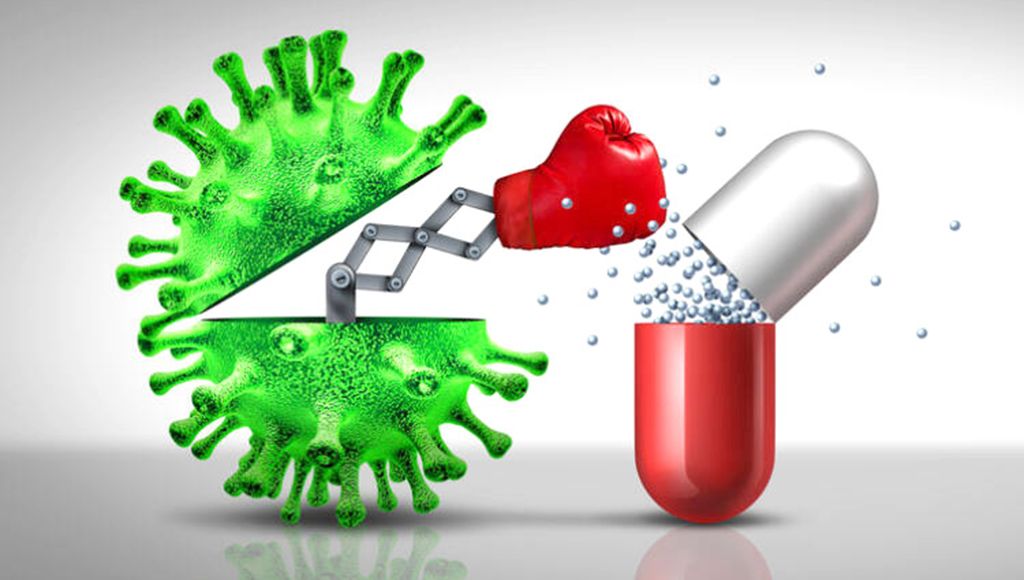
Antimicrobial resistance (AMR) is increasingly referred to as a silent pandemic, and for good reason. Unlike disease outbreaks that spread rapidly with visible symptoms, AMR develops quietly and steadily, often unnoticed until treatment fails. According to the World Health Organization (WHO), antimicrobial resistance causes over 1.27 million deaths globally each year, with millions more at risk from infections that no longer respond to available drugs. As bacteria, viruses, fungi, and parasites evolve to resist medicines designed to eliminate them, the world edges closer to a post-antibiotic era where minor injuries, routine surgeries, and common infections could once again become fatal.
Antimicrobials, particularly antibiotics, revolutionized modern medicine. They made complex surgeries safer, reduced maternal and infant mortality, and transformed once-deadly infections into manageable conditions. However, decades of misuse and overuse have allowed microorganisms to adapt and survive these drugs. Today, infections such as urinary tract infections, respiratory infections, tuberculosis, typhoid fever, and sexually transmitted infections are becoming increasingly difficult to treat. In some regions, health professionals now encounter superbugs that resist nearly all available antibiotics.
The scale of the crisis is alarming. The Lancet Commission warns that if antimicrobial resistance is not urgently controlled, it could lead to up to 10 million deaths annually by 2050, surpassing the combined global death toll from cancer and diabetes.
Several factors drive the spread of antimicrobial resistance. One of the most significant is the misuse of antibiotics by humans. Self-medication, incomplete treatment, and the use of antibiotics for viral infections such as colds, flu, or COVID-19 all contribute to resistance. In Nigeria, where antibiotics are often sold without prescriptions, misuse is widespread. Another major contributor is the overuse of antibiotics in agriculture. Farmers frequently administer antibiotics to livestock to promote growth or prevent disease, exposing humans to drug residues through food consumption.
Weak surveillance systems further worsen the problem. Many African countries lack effective monitoring frameworks to detect resistant strains early. Poor infection prevention and control in hospitals, including overcrowding, inadequate sanitation, and improper sterilization, also allow resistant organisms to thrive. Environmental contamination from pharmaceutical waste, hospital effluents, and agricultural runoff introduces antibiotics into water and soil, accelerating resistance.
Nigeria faces one of the highest antimicrobial resistance burdens in Africa. Studies show that over 70 percent of Nigerians self-medicate with antibiotics, while pharmacies often dispense these drugs without proper diagnosis. Resistant strains of typhoid, tuberculosis, gonorrhea, and Staphylococcus aureus are increasingly reported. Many hospitals struggle with infection control, and laboratory testing is frequently skipped due to cost, leading to inappropriate prescriptions. These challenges result in prolonged illnesses, extended hospital stays, and rising healthcare costs for families.
The human impact of antimicrobial resistance is evident in real-life experiences. Halima, a 24-year-old university student, believed she had a simple urinary tract infection. After purchasing antibiotics from a local drug store, her condition worsened. Hospital tests later revealed a drug-resistant infection. She spent two weeks on costly intravenous antibiotics, highlighting how easily common infections can become medical and financial crises.
Antimicrobial resistance affects everyone. Pregnant women face increased risks during childbirth, children are especially vulnerable, and routine surgical procedures could become dangerous. Farmers also suffer as livestock infections become harder and more expensive to treat. Beyond health, AMR poses a serious economic threat. The World Bank estimates that by 2050, drug-resistant infections could reduce global GDP by up to 3.8 percent.
Efforts to combat AMR are ongoing. The WHO’s Global Action Plan encourages responsible antibiotic use and improved surveillance. Nigeria has implemented a National Action Plan on AMR, while some hospitals now adopt antimicrobial stewardship programs. Public awareness campaigns are also growing, particularly during World Antimicrobial Awareness Week. However, enforcement remains weak, especially at the community level.
Although antimicrobial resistance cannot be completely reversed, it can be controlled. This requires responsible antibiotic use, improved hospital hygiene, investment in new drug research and vaccines, regulation of drug sales, and education for both healthcare providers and farmers.
If decisive action is not taken, the world risks returning to a time when simple infections are deadly. Antimicrobial resistance is not just a medical issue but a social, economic, and developmental challenge. Protecting the future of medicine begins with protecting the drugs that once saved humanity. The fight against AMR is a race against time, and time is running out.