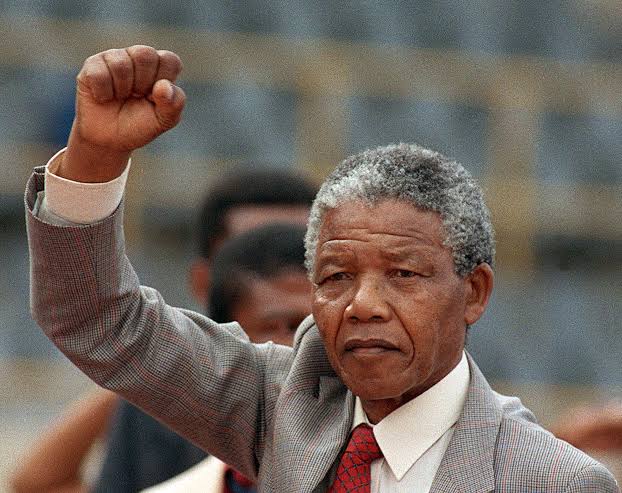
Nelson Rolihlahla Mandela was born in a small village where the land was wide and the future seemed narrow. As a young boy, he listened carefully when elders spoke, learning that dignity did not come from power, but from responsibility. Even then, he noticed the quiet injustice around him—how some voices carried weight while others were ignored.
As he grew older, Mandela’s world expanded, and so did his awareness. In the cities of South Africa, laws divided people by the color of their skin. These laws were enforced not just with weapons, but with fear. Mandela chose to study law, believing that understanding the system was the first step toward changing it. Each case he took showed him how deeply unfairness was woven into everyday life.
Speaking out came with a price. Mandela was watched, threatened, and finally arrested. When he was sentenced to life imprisonment, the courtroom fell silent. Many believed his story was ending. Instead, it was only entering its hardest chapter.
Prison was meant to break him. His cell was small, his labor exhausting, and his freedom taken away. Years passed slowly on Robben Island, marked by cold mornings and endless routine. Mandela felt anger, sorrow, and loneliness, but he refused to let hatred take root. He realized that if his spirit was imprisoned too, then the struggle would truly be lost.
Inside those walls, Mandela began to transform his suffering into strength. He listened to others, even his guards, learning that fear and ignorance chained them as well. He read, reflected, and disciplined his thoughts. Though his body aged in prison, his vision grew clearer: freedom was meaningless unless it included everyone.
Outside, the world changed. Voices rose demanding justice, and Mandela’s name became a symbol of resistance and hope. After 27 years, the prison gates finally opened. Mandela stepped into the sunlight, not as a broken man, but as one who had mastered his pain.
Many expected revenge. Instead, Mandela chose reconciliation. He spoke of unity in a nation deeply divided, urging people to face the past without being trapped by it. As South Africa’s first Black president, he led with humility, proving that true power lies in forgiveness and courage.
Nelson Mandela overcame not by defeating his enemies, but by refusing to become like them. His struggle taught the world that even in the darkest conditions, the human spirit can choose dignity, patience, and hope—and in doing so, change history.