INSECURITY IN NIGERIA: A BILLION-DOLLAR INDUSTRY?
By:
Abubakar Basiru (Teacher)
June 6, 2026
Today, my pen bleeds with emotions of anger, fear, and frustration. No matter how one chooses to view it, Nigeria has continued to fail its citizens in many critical areas, particularly in the protection of lives and property—one of the most fundamental responsibilities of any government.
From kidnapping and banditry to mass killings; from Boko Haram to Lakurawa and ISIS-linked terrorist activities, the headlines dominating Nigerian media are increasingly filled with stories of bloodshed and tragedy. Terror has become a recurring feature of daily life in a nation that promises security, peace, and a better future for its people.
More than 200 million Nigerians continue to endure fear, uncertainty, and hardship. While citizens struggle to survive and communities live under constant threat, political conversations often appear to revolve around electoral calculations and power contests. This reality raises difficult questions: Do those entrusted with public office truly understand the depth of the suffering faced by ordinary Nigerians?
The questions remain: Who is responsible for the persistent insecurity in Nigeria? Whose interests are served by a nation perpetually trapped in fear and instability? How long will Nigerians continue to live under the shadow of violence? Why has a challenge that has persisted for years remained largely unresolved despite repeated promises, strategies, and interventions?
For many citizens, these questions have become impossible to ignore. The situation has reached a point where suspicion, frustration, and distrust continue to grow. Some Nigerians now wonder whether insecurity has evolved beyond a mere security challenge into an ecosystem that benefits certain individuals and groups—directly or indirectly—while innocent citizens bear the consequences.
When the political class perceives a threat to its interests, institutions often respond swiftly and decisively. This observation naturally leads many citizens to ask: If the machinery of government can be mobilized effectively in some situations, why does insecurity continue to claim lives across the country with such devastating frequency?
From the administration of President to that of President , Nigerians have witnessed years of promises, policies, and security operations. While efforts have been made, many citizens remain unconvinced that enough has been done to restore lasting peace and security.
As the 2027 general election approaches, the lessons of the past must not be ignored. Citizens must recognize the value of their votes and the weight of their decisions. A bag of rice or a carton of spaghetti cannot compensate for the loss of a brother, sister, father, mother, or neighbour. The choices made at the ballot box today will shape the realities of tomorrow.
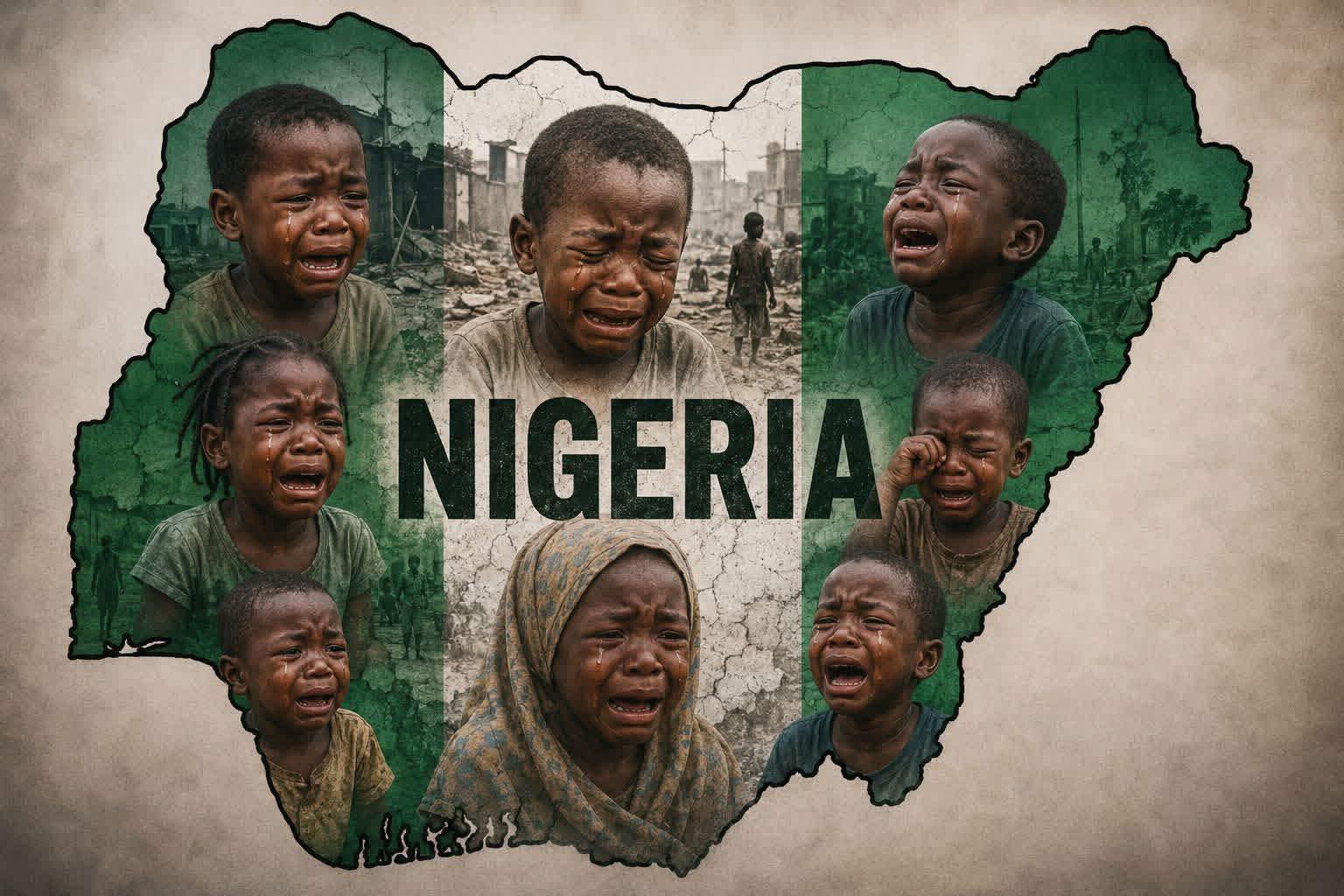
This is neither a religious battle nor a partisan struggle. It is a human one. Every life lost diminishes us as a nation. Every community displaced weakens our collective future. Every child denied the opportunity to live without fear is a reminder that the cost of insecurity extends far beyond statistics.
As citizens, we must rise above ethnic, religious, and political divisions. We must demand accountability, support initiatives that promote peace, and make decisions that safeguard the future of generations yet unborn. The survival and progress of Nigeria depend not only on the actions of government but also on the collective resolve of its people to insist on a nation where security is not a privilege, but a right.
Nigeria belongs to all of us. If we fail to protect it, we risk losing far more than our peace—we risk losing our future.