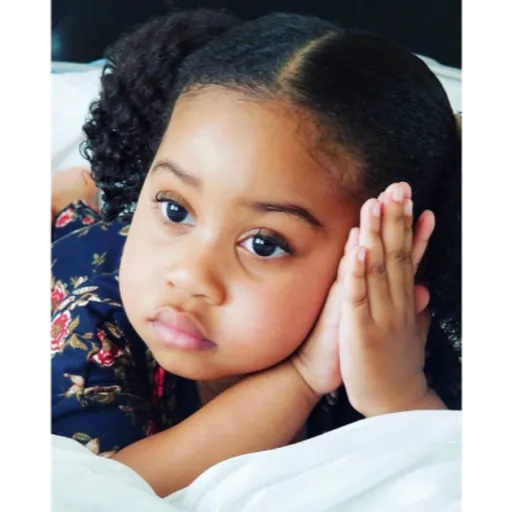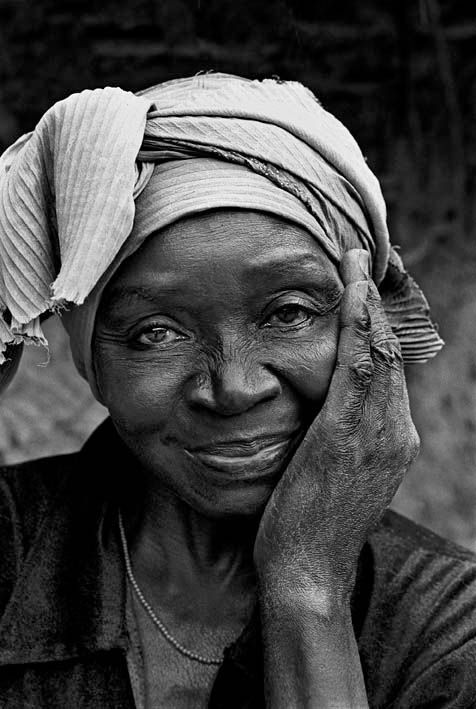
In a generation that worships youth, faces with Botox, lip fillers, implants, and plastic surgery have become the standard, while those who age naturally are treated like anomalies. While some people get cosmetic work done to correct imperfections, many do it to distort the natural phenomenon of life, ageing. The concept of getting old, wrinkled, and faded is unimaginable to some, which is why they turn to procedures that promise to smooth wrinkles, tighten skin, erase time from their faces, and preserve the illusion of youth.
Here is the uncomfortable truth, anti-ageing is now an industry, not a beauty choice. It goes far deeper than what we see on social media or in the entertainment world. All of it is driven by one fear "I do not want to look like time is passing." Ageing is natural. Wrinkles mean you laughed. Grey hair means you lived. Sagging skin means you survived time. Yet many of the people who undergo the most procedures do not even look younger. They simply look synthetic.
Medically, the fear of ageing is known as gerascophobia. It is less about the number of years a person has lived and more about the fear of what ageing represents: loss, weakness, invisibility, and decline. People are not afraid of getting older. They are afraid of looking and feeling old. No one wants to feel fragile, disposable, or powerless, or to watch their body slowly change into something society no longer celebrates.
It hurts to see that society has made changing one’s appearance completely normal, putting pressure on young people to believe that to be considered pretty, they must become unrecognisable. Our face and body are part of our identity and history, and we need to remember that we are likely the living reflections of our ancestors.
Beauty standards are not real. They are rules made by society to make us doubt the beauty of our natural physical appearance. The truth remains ageing is not a flaw to be corrected. We should strive to enjoy our youth to the fullest, in its natural state. There is a saying: “We are one day closer to our death.” It reminds us that ageing is a beautiful privilege, because without it, we would have no stories to tell from our youth.
And so, ageing is not ugly. It is evidence of time and survival.