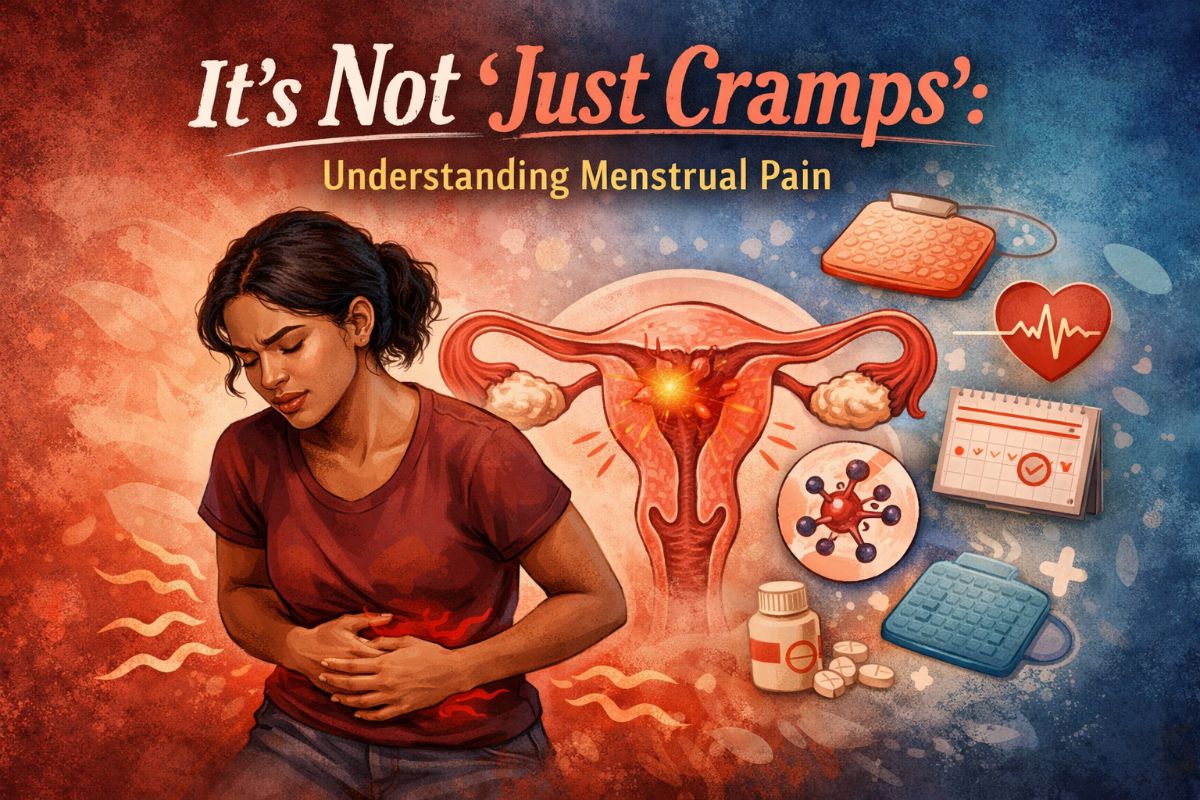
It’s Not ‘Just Cramps’: Understanding Menstrual Pain
Menstrual cramps are a normal part of the menstrual cycle for many people, yet they remain one of the most misunderstood aspects of reproductive health. Often dismissed as a minor inconvenience, period cramps can range from mild discomfort to severe pain that disrupts daily activities. Understanding what causes them, what symptoms are normal, and how they can be managed is essential for better menstrual health.
What Causes Period Cramps?
Period cramps, medically known as dysmenorrhea, occur due to the natural processes that prepare the body for menstruation. During a menstrual cycle, the uterus builds a lining in anticipation of pregnancy. When pregnancy does not occur, the body sheds this lining, leading to menstruation.
To help expel the lining, the uterus contracts. These contractions are triggered by prostaglandins, chemical substances produced in the uterine lining. High levels of prostaglandins cause stronger uterine contractions, which can reduce blood flow to the uterus and result in pain.
Some common causes and contributing factors include:
- High prostaglandin levels
- Hormonal changes before and during menstruation
- Stress and fatigue
- Underlying medical conditions such as endometriosis or fibroids
Early onset of menstruation
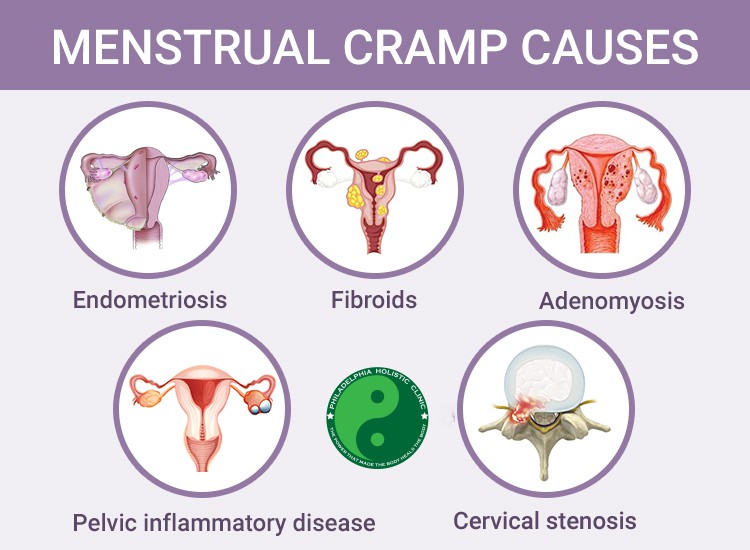
While mild cramps are considered normal, severe or persistent pain may indicate an underlying condition and should not be ignored.
Normal Symptoms That May Accompany Period Cramps
Period cramps often come with other physical and emotional symptoms. These symptoms vary from person to person and even from cycle to cycle. Common and generally normal symptoms include:
-Lower abdominal pain or pressure
-Lower back pain
-Thigh or hip discomfort
-Bloating
-Headaches
-Nausea
-Fatigue
-Mood changes or irritability
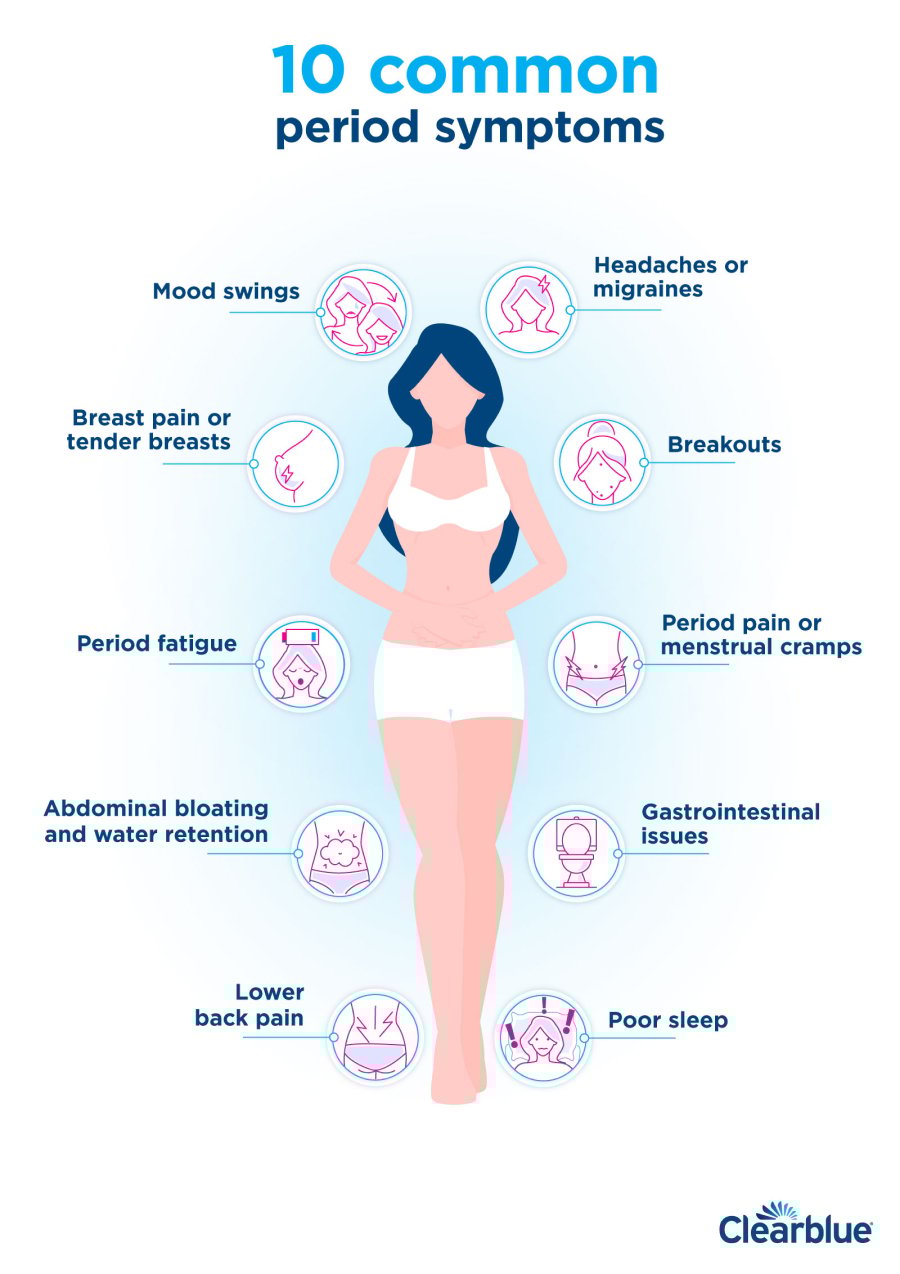
Experiencing these symptoms occasionally is normal. However, when symptoms become intense or interfere with daily life, medical attention may be necessary.
Ways to Prevent or Reduce Period Cramps
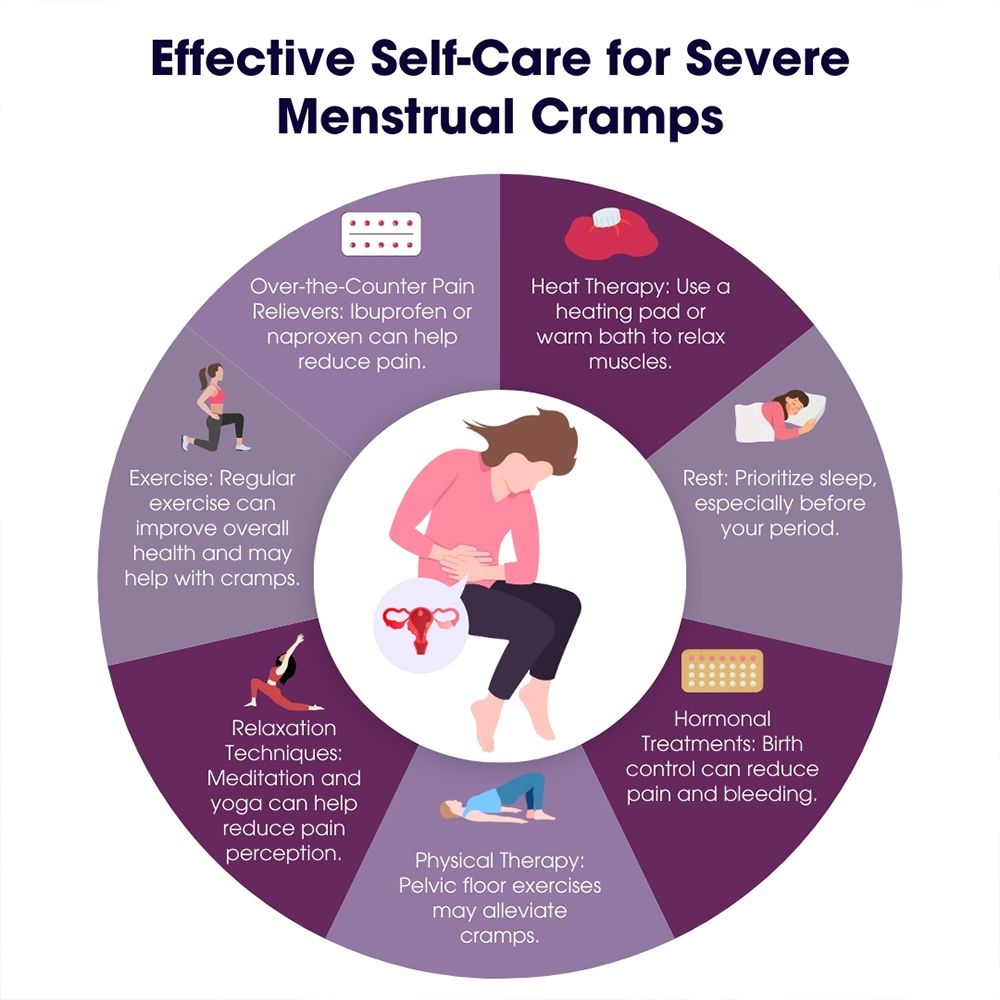
Although period cramps cannot always be completely avoided, several scientifically supported methods can help reduce their intensity and frequency.
1. Heat Therapy
Applying heat to the lower abdomen helps relax uterine muscles and improve blood flow. Heating pads, warm water bottles, or warm baths are commonly effective.
2. Regular Physical Activity
Exercise improves blood circulation and releases endorphins, which are natural pain relievers. Light activities such as walking, stretching, or yoga can be particularly helpful during menstruation.
3. Balanced Nutrition
Eating a healthy diet rich in fruits, vegetables, whole grains, and adequate water can help regulate hormones and reduce inflammation. Reducing excessive caffeine, salt, and sugary foods may also ease symptoms.
4. Adequate Rest and Stress Management
Stress can worsen menstrual pain. Proper sleep, relaxation techniques, and mindful breathing can help the body cope better during menstruation.
5. Pain Relief Medication (When Necessary)
Over-the-counter pain relievers can reduce prostaglandin production and ease cramps. These should be used responsibly and according to medical advice.
6. Medical Consultation for Severe Pain
If cramps are unusually severe, prolonged, or accompanied by abnormal bleeding, consulting a healthcare professional is important to rule out conditions such as endometriosis or fibroids.
Why Understanding Period Cramps Matters
Menstrual pain is not a weakness, nor is it something to endure in silence. Understanding the causes and symptoms of period cramps empowers individuals to make informed decisions about their health and seek help when necessary. Open conversations and accurate information help dismantle myths and promote healthier attitudes toward menstruation.
Period cramps are a natural biological process — but pain should always be taken seriously. With proper awareness, lifestyle adjustments, and medical support when needed, menstrual health can be managed with dignity and understanding.