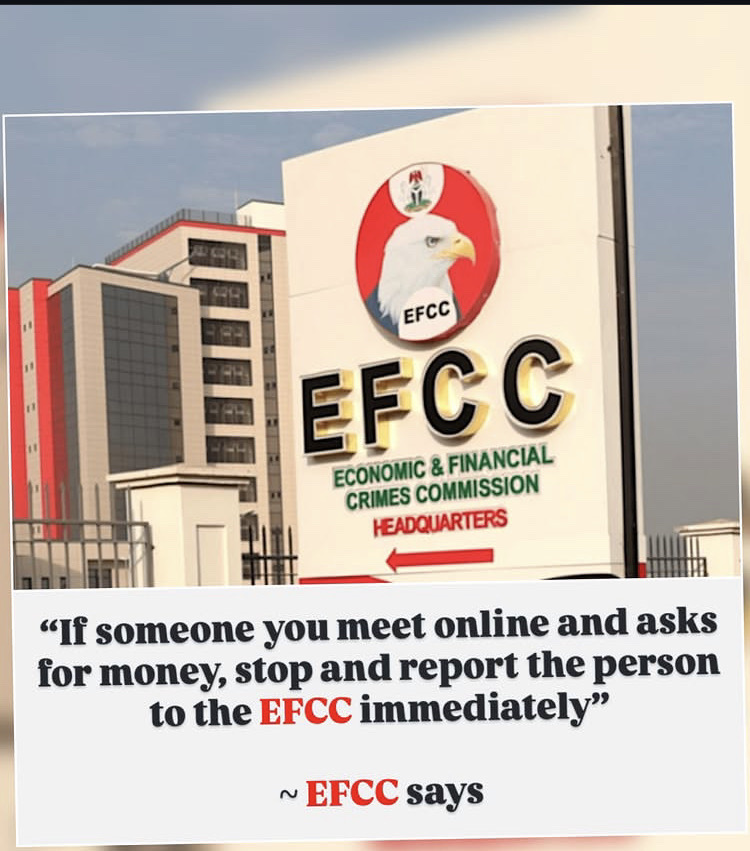
*THE GROWING DANGER OF INTERNET FRAUD AND ONLINE MISINFORMATION AMONG NIGERIAN YOUTHS: A CALL FOR DIGITAL LITERACY AND RESPONSIBLE USE*
*ABUJA* — The rapid growth of the internet in Nigeria has brought with it both opportunities and serious challenges. While millions of young Nigerians now use the internet for education, business, communication, and entertainment, experts have warned that the same platform is being used to perpetrate fraud and spread dangerous misinformation.
This concern was the focus of a two-day sensitization program organized by the National Information Technology Development Agency, NITDA, in collaboration with the Nigerian Communications Commission, NCC, and other stakeholders. The program, held at the NITDA office in Abuja on Tuesday and Wednesday, brought together students, teachers, media practitioners, parents, and cybersecurity experts to discuss how to protect Nigerian youths from online threats.
Declaring the event open, the Director General of NITDA stated that the internet has become the largest source of information in the 21st century. According to him, "The internet is no longer a luxury. It is now a necessity for learning, for business, and for national development. However, with this power comes great responsibility. We are seeing a rise in cybercrime, identity theft, phishing, and the deliberate spread of fake news."
He explained that internet fraud, popularly called "Yahoo Yahoo" and "Phishing," has cost Nigerians billions of naira in the last five years. He added that many of the victims are young people between the ages of 16 and 30 who are either desperate for quick money or simply lack knowledge of how to stay safe online.
"The internet gives you access to the world, but it also gives criminals access to you," he said. "That is why digital literacy must start from our secondary schools and universities."
*HOW YOUTHS ARE BEING TARGETED*
During a panel session, cybersecurity experts listed the common ways fraudsters target young Nigerians online. They include fake job adverts, fake scholarship offers, romance scams, investment fraud, and cloned bank websites.
One of the speakers, a cybersecurity analyst with NCC, said fraudsters now use social media platforms like Facebook, Instagram, TikTok, and WhatsApp to lure victims. "They will create a fake profile, use pictures of rich people, and promise you a job in Canada or Dubai. Once you pay for processing, they disappear," he explained.
He also warned about the spread of misinformation. "During elections, during health crises like COVID-19, and even during normal times, we see fake news spreading faster than the truth. People will see one post on WhatsApp and forward it to 20 groups without checking if it is true."
*PERSONAL EXPERIENCES SHARED*
Several participants shared their personal experiences at the program.
Miss Aisha Bello, a 300-level student of Mass Communication at the University of Abuja, said she lost ₦50,000 to an online scam last year. "I saw an advert on Instagram that said MTN was giving 10GB free data if I registered through a link. I clicked the link and entered my ATM details. The next morning, money was deducted from my account. I reported to my bank but they said it was too late," she said tearfully.
Another participant, Mr. Musa Ibrahim, a graduate who runs a small business, said he almost fell victim to a fake investment scheme on Telegram. "Someone added me to a group and said if I invest ₦20,000 I will get ₦100,000 in 3 days. Thank God my friend warned me. Later I found out it was all lies," he said.
A secondary school teacher, Mrs. Grace Okoro, said many students in her school now believe everything they see online. "They will see a video on TikTok and say it is true. We need to teach them how to fact-check," she added.
*ROLE OF REGULATORY BODIES*
Officials from NCC and NITDA said they are working together to reduce cybercrime. The NCC representative said the commission has a dedicated cyber security center that monitors fraudulent websites and phone numbers. "If you receive a suspicious message, forward it to 2442. We will investigate," he said.
NITDA said it has also launched a "Digital Literacy for All" campaign aimed at training 10 million Nigerians by 2027. The campaign will focus on teaching people how to create strong passwords, identify fake websites, and verify news before sharing.
The Director also called on parents to monitor what their children do online. "It is not enough to buy a phone for your child. You must also teach them how to use it. Talk to them about the dangers," he advised.
*THE MEDIA AND INFORMATION VERIFICATION*
Journalists at the event were also challenged to play their role in fighting misinformation. A senior editor with a national newspaper said the media must verify stories before publishing them. "We have a responsibility to give people accurate information. If the media shares fake news, then the public will believe it," he said.
He urged media organizations to partner with fact-checking organizations like Dubawa and FactCheckHub to verify viral stories before sharing them.
*RECOMMENDATIONS AND WAY FORWARD*
At the end of the program, stakeholders made several recommendations:
1. Digital literacy should be made a compulsory subject in all secondary schools and universities.
2. Government should strengthen laws against cybercrime and ensure quick prosecution of offenders.
3. Parents should be sensitized on how to guide their children on internet use.
4. Social media companies should do more to remove fake accounts and flag false information.
5. Youths should be encouraged to use the internet for productive purposes such as learning skills, starting businesses, and accessing educational resources.
In his closing remarks, the NITDA Director General said the future of Nigeria is digital. "We cannot run away from the internet. But we must learn t