Israel says it has killed two of Iran’s most senior security figures in a series of overnight airstrikes, a development that, if confirmed, would mark one of the most dramatic escalations in the long‑running shadow war between the two rivals.
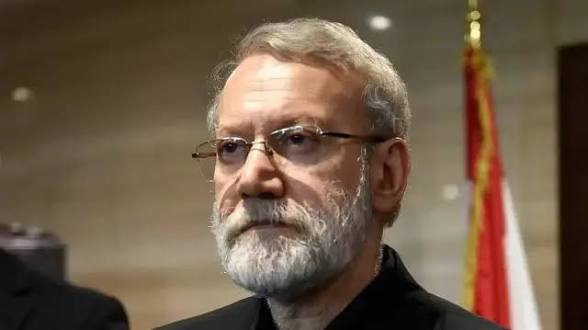
Israeli Defense Minister Israel Katz announced that Ali Larijani, a veteran power broker and former speaker of Iran’s parliament, and Gholam Reza Soleimani, commander of the Basij paramilitary force, were “eliminated” in targeted strikes. Israeli officials framed the operation as a preemptive move against what they described as an expanding Iranian campaign across the region.
Iranian state media, however, has not confirmed the deaths. Instead, outlets inside the country circulated what they said was a handwritten condolence letter from Larijani, apparently penned after the reported strike. The document has fueled confusion over his fate and highlighted the information war now running parallel to the military confrontation.
Larijani has long been considered one of the most influential figures in the Islamic Republic, straddling the conservative establishment and pragmatic factions. As a former nuclear negotiator and close adviser on strategic issues, his loss would be a severe blow to Iran’s policymaking core.
Soleimani, who headed the Basij, oversaw a force deeply embedded in Iran’s internal security apparatus. The Basij has been repeatedly accused by rights groups of leading crackdowns on anti-government protests and has been sanctioned by both the United States and the European Union for alleged human rights abuses.
The reported assassinations come in the wake of the killing of Supreme Leader Ayatollah Ali Khamenei in an earlier airstrike at the outset of the current war, an attack that shattered the perception of invulnerability around Iran’s top leadership and triggered a sweeping security clampdown.
Israel says its latest operation involved wide-scale strikes across Tehran and other strategic locations, while its forces simultaneously intensified attacks on Hezbollah positions in Lebanon. Iranian forces responded with missile launches toward Tel Aviv, and Hezbollah fired rockets and drones into northern Israel, raising fears that the conflict could spill fully across the region.
Diplomatic efforts to de-escalate have so far struggled to keep pace with events on the ground, as both sides seek to project strength while tightly controlling the narrative of who has been hit, and how hard.