Name : Okpala Fortunatus Ogochukwu
Matric Number :230902008
Class : 300 level
The rapid growth of the global population, industrial expansion, and rising living standards have led to an increasing demand for energy. Traditionally, this demand has been met through the use of fossil fuels such as coal, oil, and natural gas. However, the overreliance on these non-renewable energy sources has resulted in serious environmental problems, including climate change, air pollution, and resource depletion. In response to these challenges, renewable energy technologies have emerged as a vital tool for achieving sustainable development, which aims to balance economic growth, environmental protection, and social well-being.
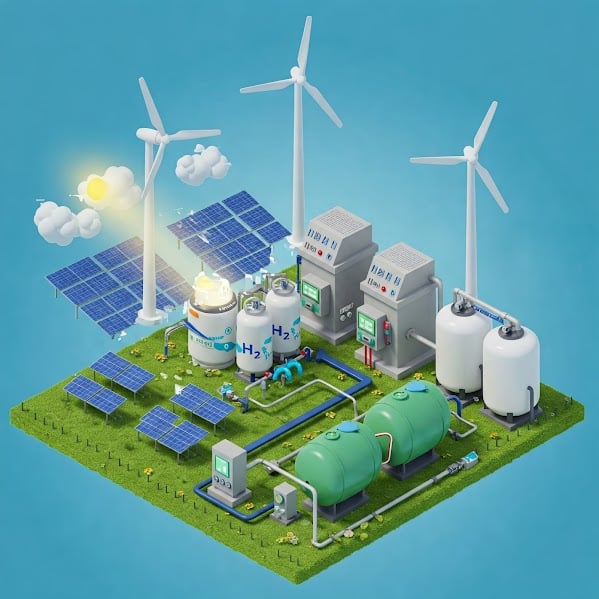
Renewable energy technologies refer to modern systems and methods used to harness energy from naturally replenishing sources. These technologies include solar power systems, wind turbines, hydropower plants, biomass conversion technologies, and geothermal energy systems. Solar energy technology captures sunlight using photovoltaic panels or solar thermal systems to generate electricity or heat. Wind energy technology uses turbines to convert wind movement into electrical power, while hydropower technology relies on flowing or falling water to generate electricity. Biomass technology converts organic materials such as agricultural waste and animal residues into energy, and geothermal technology taps heat from beneath the Earth’s surface for power generation and heating.
One of the most significant contributions of renewable energy technologies to sustainable development is environmental sustainability. Unlike fossil fuel technologies, renewable energy systems produce little or no greenhouse gas emissions during operation. This helps reduce global warming and mitigates the effects of climate change. Additionally, renewable technologies minimize air and water pollution, protect biodiversity, and reduce land degradation. By lowering environmental risks, renewable energy technologies support the long-term health of ecosystems and human populations.
Economically, renewable energy technologies promote sustainable growth by creating employment opportunities and stimulating innovation. The development, installation, and maintenance of renewable energy systems require skilled labor, thereby generating jobs across various sectors. Furthermore, as renewable technologies advance, their costs continue to decline, making them more competitive with conventional energy sources. Countries that invest in renewable energy technologies also benefit from increased energy security, as they reduce dependence on imported fossil fuels and protect their economies from volatile global energy prices.
Renewable energy technologies also enhance social development by improving access to reliable and affordable energy. In many developing countries, large segments of the population still lack access to electricity, particularly in rural and remote areas. Renewable technologies such as solar home systems and mini-grids offer practical solutions for electrifying these communities. Access to energy improves education by enabling lighting and digital learning, strengthens healthcare through powered medical equipment, and supports small businesses, thereby reducing poverty and inequality.
Despite their numerous advantages, renewable energy technologies face certain challenges. High initial capital costs, technical limitations, insufficient infrastructure, and lack of supportive policies can hinder widespread adoption. Some renewable sources, such as solar and wind, are also intermittent in nature. However, continuous advancements in energy storage technologies, smart grids, and policy frameworks are addressing these challenges and improving the efficiency and reliability of renewable energy systems.
In conclusion, renewable energy technologies are essential for achieving sustainable development in the modern world. They provide environmentally friendly solutions to energy production, drive economic growth through job creation and innovation, and promote social inclusion by expanding energy access. As nations strive to meet global development and climate goals, the adoption and expansion of renewable energy technologies remain a critical step toward building a sustainable, resilient, and prosperous future for all.