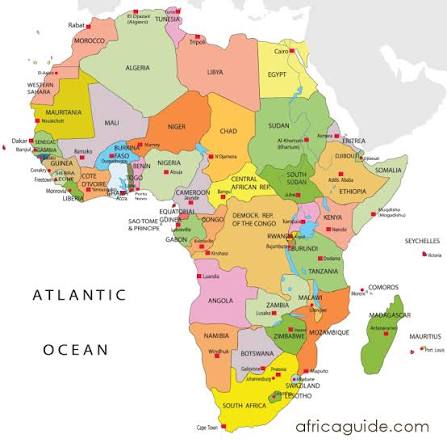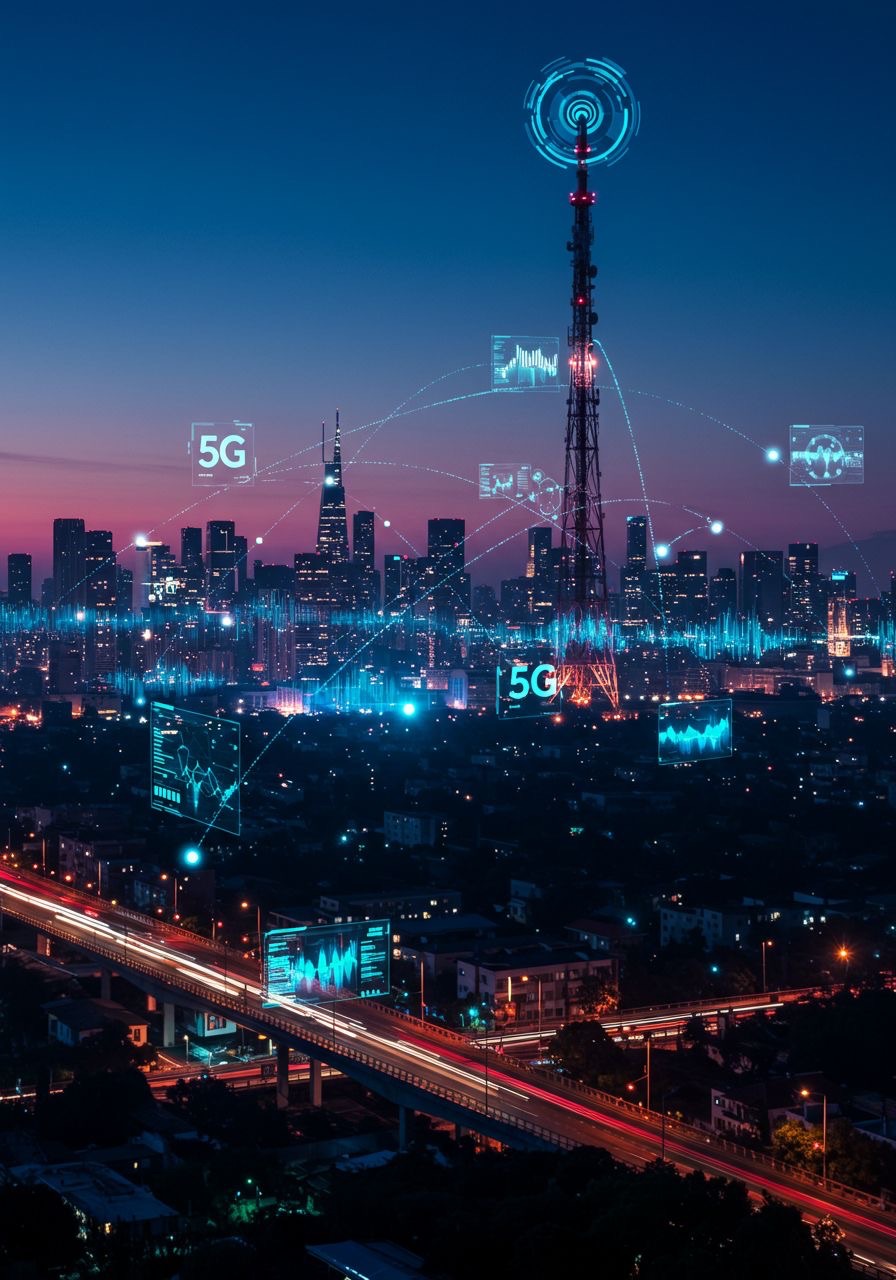
Nigeria is taking significant steps toward strengthening its digital economy with the continued expansion of its fifth-generation (5G) network across major cities in the country. The move is part of a broader national strategy to improve connectivity, drive technological innovation, and support economic growth in the digital age.
The Nigerian Communications Commission (NCC) has confirmed that telecommunications providers are steadily increasing 5G infrastructure deployment in urban and selected semi-urban areas. Since the commercial launch of 5G services, network providers have invested heavily in base stations, fibre-optic expansion, and upgraded transmission equipment to ensure faster and more reliable internet services.
Unlike previous generations of mobile networks, 5G technology offers ultra-fast data speeds, reduced latency, and higher capacity. Experts explain that 5G can deliver speeds up to ten times faster than 4G, allowing users to download high-definition movies in seconds and participate in uninterrupted virtual meetings. The lower latency also makes it suitable for real-time applications such as telemedicine, online gaming, and remote-controlled systems.
Industry analysts say the expansion of 5G is expected to positively impact key sectors of the Nigerian economy. In education, it can improve access to virtual classrooms and digital learning tools, particularly for universities adopting hybrid learning models. In healthcare, telemedicine services can become more efficient, enabling doctors to consult with patients remotely and monitor health conditions using smart devices.
The financial technology (fintech) sector, one of Nigeria’s fastest-growing industries, is also projected to benefit. Faster connectivity supports secure digital transactions, mobile banking, and innovative payment solutions. Similarly, small and medium-scale enterprises (SMEs) can leverage improved internet access to expand their online presence and reach wider markets.
Technology experts also highlight that 5G will support emerging innovations such as Artificial Intelligence (AI), the Internet of Things (IoT), smart agriculture, and smart city development. With improved connectivity, devices such as smart meters, surveillance systems, and automated transport systems can function more efficiently.
Despite these promising developments, challenges remain. The high cost of deploying 5G infrastructure, limited coverage in rural communities, and the affordability of 5G-compatible smartphones continue to restrict widespread adoption. Some stakeholders have called on the government to provide supportive policies and incentives that will encourage further investment and ensure inclusive access.
There have also been concerns among some members of the public regarding health and environmental implications of 5G technology. However, regulatory authorities maintain that the technology complies with international safety standards and poses no proven health risks when properly regulated.
As Nigeria continues to expand its 5G footprint, experts believe the technology will play a critical role in achieving the country’s digital transformation goals. Increased connectivity is expected to enhance productivity, stimulate innovation, and position Nigeria as a competitive player in the global digital economy.
With continued collaboration between government agencies, private sector stakeholders, and technology providers, the future of Nigeria’s digital landscape appears increasingly connected and innovation-driven.