
The Rising Cost of Living: How Nigerian Students Are Struggling to Survive
By: Kolawole oyinkansola Esther
Introduction:
For many Nigerian students, going to school is no longer just about attending lectures and passing examinations. It has become a daily struggle to survive. The continuous rise in the prices of food, transportation, accommodation, textbooks, and other essential needs has placed enormous pressure on students. Many now skip meals, walk long distances to classes, and take on part-time jobs just to make ends meet.
The rising cost of living has become one of the biggest challenges facing students in higher institutions across the country. While education remains a pathway to a better future, the financial burden associated with acquiring it continues to grow. This report examines how students are coping with the increasing cost of living and what can be done to ease the situation.
Insert Photograph 1 here
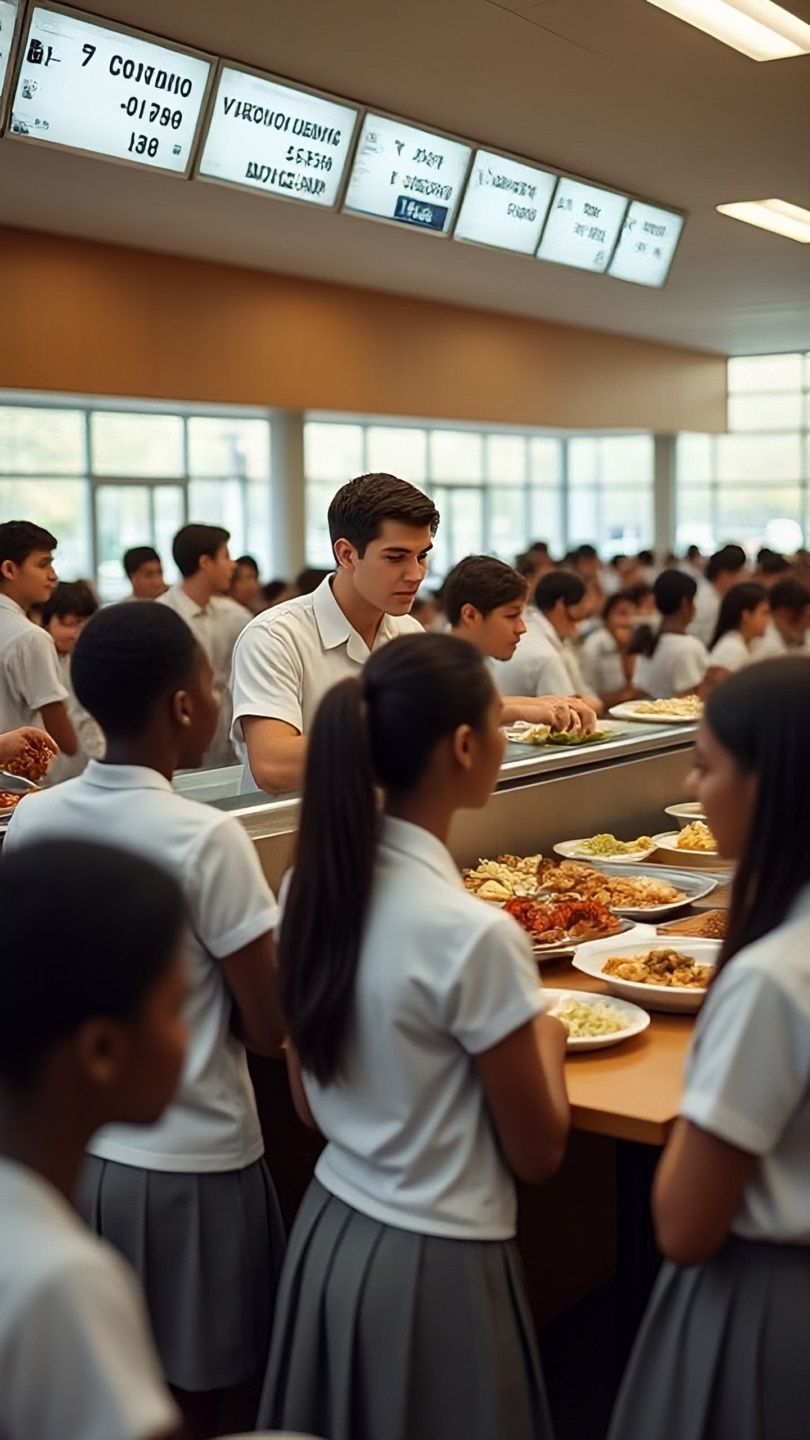
Students buying food at the campus cafeteria as food prices continue to rise.
The Reality on Campus
A visit to many campuses reveals the difficult reality students face every day. Prices of meals sold at cafeterias have increased significantly. Foods that were once affordable now cost much more, making it difficult for students to eat balanced meals regularly.
Transportation has also become more expensive. Students who live off campus often spend a considerable part of their daily allowance on transport. As a result, many choose to walk long distances to attend lectures instead of paying transport fares.
The cost of academic materials has also risen. Printing assignments, buying textbooks, subscribing to internet services, and purchasing writing materials now require more money than before. These expenses have made learning more difficult for students from low-income families.
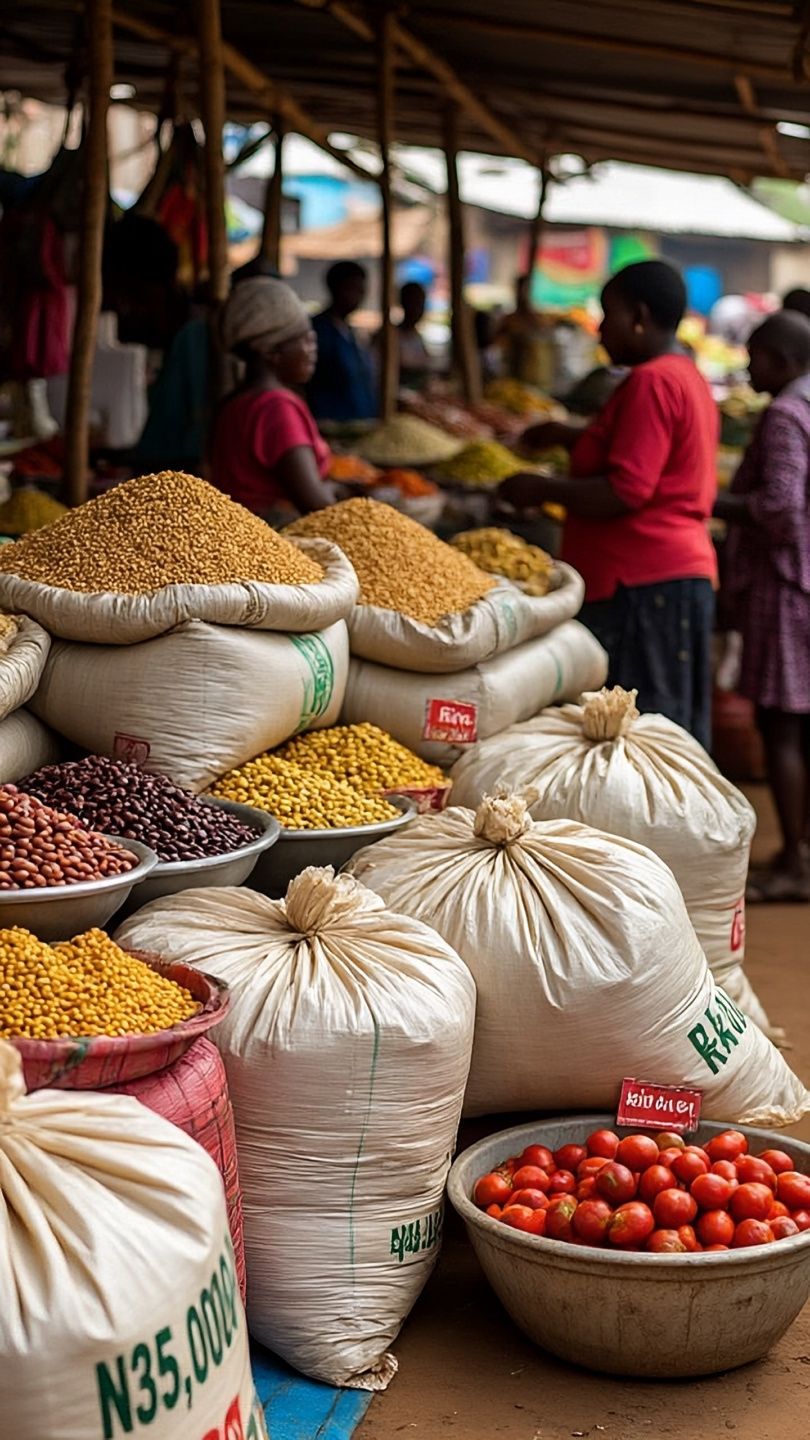
Food items displayed in a local market with increased prices.
Students Speak Out
Many students say they have been forced to change their lifestyles because of the economic situation.
"I used to eat three times a day, but now I sometimes eat only once because food is expensive," said a student during an interview.
Another student explained, "Instead of taking a bus to school every morning, I walk to save money. It is stressful, but I have no choice."
Some students have started small businesses such as selling snacks, clothes, or providing online services to earn extra income. Others engage in tutoring or freelance work to support themselves.
Despite these efforts, many still find it difficult to balance academic activities with the need to earn money.

A student studying in the library despite financial challenges.
Effects on Academic Performance
Financial hardship affects students in many ways. Hunger and stress reduce concentration during lectures and examinations. Some students are unable to buy recommended textbooks or pay for internet subscriptions needed for research and assignments.
Others miss lectures because they cannot afford transportation or are busy working to earn income. These challenges can lead to poor academic performance and, in some cases, students dropping out of school.
Mental health is another concern. Constant worry about finances can cause anxiety, depression, and emotional stress, making it harder for students to perform at their best.
How Students Are Coping
In response to these challenges, students have developed different coping strategies. Some prepare their own meals instead of buying food daily. Others share accommodation to reduce rent and utility costs.
Many students now create strict budgets and avoid unnecessary spending. Some rely on scholarships, financial assistance from relatives, or support from religious and community organizations.
Technology has also created opportunities for students to earn income through online businesses, content creation, graphic design, writing, and digital marketing. Although these activities provide some relief, they do not completely solve the financial challenges many students face.
Possible Solutions
Education should remain accessible regardless of a student's financial background. Government agencies can help by expanding scholarship programmes, increasing student financial aid, and improving public transportation around campuses.
Higher institutions can also support students by providing affordable accommodation, reducing unnecessary charges, and creating more work-study opportunities.
Parents, alumni associations, corporate organizations, and non-governmental organizations can contribute by supporting indigent students through bursaries, grants, and educational sponsorships.
Students themselves should continue to develop good financial management skills and explore legitimate opportunities to earn extra income without neglecting their studies.
Conclusion
The rising cost of living has become a serious challenge for students in Nigeria. From feeding and transportation to accommodation and learning materials, the increasing cost of basic necessities has made university life more difficult than ever.
Despite these hardships, many students continue to show determination and resilience in pursuing their education. However, lasting solutions require the combined efforts of the government, educational institutions, families, and society.
Investing in students today is an investment in the nation's future. Reducing the financial burden on students will not only improve their academic performance but also help produce graduates who can contribute meaningfully to national development.