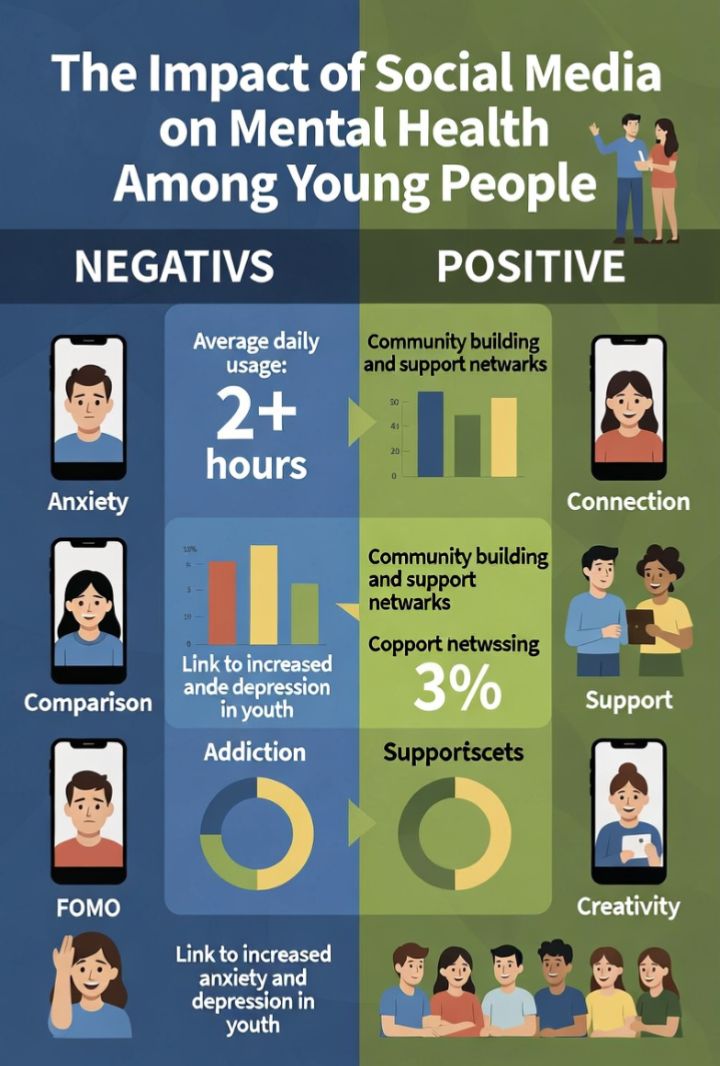
The Impact of Social Media on Mental Health Among Young People
Course Code: MCOM 110
Course Title: Computer For Mass Communication
Introduction
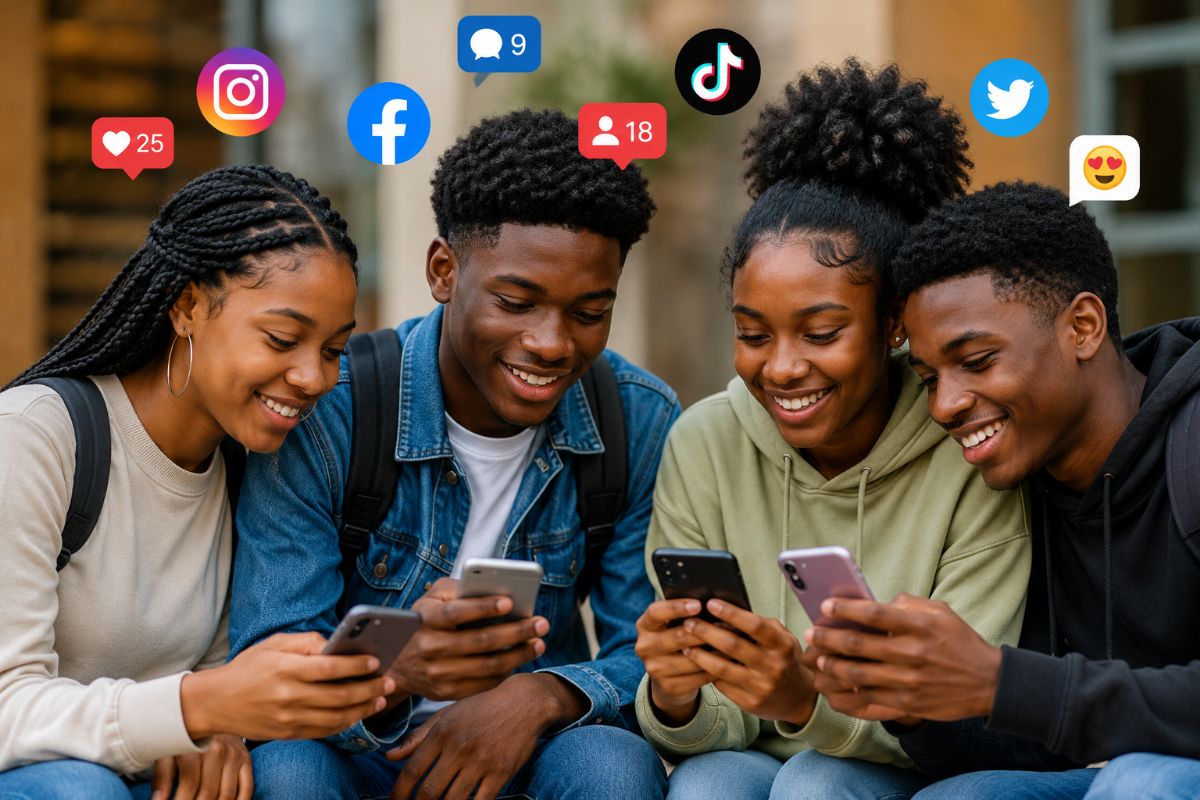
Social media has become an essential part of modern life. Platforms such as Facebook, Instagram, TikTok, X (formerly Twitter), Snapchat, and WhatsApp allow people to communicate, learn, share ideas, and connect with others across the world. Young people, in particular, spend a significant amount of time on these platforms every day. While social media has made communication easier and created many opportunities, it has also raised concerns about its effect on mental health.
Mental health is just as important as physical health because it affects how people think, feel, and behave. The increasing use of social media has brought both positive and negative effects on the emotional well-being of young people. This article examines these effects and suggests ways to promote healthier social media habits.
Understanding Mental Health
Mental health refers to a person's emotional, psychological, and social well-being. It influences how people cope with stress, make decisions, build relationships, and handle challenges in everyday life.
Good mental health enables students to concentrate on their studies, interact positively with others, and achieve their goals. Poor mental health, however, can lead to anxiety, depression, loneliness, and difficulty performing daily activities. As social media becomes more influential, it is important to understand how it affects mental health, especially among young people.
Positive Effects of Social Media
Despite its challenges, social media has many benefits when used responsibly.
Firstly, it provides access to educational resources. Students can watch tutorials, attend online classes, participate in discussions, and gain knowledge from experts worldwide.
Secondly, social media helps people stay connected with family and friends regardless of distance. It strengthens relationships and allows instant communication.
Another benefit is business and entrepreneurship. Many young Nigerians use social media to advertise products, promote services, and build successful businesses. Digital marketing has become an important source of income for many youths.

Social media also creates awareness about important issues such as health, education, environmental protection, and human rights. During emergencies, information can spread quickly, helping people stay informed and safe.
Negative Effects of Social Media
Although social media offers many advantages, excessive use can negatively affect mental health.
One major problem is cyberbullying. Some users insult, threaten, or embarrass others online. Victims often experience sadness, fear, anxiety, and low self-esteem. In severe cases, cyberbullying can affect academic performance and personal relationships.
Another issue is unhealthy comparison. Many people post only the happiest and most successful moments of their lives. Young people may compare themselves with these unrealistic images and begin to feel inadequate or dissatisfied with their own lives.
Social media addiction is another growing concern. Spending many hours scrolling through posts can reduce productivity, interfere with studies, and limit face-to-face interactions with family and friends. Many students also lose valuable sleep because they stay awake using their phones late into the night.

The Current Situation
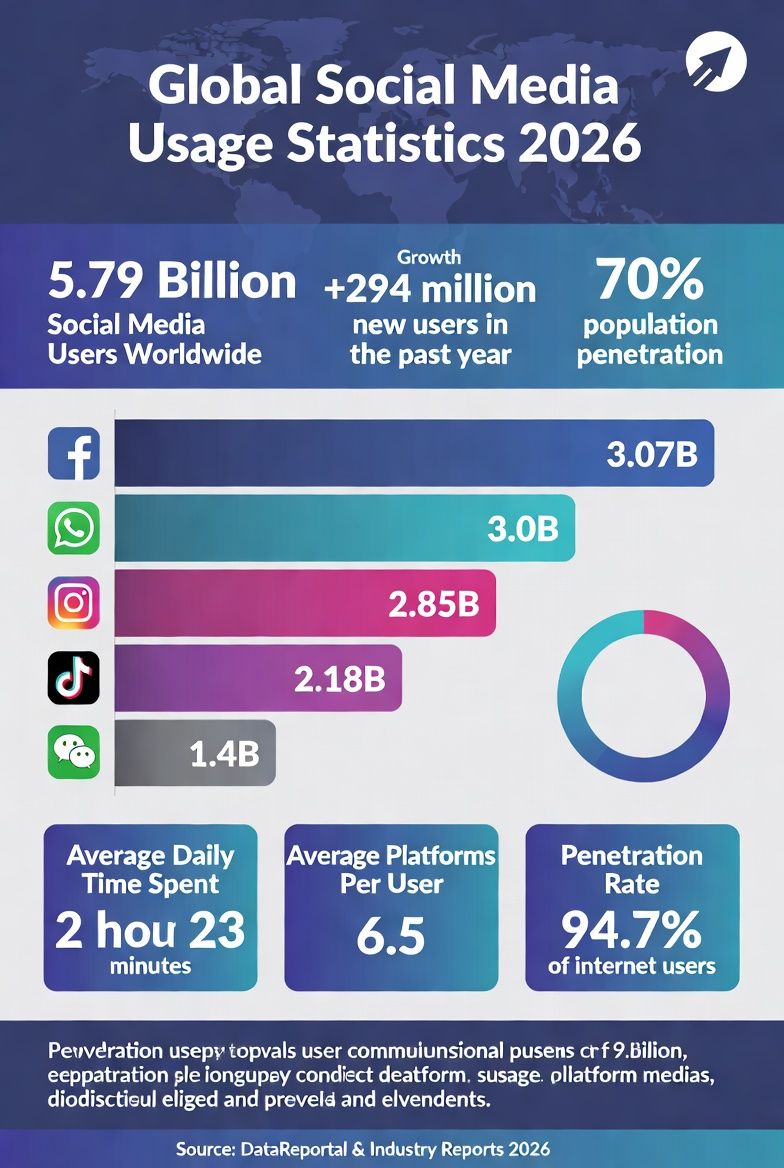
Today, social media has become one of the most widely used communication tools in the world. Many young people spend several hours online every day for entertainment, communication, and information.
Experts have observed that excessive screen time may increase stress, anxiety, and feelings of loneliness, especially when users depend heavily on online validation through likes, comments, and followers. This does not mean social media is harmful by itself. Instead, the way people use it determines whether it becomes helpful or harmful.
How Young People Can Use Social Media Responsibly
Young people can enjoy the benefits of social media while protecting their mental health by adopting healthy digital habits.
One important step is setting daily screen-time limits. Reducing unnecessary scrolling allows more time for studying, exercising, resting, and spending time with loved ones.
Secondly, users should follow positive and educational content instead of accounts that promote negativity or unrealistic lifestyles.
Taking regular breaks from social media can also improve concentration and emotional well-being. Spending time outdoors, reading books, engaging in sports, or developing new skills can provide a healthier balance.
Young people should also remember that not everything posted online reflects reality. Many images are edited or carefully selected to present an ideal lifestyle.
Finally, anyone experiencing anxiety, depression, or emotional distress should seek support from trusted family members, friends, teachers, counselors, or healthcare professionals instead of suffering in silence.

Conclusion
Social media has transformed communication, education, and business opportunities for young people. It provides valuable access to information, strengthens relationships, and creates economic opportunities. However, excessive or unhealthy use can contribute to cyberbullying, anxiety, poor self-esteem, addiction, a