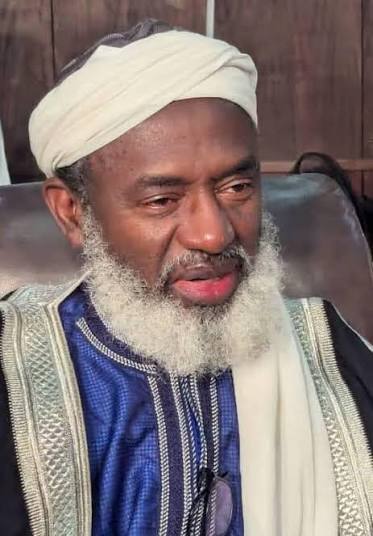
On December 24, 2023, the United States conducted a military strike targeting alleged ISIS camps in North West Nigeria. This action has generated significant public discourse, particularly following statements from Sheik Ahmad Gumi, a prominent Islamic cleric known for his commentary on security and religious matters.
Sheik Gumi publicly criticized the US intervention, labeling it as both hazardous and ineffective for Nigeria’s counterterrorism efforts. He asserted that the responsibility for addressing terrorist threats within Nigeria should remain with Nigerian authorities, or, if external assistance is required, with countries he described as “neutral,” such as China, Turkey, or Pakistan. Gumi referenced the US’s historical record of military interventions and associated civilian casualties as evidence that the US is not an appropriate partner for Nigeria in security operations.
Gumi’s argument is based on the premise that counterterrorism operations should be conducted by local or neutral actors to avoid exacerbating existing tensions. He cited Islamic teachings to support the obligation to combat terrorism but emphasized that such actions should not be undertaken by parties with a history of civilian harm, referencing the US’s past military actions.
He also questioned the operational effectiveness of airstrikes, stating that limited bombing campaigns are insufficient to address the root causes and operational capabilities of terrorist groups. Gumi advocated for a comprehensive ground-based approach, suggesting that the Nigerian military possesses the necessary manpower if adequately supported and resourced.
Gumi raised concerns about the potential for US involvement to attract anti-US elements to Nigeria, thereby increasing the risk of the country becoming a site of proxy conflict. He further argued that the US justification for the strike,protecting Christians from genocide,could intensify religious polarization and undermine Nigerian sovereignty.
He called for the Nigerian government to cease all military cooperation with the US, characterizing American foreign policy as motivated by imperial interests. Gumi also questioned the selection of Sokoto as the target, noting its predominantly Muslim population and the absence of recent terrorist activity, while the North East, particularly Maiduguri, remains the primary area of insurgent operations. He suggested that the timing and location of the strike could be interpreted as symbolic and provocative.
Gumi encouraged affected communities to document any civilian casualties resulting from the strike and urged Nigerians to critically assess foreign military interventions. He predicted that foreign involvement in security matters would become a significant issue in upcoming political campaigns, reflecting broader concerns about national sovereignty and the intentions of international actors.
In summary, Gumi’s statements have contributed to ongoing debates regarding the optimal strategy for counterterrorism in Nigeria, the appropriate role of foreign powers, and the balance between international assistance and national autonomy. The US strike and subsequent reactions highlight the complexities inherent in addressing security threats within a context of diverse political, religious, and international interests.