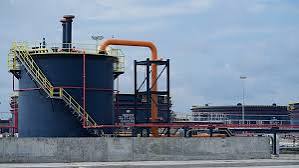
Oil-producing African nations used a landmark fossil fuel transition conference in Santa Marta, Colombia, to insist they will continue drilling for oil and gas, arguing that economic survival and social stability depend on it.
Delegates from nearly 60 countries gathered in the Caribbean coastal city for the first global meeting dedicated to moving the world away from oil, gas and coal. The talks unfolded against a backdrop of surging crude prices and renewed anxiety over energy security, underscoring how geopolitical shocks can complicate climate ambitions.
For African producers, the stakes are particularly high. Many rely on hydrocarbons for export earnings, public budgets and jobs, even as they face mounting pressure to align with global climate goals.
“Not phasing out, phase down. That is the message,” said Onuoha Magnus Chidi, an adviser to Nigeria’s regional development minister. He argued that any transition must be gradual and carefully planned to avoid economic dislocation. “People are going to lose their jobs. How are you trying to re-engage them in other sectors?” he asked, calling for debt reform and substantial financial support from wealthier nations.
Nigeria, Africa’s most populous country and one of its largest oil and gas holders, illustrates the dilemma: it is highly vulnerable to climate impacts yet deeply dependent on fossil fuel revenues. Officials say an abrupt halt to drilling would threaten development gains and strain already fragile public services.
Senegal delivered a similar message. The West African state has only recently begun to tap major offshore oil and gas reserves and sees them as a springboard for industrialization. “We are fully aware of the global challenges that require a transition,” said Serigne Momar Sarr, a technical adviser at Senegal’s environment ministry. “What we wish to assert is our right to development, exercised with full responsibility.”
Sarr stressed that Africa contributes only a small share of global greenhouse gas emissions and outlined a strategy in which Senegal uses gas for power, industry and exports while progressively expanding cleaner energy. “We are making this transition at the same time as our extractive activities,” he said.
The Santa Marta conference was convened amid frustration over stalled United Nations climate negotiations, where efforts to directly confront fossil fuel production have repeatedly faltered. Major producers such as the United States, China, Saudi Arabia and Russia stayed away, as did Gulf oil states, limiting the scope for sweeping commitments.
Organizers nonetheless hope the meeting will yield practical proposals for countries willing to manage a controlled decline in fossil fuel use. “Each economy has different circumstances,” said Spain’s climate minister, Sara Aagesen, emphasizing that any global deal must account for the development needs of poorer nations as well as the urgency of cutting emissions.