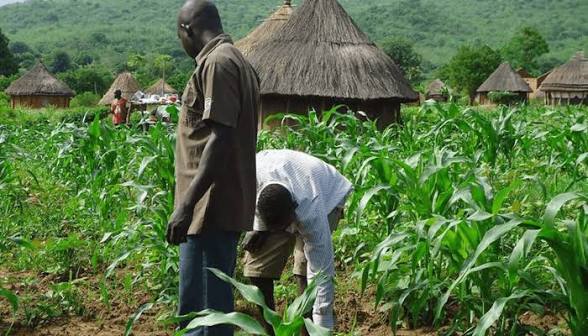
Farmers across Nigeria have been urged to brace for episodes of heavy rainfall while resisting the temptation to rush into full-scale planting, despite showers already recorded in several parts of the country.
The warning comes from the Founder of Global Initiative for Nigeria Development, Micheal Ale, who cautioned that the recent rains may be misleading and do not yet signal the onset of a stable rainy season required for successful crop production.
Ale explained that the pattern of rainfall observed so far suggests irregular and potentially disruptive weather, rather than the consistent moisture farmers need for germination and growth. According to him, early showers could be followed by prolonged dry spells, exposing newly planted crops to heat stress and possible failure.
His advice aligns with guidance from the Nigerian Meteorological Agency and federal authorities, which have previously described the early rains as “deceptive” and warned that they should not be mistaken for the official start of the planting season. Such false starts, experts say, can lead to wasted seeds, higher production costs and lower yields.
Ale linked the unstable rainfall pattern to wider climate variability and global disruptions, noting that changing weather systems are increasingly undermining traditional knowledge about when to plant. He stressed that farmers who rely solely on historical planting dates now face greater risk if they ignore scientific forecasts.
He highlighted that smallholder farmers, particularly women and those in remote rural communities, are the most exposed to these shifts. Erratic rainfall, he said, can limit access to farmlands, damage infrastructure, reduce harvests and deepen existing food security challenges across the country.
To reduce losses, Ale urged farmers to adopt climate-smart strategies such as delaying planting until forecasts confirm more stable rainfall, planning for supplementary irrigation where possible and closely tracking official weather updates. He also encouraged farmer groups and cooperatives to share information and coordinate planting decisions.
Ale called on the Federal Government and relevant agencies to strengthen early warning systems, extension services and agricultural advisories so that farmers receive timely, practical guidance. Failure to act proactively, he warned, could result in lower national output and rising food prices as weather shocks ripple through the entire food chain.
He emphasised that the key issue is not just the presence of rain, but its reliability over time, insisting that only consistent rainfall will support the productivity needed to stabilise Nigeria’s food supply.