Accidents and medical emergencies can occur suddenly in everyday life. People may experience burns, cuts, fainting, choking, or injuries at home, school, or on the road. In many of these situations, professional medical help may not arrive immediately. This makes first aid extremely important because it provides the initial care given to an injured or ill person before trained medical professionals take over.
First aid is not just a practical skill but also a direct application of medical science. Research in health and emergency medicine shows that the first few minutes after an injury or sudden illness are often the most critical. Immediate and correct actions during this time can stabilize a victim, prevent their condition from worsening, and sometimes even save their life.
Furthermore, First aid refers to the basic medical care given immediately after an injury or sudden illness. The purpose of first aid is to support the victim until professional healthcare providers arrive. It focuses on three main goals: preserving life, preventing further harm, and promoting recovery.
The techniques used in first aid are based on scientific research conducted by healthcare professionals and medical experts.
The Importance of First Aid Knowledge
First aid plays a significant role in protecting lives and reducing the seriousness of injuries. One of its most important benefits is that it helps save lives. During severe emergencies like accidents or sudden illnesses, the immediate actions taken by nearby individuals can determine whether a person survives.
Another key advantage of first aid is that it prevents injuries from becoming worse. Conditions such as cuts, burns, fractures, or bleeding can quickly deteriorate if they are not handled properly. Prompt treatment helps control the injury and reduces the risk of further complications.
First aid also improves the chances of faster recovery. When injuries receive early care, complications are less likely to occur. Proper treatment helps protect the injured area, minimize infection, and support healing.
Beyond the medical benefits, first aid encourages a culture of responsibility and care within communities. People who understand first aid feel more confident assisting others during emergencies.
Basic First Aid Techniques
Several simple first aid techniques can help people manage common emergencies effectively while waiting for professional help.
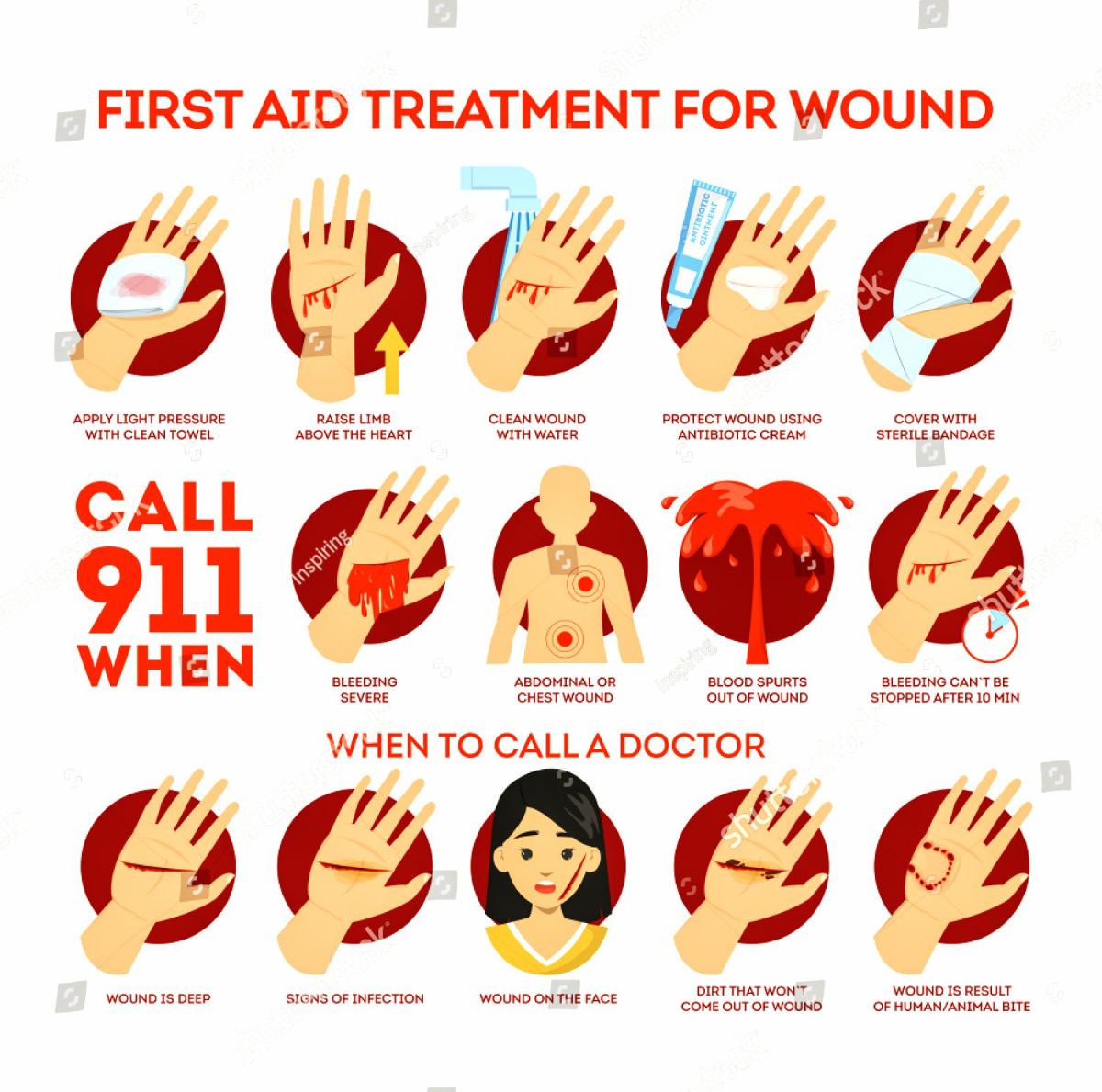
One important skill involves treating bleeding. Cuts and wounds frequently occur during accidents. When someone is bleeding, the first step is to stop the blood flow by applying firm pressure to the wound using a clean cloth, bandage, or dressing. Raising the injured area above the level of the heart may also help reduce blood flow and control bleeding.
Another common emergency involves burns. Burns can be caused by fire, hot liquids, electricity, or chemicals. The recommended response is to cool the burned area under clean running water for several minutes. Cooling the burn helps relieve pain and prevents the injury from becoming deeper. However, ice should not be applied directly to burns because it can further damage the skin.
Fainting is another situation where first aid can help. Fainting occurs when the brain temporarily receives less blood flow. When someone faints, the correct response is to help them lie down safely. Slightly raising the person’s legs helps improve blood circulation to the brain and may help them regain consciousness more quickly.
Choking is one of the most serious emergencies because it can block a person’s airway and prevent breathing. If a choking person is still able to cough, they should be encouraged to continue coughing, as this may naturally remove the blockage. If the airway remains obstructed, a lifesaving technique known as the Heimlich maneuver can be performed to force air from the lungs and push the object out of the airway.
The Role of Technology in First Aid
Another point worth noting is the importance of technology in facilitating First aid treatments. Advancements in science and technology have greatly improved first aid and emergency response systems. Modern tools and devices now help people provide faster and more effective care during emergencies.
Mobile technology has also made first aid information more accessible. Many smartphone applications now provide step-by-step guidance for handling emergencies. These apps help users stay calm while performing lifesaving procedures and offer instructions for situations such as choking, bleeding, or performing CPR.
Conclusion
Despite its importance, many people still lack basic first aid knowledge. Increasing public awareness and access to training programs is therefore essential for building safer communities.
Schools can play a vital role by including first aid training in their educational programs. Teaching students these skills helps prepare young people to respond responsibly during emergencies.
First aid is one of the most practical and valuable applications of medical science in everyday life. It equips ordinary people with the knowledge and skills needed to respond effectively during emergencies. By preserving life, preventing further harm, and supporting recovery, first aid plays a crucial role in saving lives.