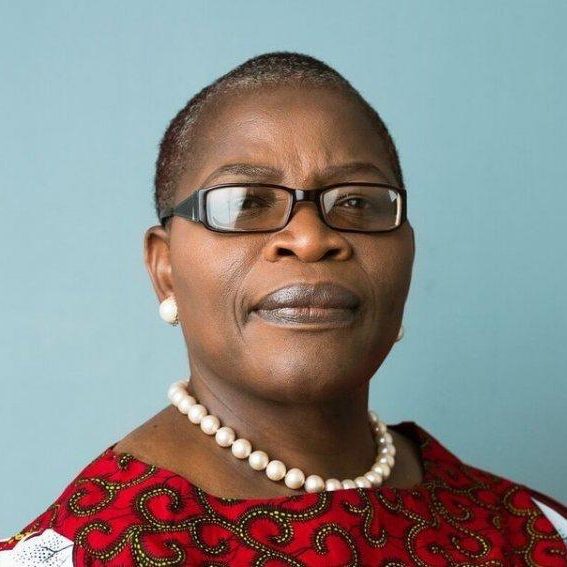
Oby Ezekwesili, a former Minister of Education and co-convener of the Bring Back Our Girls Movement, has publicly condemned the alarming rise of insecurity in Nigeria, particularly the troubling frequency of schoolchildren abductions. She points her finger at what she describes as “cancerous, systemic corruption,” which she believes has crippled the nation’s institutions and their ability to protect citizens.
In her recent social media post, Ezekwesili made it clear that her frustration stems from a perceived erosion of fundamental values in Nigeria, attributing this decline to rampant corruption. “The military and judiciary have become terribly compromised and incapable of delivering on their mandate,” she wrote, drawing a stark picture of the current state of governance.
The statistics she cited from UNICEF and Save the Children are shocking: over 1,680 students were abducted in 70 separate incidents from 2014 to 2022, with an additional 816 taken in 22 attacks since the beginning of 2023. These figures resonate with families and communities, highlighting a crisis that feels all too close to home.
Ezekwesili insists that the current state of affairs is not just an unfortunate cycle of violence but a failure of governance. She argues that the ongoing kidnappings are indicative of a systemic breakdown. “What we have is deliberate negligence, and that negligence is a crime,” she said, demanding accountability from those in power.
As Ezekwesili concluded her remarks, she warned that any government that fails to act on these issues “accepts that it governs without legitimacy.” This assertion has found traction with those who still believe in the power of accountability and reform.
In this tense atmosphere, the urgency for a decisive response to the ongoing insecurity crisis is palpable. The safety of children, Ezekwesili argues, should be a primary concern, and many citizens agree, yet the path forward remains clouded by doubt and disillusionment.