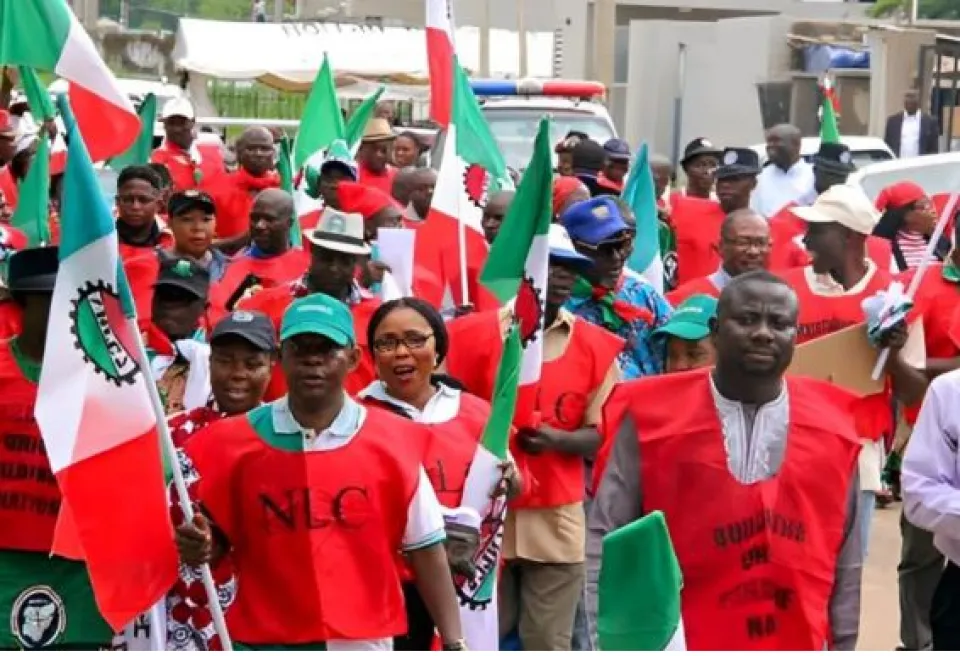
The nationwide strike initiated by the Nigeria Labour Congress (NLC) and the Trade Union Congress (TUC) has significantly disrupted economic activities across Nigeria. The industrial action, spurred by the hike in electricity tariffs and unresolved negotiations for a new minimum wage, commenced despite last-minute interventions by the National Assembly that ended in a stalemate.
Key Highlights of the Strike
Port Harcourt:
- Airport Access Blocked: At the Port Harcourt Airport, members of the Association of Nigerian Aviation Professionals (ANAP) and the National Union of Air Transport Employees (NUATE) blocked vehicle access, forcing passengers to walk into the airport. Flights have not been disrupted, but check-in and boarding activities are halted.
Kaduna:
- Educational Institutions: Union officials locked out students from the Kaduna Polytechnic, leading to concerns about academic disruptions.
- Healthcare and Government Offices: The National Ear Care Centre and the State Secretariat, housing several ministries, were sealed off by labor officials, preventing workers and patients from accessing these facilities.
- Financial Institutions: Bank operations were disrupted as staff were barred from entering their offices.
- Electricity: Operations at the Kaduna Electricity Distribution Company (KAEDCO) were shut down by the National Union of Electricity Employees (NUEE).
Edo and Imo States:
- Government Offices: Civil servants were locked out of state secretariats in Benin City and Owerri, complying with the strike despite recent minimum wage increases in some states.
Lagos:
- Commercial Hub Disruption: Government offices in Alausa were closed, leading to an unusually quiet Monday morning with less busy roads. The NLC ensured strict compliance with the strike directive.
Ogun, Oyo, and Cross River:
- Federal Secretariats and Schools: The Federal Secretariat in Abeokuta was locked, and public schools in Ibadan and Cross River did not operate. Compliance was observed across various sectors, including fuel stations and banks.
Union Leaders' Stance
Union leaders across different states have expressed their determination to continue the strike until the federal government addresses their demands. They argue that the government's actions have not been realistic, particularly regarding workers' welfare amid rising living costs.
Impact and Public Reaction
The strike has led to widespread inconvenience, with many citizens, including students and patients, being significantly affected. While some support the unions' stance, others call for a return to negotiations to prevent further disruption to daily life and the economy.
The nationwide strike underscores the urgent need for the Nigerian government and labor unions to reach a consensus on the contentious issues of electricity tariffs and minimum wage. The ongoing disruption highlights the critical role of effective dialogue in resolving labor disputes and maintaining economic stability
Source: Channels tv