Fear is tightening its grip on the town of Rwampara in eastern Democratic Republic of Congo as health officials confirm a new Ebola outbreak in Ituri province, already scarred by years of conflict and displacement.
Rwampara is one of two health zones at the epicentre of the latest flare-up, with dozens of deaths and hundreds of suspected infections reported by local and international health agencies. The mounting toll has left residents terrified of even the most ordinary symptoms.
“What is happening is that if someone has a headache, a fever or a stomach ache, they die after a while,” said motorbike taxi driver John Kisembo, describing how a young man in his twenties arrived in the village one day and was dead the next. “People are very afraid.”
Community practices around death and burial are compounding the danger. Rwampara resident Salama Bamunoba said the disease is spreading fastest among the young, who shoulder the burden of funerals.
“When someone dies, it is the young people who dig the graves and carry the body with their bare hands, without gloves or masks, and this leads to the spread of this disease,” he said. If one person in a household falls ill, he added, “they take the whole family with them.”
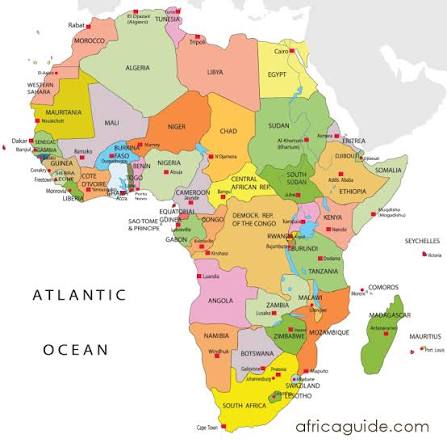
Ituri borders both South Sudan and Uganda, and the Africa Centres for Disease Control and Prevention has warned of a high risk of regional spread, citing intense cross-border movement driven by mining and trade. Uganda’s health ministry has already reported the death in Kampala of a Congolese man infected with the Bundibugyo strain of Ebola, though authorities there say the case was imported and no local transmission has been detected.
Africa CDC has called for urgent coordination between DR Congo, Uganda and South Sudan, alongside global partners, to strengthen surveillance, share data and prepare treatment centres along key border routes.
The outbreak is unfolding amid a worsening security crisis in Ituri, where clashes between rival militias have killed civilians and hampered access for health workers. The World Health Organization describes the region as highly volatile, with humanitarian needs and population movements that make containment far more difficult.
Preliminary analysis suggests the circulation of a non-Zaire strain of Ebola, complicating the response because most licensed vaccines and treatments target the Zaire variant. This is the 17th recorded Ebola outbreak in DR Congo since the virus was first identified there, part of a disease history that has claimed an estimated 15,000 lives across Africa.